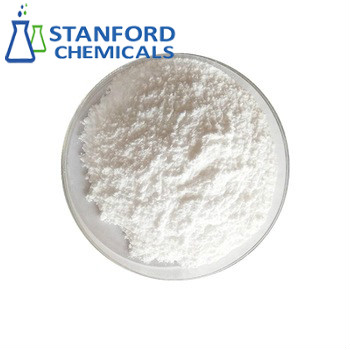
(Discontinued) Bacillus thuringiensis kurstaki

About This Item

Catalog No.
010-000-561

Discontinued

Bacillus thuringiensis kurstaki (Btk) is a group of bacteria used as biological control agents against lepidopterans. Btk, along with other B. thuringiensis products, is one of the most widely used biological pesticides due to its high specificity; it is effective against lepidopterans, and it has little to no effect on nontarget species.

Quantity

kg

Technical Service

Need help? Our team of experienced scientists is here for you.

Description

What is Bacillus thuringiensis kurstaki


Bacillus thuringiensis kurstaki (Btk) is a group of bacteria used as biological control agents against lepidopterans. Btk, along with other B. thuringiensis products, is one of the most widely used biological pesticides due to its high specificity; it is effective against lepidopterans, and it has little to no effect on nontarget species. During sporulation, Btk produces a crystal protein that is lethal to lepidopteran larvae. Once ingested by the insect, the dissolution of the crystal allows the protoxin to be released. The toxin is then activated by the insect gut juice, and it begins to break down the gut.

Btk is available commercially and is commonly known as "Garden Dust" or "Caterpillar Killer", both of which are produced by Safer Brand. Other Btk-producing companies include Bonide and Monterey.


FAQs About Btk


Q1: Is Btk safe for humans and pets?
A1: Yes, Btk is considered safe for humans, pets, and beneficial insects. It specifically targets certain insect larvae and does not affect mammals, birds, or fish. Q2: Can Btk be used in organic farming?
A2: Yes, Btk is commonly used in organic farming as it is a natural and environmentally friendly pest control method. Q3: How quickly does Btk work?
A3: Btk starts to work within hours after ingestion by the larvae, causing them to stop feeding. Death usually occurs within a few days. Q4: Does Btk harm beneficial insects?
A4: Btk is specific to certain insect larvae, particularly those of the Lepidoptera order. It does not harm beneficial insects like bees, ladybugs, or predatory beetles. Q5: How often should Btk be applied?
A5: The frequency of application depends on the pest pressure and environmental conditions. Follow the product label for specific recommendations, but reapplication is often necessary every 7-10 days during active pest periods. Q6: Can Btk be used indoors?
A6: Btk is primarily used for outdoor pest control on plants and crops. For indoor use, such as in greenhouses, it can be applied with proper ventilation and safety measures.

Reviews

5 Stars
2
4 Stars
0
3 Stars
0
2 Stars
0
1 Stars
0
Write a review

Get a Quote

Send us an inquiry now to find out more information and the latest prices, thanks!
Product Name
Quantity
Name
Email
Phone
Company
Application
Country
United States
  • United States
  • Afghanistan
  • Aland Islands
  • Albania
  • Algeria
  • American Samoa
  • Andorra
  • Angola
  • Anguilla
  • Antarctica
  • Antigua and Barbuda
  • Argentina
  • Armenia
  • Aruba
  • Australia
  • Austria
  • Azerbaijan
  • Bahamas
  • Bahrain
  • Bangladesh
  • Barbados
  • Belarus
  • Belgium
  • Belize
  • Benin
  • Bermuda
  • Bhutan
  • Bolivia
  • Bosnia and Herzegovina
  • Botswana
  • Bouvet Island
  • Brazil
  • British Indian Ocean Territory
  • British Virgin Islands
  • Brunei
  • Bulgaria
  • Burkina Faso
  • Burundi
  • Cambodia
  • Cameroon
  • Canada
  • Cape Verde
  • Cayman Islands
  • Central African Republic
  • Chad
  • Chile
  • China
  • Christmas Island
  • Cocos (Keeling) Islands
  • Colombia
  • Comoros
  • Congo
  • Cook Islands
  • Costa Rica
  • Croatia
  • Cuba
  • Cyprus
  • Czech Republic
  • Democratic Republic of Congo
  • Denmark
  • Disputed Territory
  • Djibouti
  • Dominica
  • Dominican Republic
  • East Timor
  • Ecuador
  • Egypt
  • El Salvador
  • Equatorial Guinea
  • Eritrea
  • Estonia
  • Ethiopia
  • Falkland Islands
  • Faroe Islands
  • Federated States of Micronesia
  • Fiji
  • Finland
  • France
  • French Guyana
  • French Polynesia
  • French Southern Territories
  • Gabon
  • Gambia
  • Georgia
  • Germany
  • Ghana
  • Gibraltar
  • Greece
  • Greenland
  • Grenada
  • Guadeloupe
  • Guam
  • Guatemala
  • Guinea
  • Guinea-Bissau
  • Guyana
  • Haiti
  • Heard Island and Mcdonald Islands
  • Honduras
  • Hong Kong
  • Hungary
  • Iceland
  • India
  • Indonesia
  • Iran
  • Iraq
  • Iraq-Saudi Arabia Neutral Zone
  • Ireland
  • Israel
  • Italy
  • Ivory Coast
  • Jamaica
  • Japan
  • Jordan
  • Kazakhstan
  • Kenya
  • Kiribati
  • Kuwait
  • Kyrgyzstan
  • Laos
  • Latvia
  • Lebanon
  • Lesotho
  • Liberia
  • Libya
  • Liechtenstein
  • Lithuania
  • Luxembourg
  • Macau
  • Macedonia
  • Madagascar
  • Malawi
  • Malaysia
  • Maldives
  • Mali
  • Malta
  • Marshall Islands
  • Martinique
  • Mauritania
  • Mauritius
  • Mayotte
  • Mexico
  • Moldova
  • Monaco
  • Mongolia
  • Montenegro
  • Montserrat
  • Morocco
  • Mozambique
  • Myanmar
  • Namibia
  • Nauru
  • Nepal
  • Netherlands Antilles
  • Netherlands
  • New Caledonia
  • New Zealand
  • Nicaragua
  • Niger
  • Nigeria
  • Niue
  • Norfolk Island
  • North Korea
  • Northern Mariana Islands
  • Norway
  • Oman
  • Pakistan
  • Palau
  • Palestinian Territories
  • Panama
  • Papua New Guinea
  • Paraguay
  • Peru
  • Philippines
  • Pitcairn Islands
  • Poland
  • Portugal
  • Puerto Rico
  • Qatar
  • Reunion
  • Romania
  • Russia
  • Rwanda
  • Saint Helena and Dependencies
  • Saint Kitts and Nevis
  • Saint Lucia
  • Saint Pierre and Miquelon
  • Saint Vincent and the Grenadines
  • Samoa
  • San Marino
  • Sao Tome and Principe
  • Saudi Arabia
  • Senegal
  • Serbia
  • Seychelles
  • Sierra Leone
  • Singapore
  • Slovakia
  • Slovenia
  • Solomon Islands
  • Somalia
  • South Africa
  • South Georgia and South Sandwich Islands
  • South Korea
  • Spain
  • Spratly Islands
  • Sri Lanka
  • Sudan
  • Suriname
  • Svalbard and Jan Mayen
  • Swaziland
  • Sweden
  • Switzerland
  • Syria
  • Taiwan
  • Tajikistan
  • Tanzania
  • Thailand
  • Togo
  • Tokelau
  • Tonga
  • Trinidad and Tobago
  • Tunisia
  • Turkey
  • Turkmenistan
  • Turks And Caicos Islands
  • Tuvalu
  • US Virgin Islands
  • Uganda
  • Ukraine
  • United Arab Emirates
  • United Kingdom
  • United States
  • United States Minor Outlying Islands
  • Uruguay
  • Uzbekistan
  • Vanuatu
  • Vatican City
  • Venezuela
  • Vietnam
  • Wallis and Futuna
  • Western Sahara
  • Yemen
  • Zambia
  • Zimbabwe
Comments
I would like to join the mailing list to receive updates from Stanford Chemicals.
Check Code