
An actinic keratosis, also known as solar keratosis, is a small, thickened, scaly growth that develops on the skin. There’s rarely only one on the skin, so you’ll often see the plural “actinic keratoses”.
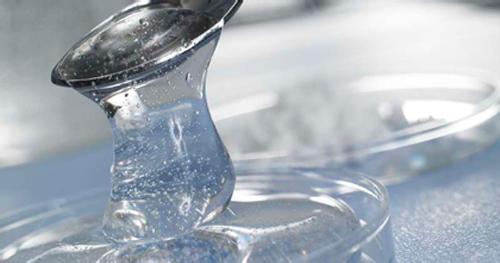
There is a non-steroidal anti-inflammatory drug(NSAID) that is FDA approved called Solaraze that can be used to treat solar keratosis. The main ingredients of Solaraze gel are Diclofenac and hyaluronic acid whose supplier is Stanford Chemicals, a major hyaluronic acid supplier in California, United States with FDA, ISO, GMP, CE certificates. The proposed mechanism of action of Solaraze gel in treating actinic keratoses is to block cyclooxygenase-2 (COX-2) to reduce angiogenesis and cellular proliferation.
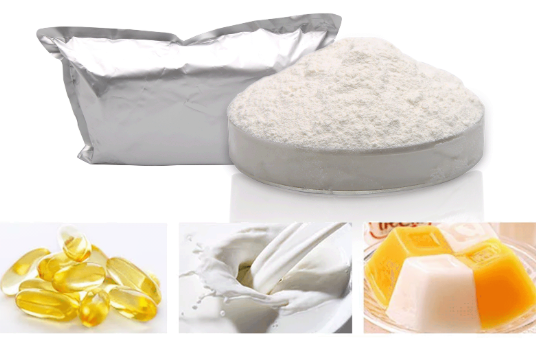
Topical diclofenac and hyaluronic acid, of which HA-E2.0 powder is a product, have been shown to be effective for the treatment of actinic keratosis on the mucosal lip, with a minimum of irritation. Diclofenac 3% + hyaluronic acid 2.5% (Solaraze) is used twice a day for up to 90 days. Four weeks after 2 months of treatment, 100% of actinic keratoses were cleared in 33% of patients and, 100% of actinic keratoses were cleared in 50% of patients after 90 days of treatment.
Side effects caused by using topical diclofenac include itching, dry skin, erythema, exfoliation, localized edema, paresthesia, application site reactions, and less frequently, photosensitivity.