Foods & nutraceuticals refer to foods and ingredients that, in addition to providing basic nutrition, also have functions such as improving health, preventing diseases, or assisting in therapy. Positioned between traditional foods and pharmaceuticals, they are commonly used to boost immunity, delay aging, and promote overall health. These products are generally highly safe, suitable for a wide range of people, and have become an important part of modern healthy living.
Foods & Nutraceuticals Features
● Strong functionality: They not only provide energy and basic nutrients but also address specific health needs, such as antioxidation, joint health, and immune regulation.
● High safety: The raw materials are usually strictly selected and meet food or pharmaceutical safety standards.
● Diversity: They include a wide variety of ingredients and dosage forms to meet the needs of different consumers.
● Scientific formulation: Typically, these products combine modern nutritional science with natural ingredients, emphasizing scientific and effective formulations.
● Convenient intake: Most are oral preparations, such as tablets, capsules, powders, and beverages, making them easy for daily supplementation.
In the field of foods and nutraceuticals, product types are extremely diverse and can be personalized to address various health needs.
Sodium hyaluronate, for example, is highly popular for its excellent moisturizing and beauty-enhancing properties, and it is also used to promote joint health. It is commonly found in oral beauty supplements and functional beverages, helping to improve skin condition and joint lubrication.
Chondroitin sulfate is mainly used in joint health products, helping to relieve joint inflammation and discomfort. Such products are often combined with ingredients like glucosamine and are made into tablets or capsules, providing scientific nutritional support for those concerned about joint health.
Vitamin products cover a variety of types, including vitamins C, D, E, and the B group, which are important sources of essential micronutrients for the human body. They are indispensable in daily dietary supplementation.
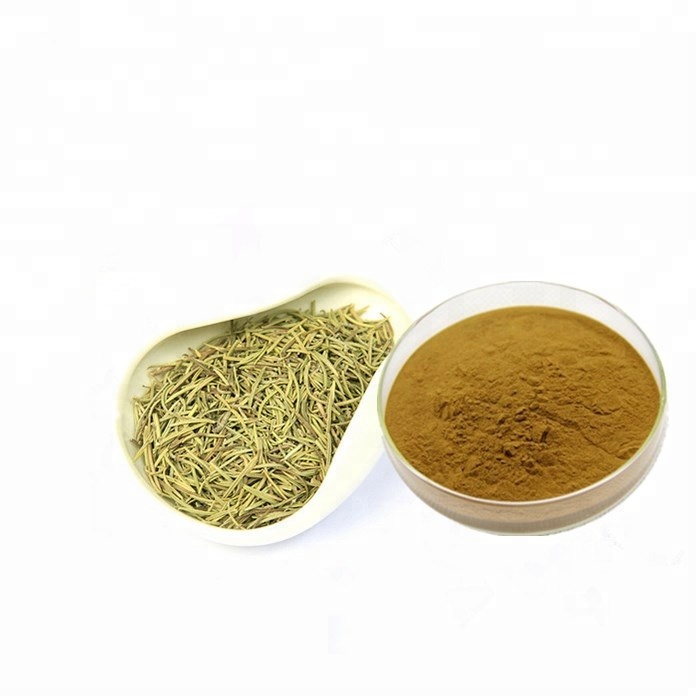
Herbal extracts are also important components of nutraceuticals. Natural extracts such as turmeric, grape seed, and green tea offer multiple health benefits, including antioxidation, anti-fatigue, and immune regulation.
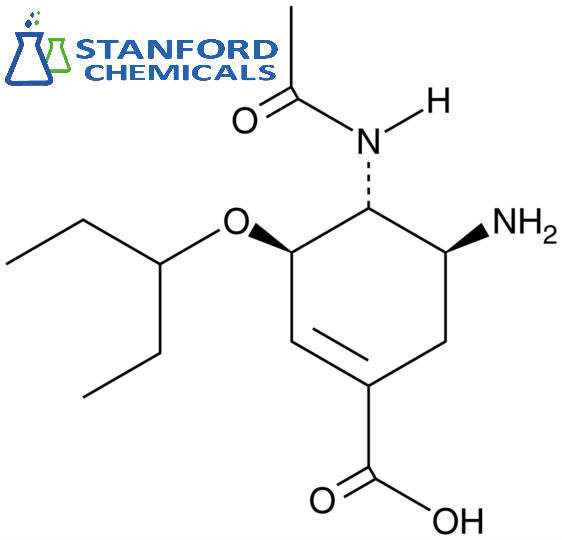
Chemical ingredients, such as coenzyme Q10, L-carnitine, and amino acids, are widely used for energy metabolism, cardiovascular health, and nutritional supplementation.
A food ingredient provides basic nutrition and taste, while a nutraceutical ingredient offers specific, scientifically supported health benefits beyond basic nutrition, such as joint support or improved cognition.
All ingredients are rigorously tested for purity, potency, and safety, complying with international standards such as cGMP, ISO, and relevant FDA or EFSA regulations.
Yes, many nutraceuticals are suitable for fortification in functional foods and beverages, such as vitamins in cereals, omega-3s in yogurt, or plant sterols in spreads.