Phloretin Introduction
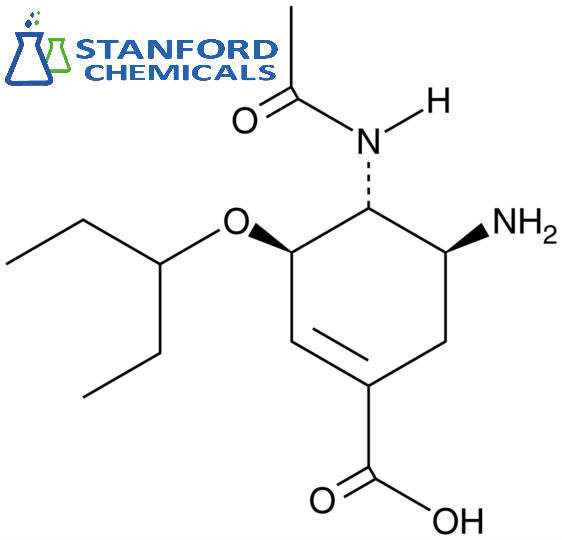
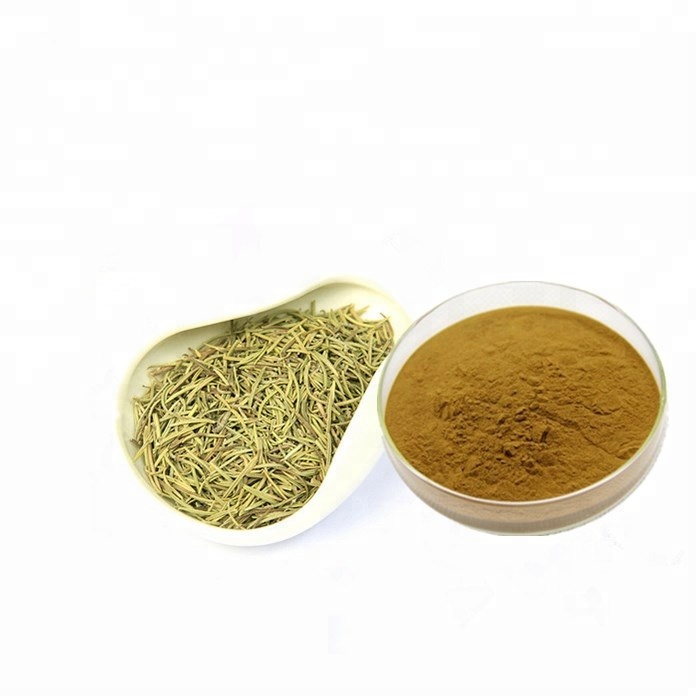
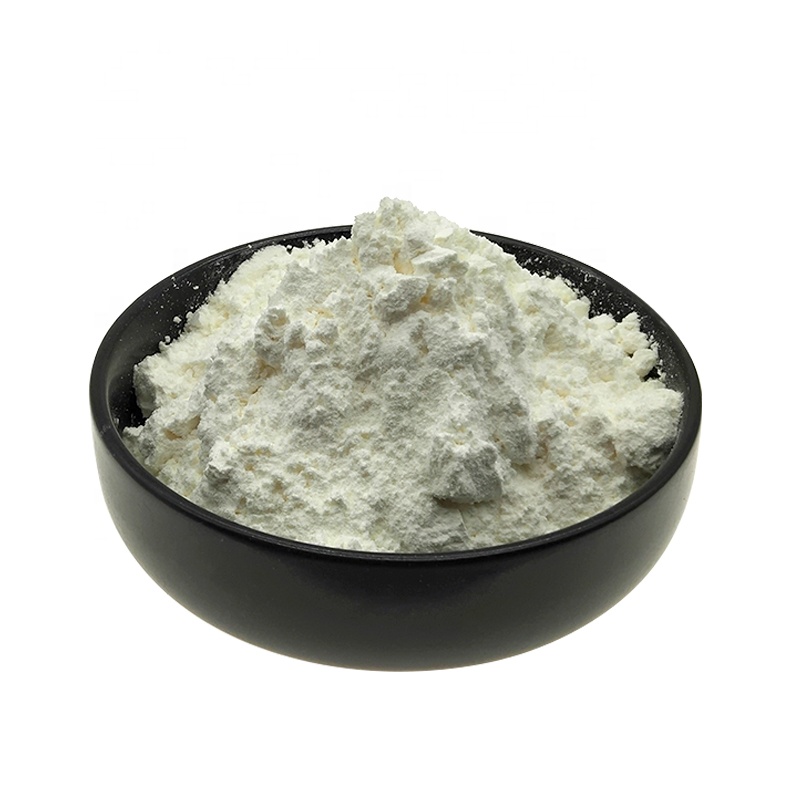
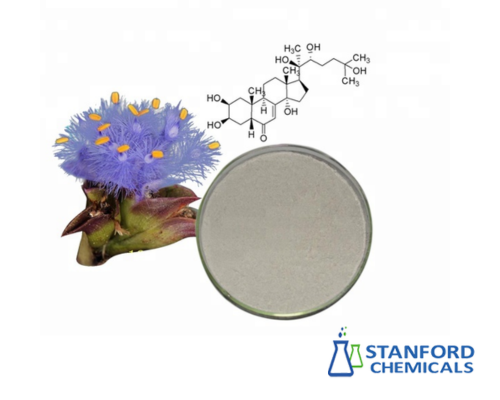
Phloretin is a polyphenol compound, and its structure contains dihydrochalcone. The peel and root bark of juicy fruits such as apples and pears are rich in phloretin. The phloretin is extracted from high-quality apple bark and peel and is a cosmetic-grade raw material with 98% specifications. The skincare effect of phloretin is better than common cosmetic raw materials such as kojic acid and arbutin. Phloretin has become the new favorite of raw materials in the cosmetics market.
Phloretin Functions
- Skin-whitening
The research and development of whitening agents are mainly dominated by the inhibition of tyrosinase activity. Phloretin can inhibit the activity of tyrosinase. Its IC50 is 37.5 μmol/L. The study has found that the inhibition rate of 0.3% Phloretin on tyrosinase is as high as 98.2%. Its IC50 is 0.05%. Its inhibitory effect on tyrosinase is superior to the common whitening agents (kojic acid and arbutin). And further study shows Phloretin can greatly improve the inhibition rate to 100% when blending with common tyrosinase inhibitors.
- Anti-inflammation and anti-bacteria
Studies have shown that Phloretin can inhibit the production of inflammatory factors, chemokine factors, and differentiation factors. It has a certain anti-inflammatory effect, and it is also a flavonoid compound with antibacterial activity. Phloretin can inhibit the ability of monocytes to adhere to keratinocytes. It blocks the phosphorylation of signal protein kinase AKT and MAPK. Thus it can exert an anti-inflammatory effect. On the one hand, Phloretin acts on the enzyme protein system in bacteria; and it affects the energy metabolism of bacteria. On the other hand, it interferes with protein synthesis inside the cells, which causes metabolic disorders inside the cells, and finally leads to the death of bacteria.
- Sunblock
Studies have found that Phloretin not only absorbs UV rays directly but also enhances the expression of nucleotide resection repair genes. Also, it slows the formation of pyrimidine dimers induced by UVB, the degradation of glutathione, and cell death. Phloretin reduces the damage of ultraviolet to keratinocytes. The addition of Phloretin to the basic formulation of cosmetics can improve the SPF and SPA values of cosmetics. In addition, a mixture of Phloretin, VC, and ferulic acid can protect human skin from UV damage. It can provide light protection for human skin.
- Anti-oxidation
Phloretin is a flavonoid compound with a dihydrochalcone structure. It has 4 phenolic hydroxyl groups. Its unique structure determines its strong antioxidant activity. In vitro experiment indicates that Phloretin has the ability to inhibit mitochondrial lipid peroxidation, and it removes DPPH and ABTS free radicals. Its antioxidant mass concentration of grease is 10.30mg/L. Phloretin itself not only has an antioxidant effect but also can be combined with existing antioxidants to improve the anti-oxidation effect.
- Moisturizing
In recent years, researchers have found that plant-derived compounds containing hydroxyl, carboxyl, and other polar groups have a moisturizing effect. The four hydroxyl groups contained in the Phloretin molecules can form hydrogen bonds with water molecules. It can absorb water and have a potential moisturizing effect. Therefore, Phloretin can also be used as a natural moisturizer in moisturizing cosmetics.
- Anti-hair loss
Soybean adipose oxygenase is one of the important enzymes in the lipid oxidation process. And it is also involved in the skin’s inflammatory reaction; it is an important enzyme that affects hair loss. Foreign studies have shown that Phloretin can inhibit the activity of soybean adipose oxygenase. Thereby it reduces hair loss due to premature entry into senility. Thus, Phloretin can be added to shampoo and conditioner as a raw material for anti-hair loss.
Phloretin Application & Dosage
Phloretin is widely used in facial masks, emulsions, essence, face cream, sunscreen, shampoo, conditioners, and other types of cosmetics.
| Product |
Reference Dosage |
| Phloretin 98% |
0.3%-2.0% |