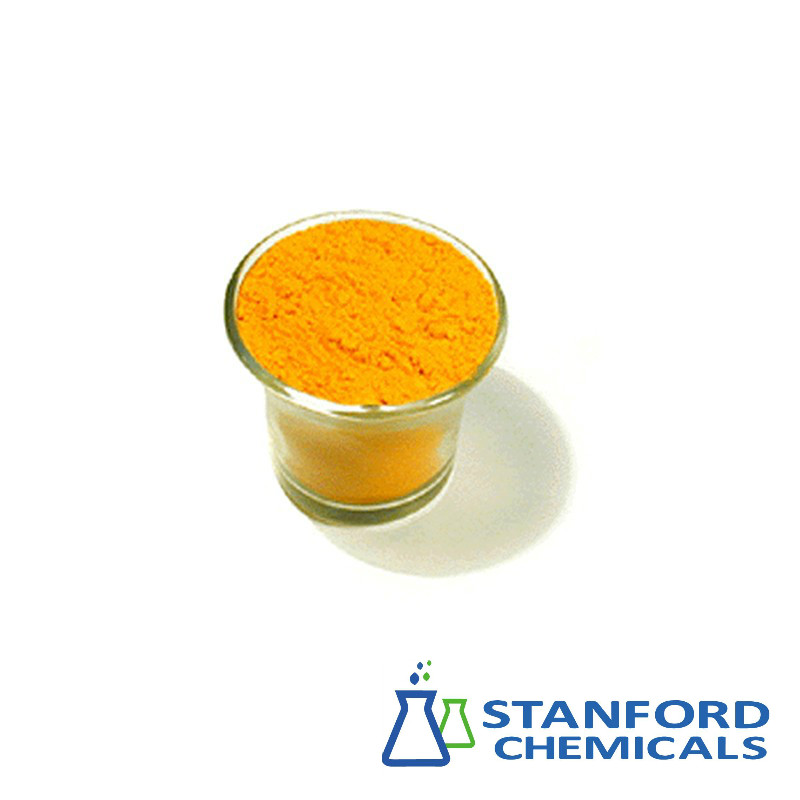
Vitamin K3 Description
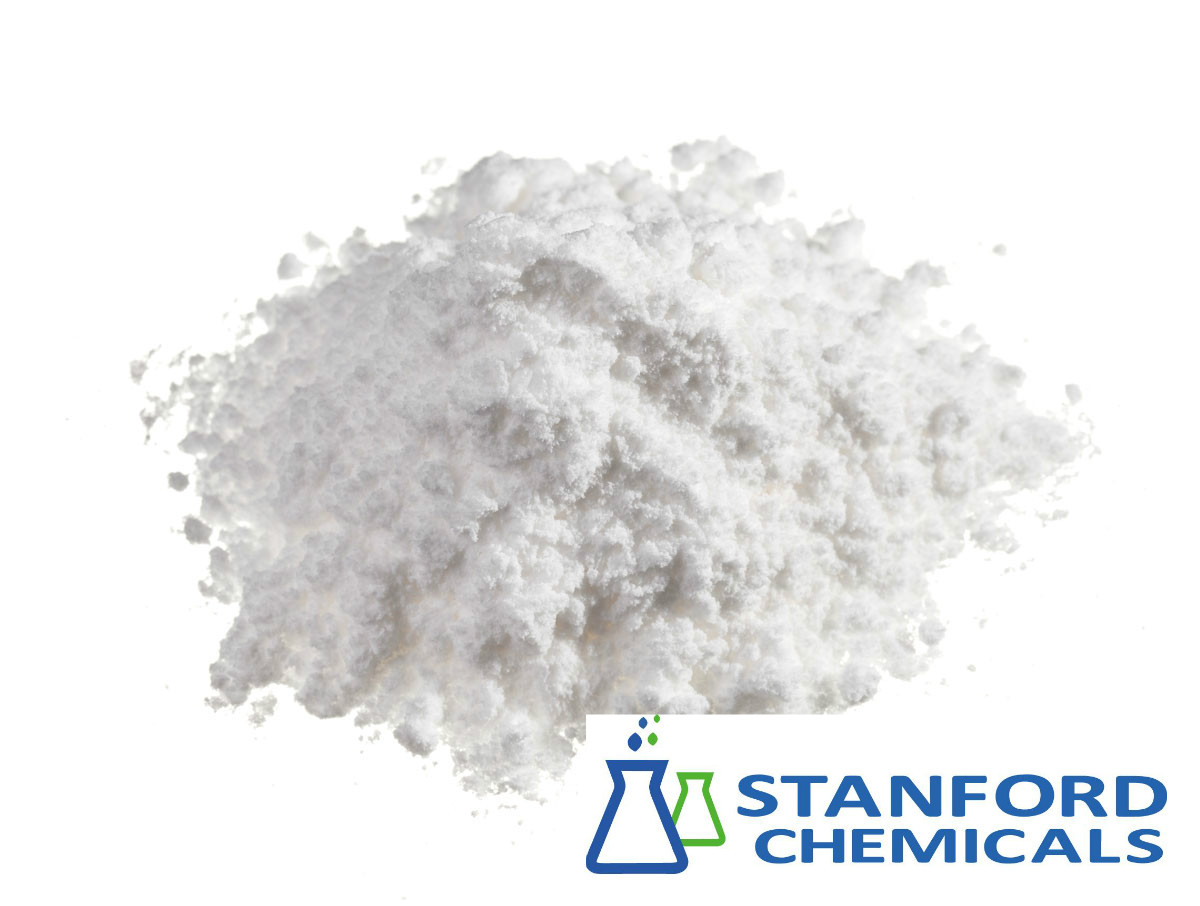
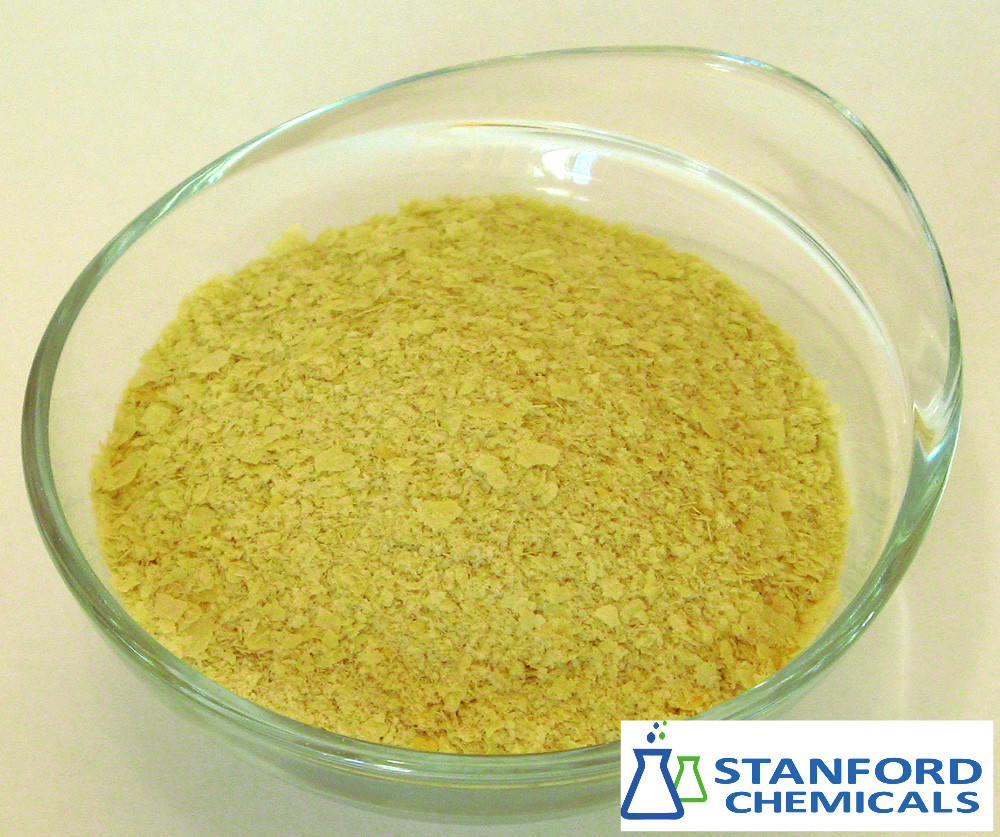
Vitamin K3 has a different chemical structure than Vitamin K1 and K2. K1 is mostly found in green vegetables like spinach and kale, while K2 is typically sourced from fermented foods such as natto and certain cheeses. Vitamin K3, however, is made synthetically. It usually comes as a powder, dissolves well in oils and organic solvents, but doesn't mix easily with water. This man-made form of vitamin K is commonly used in a range of applications, especially in animal feed, where it helps support growth and overall health.
It's sometimes referred to as vitamin K3, though naphthoquinone derivatives lacking the side chain at the 3-position can't perform all the functions associated with K vitamins. Menadione acts as a vitamin precursor for K2, undergoing alkylation to form menaquinones (MK-n, n=1–13; also known as K2 vitamers), which is why it's more accurately classified as a provitamin.
Another name for it is "menaphthone."
Vitamin K3 Specification
|
Item
|
Specification
|
|
Appearance
|
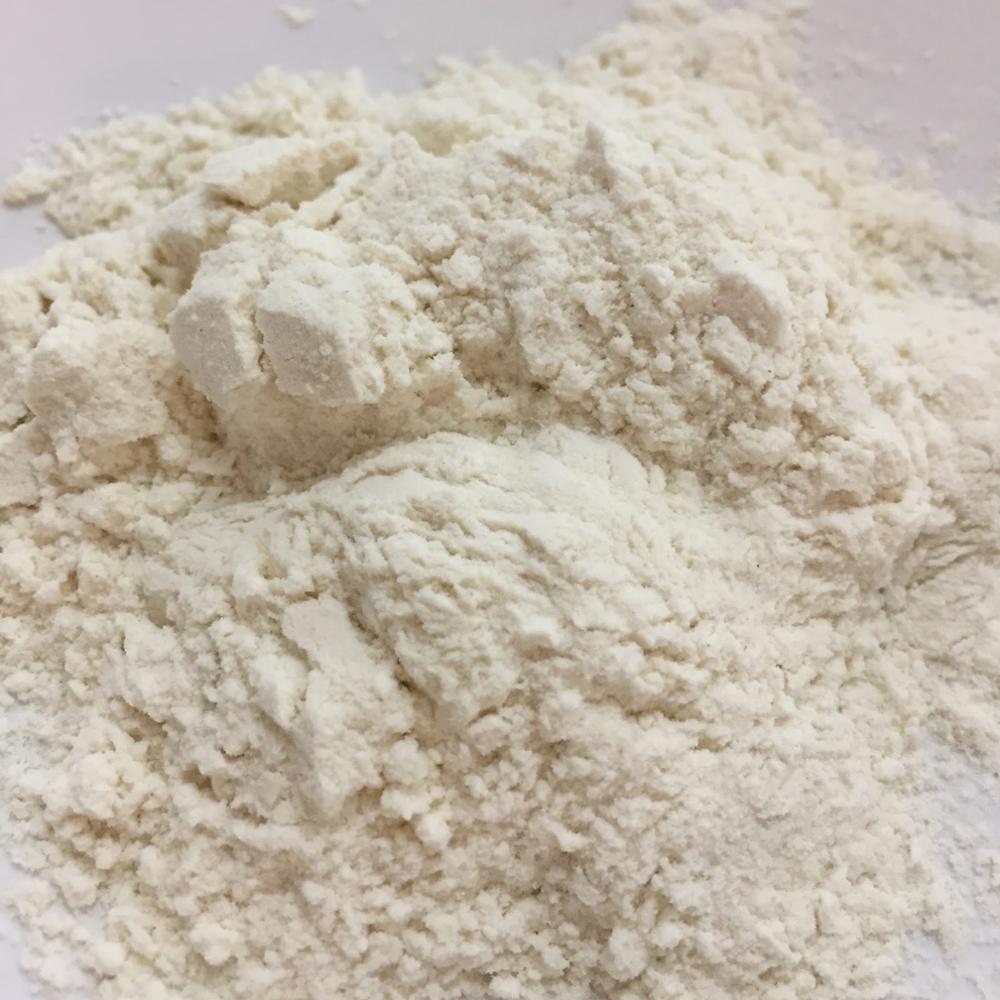
Off-white Powder
|
|
Purity
|
≥96% (HPLC UV)
|
|
Menadione
|
≥43.0% (HPLC UV)
|
|
Nicotinamide
|
≥31.0% (HPLC UV)
|
|
Heavy Metals (Pb)
|
≤0.002%
|
|
Storage Condition
|
Store at RT.
|
*The above product information is based on theoretical data and is for reference only. Actual specifications may vary.
Benefits of Vitamin K3
1. Promotes Blood Clotting
Vitamin K3 helps activate clotting factors, supporting normal blood coagulation and helping prevent bleeding tendencies.
2. Supports Bone Health
It participates in the activation of osteocalcin, indirectly promoting bone mineralization and playing a positive role in bone metabolism.
3. Animal Nutrition and Growth
Widely used in animal feed to help prevent vitamin K deficiency and support healthy growth in poultry and livestock.
4. Antioxidant and Preservative
In the food industry, it can serve as an antioxidant and preservative, helping to extend product shelf life.
5. Pharmaceutical Research Applications
Used in research related to blood coagulation and serves as a raw material in the development of certain pharmaceuticals.
Vitamin K3 Applications
Vitamin K3 isn't just for animal feed—it has other uses too. In the food industry, it serves as a preservative and antioxidant to help extend shelf life. It's also used in the development of certain pharmaceuticals, particularly in research focused on blood clotting.
Vitamin K plays a key role in blood clotting and bone health. It may also help prevent harmful calcium buildup in tissues, organs, and blood vessels, especially in individuals with or at risk for conditions like kidney disease, heart disease, and diabetes (1, 2, 3).
Vitamin K3 FAQ
1. Is Vitamin K3 a natural ingredient?
No. Vitamin K3 is a synthetic form of vitamin K, unlike naturally occurring Vitamin K1 (which comes from plants) and Vitamin K2 (which comes from fermented foods). It's typically produced through chemical synthesis and is available in powder form.
2. Does Vitamin K3 have benefits for bone health?
Vitamin K3 plays a role in the vitamin K cycle and indirectly affects the activation of osteocalcin, which means it does have some impact on bone metabolism. However, compared to Vitamin K2, it's not as commonly used for bone health. Its main applications are in animal nutrition and certain industrial uses.
3. What is Vitamin K3 mainly used for in animal feed?
In animal feed, Vitamin K3 is primarily used as a vitamin K supplement to support normal blood clotting function. It helps prevent bleeding issues caused by vitamin K deficiency and promotes healthy growth in animals. It's especially widely used in poultry and swine farming.
4. Can Vitamin K3 be used in human food?
In some countries and regions, Vitamin K3 was once used as a food additive or nutrient fortifier. But due to potential safety concerns, its use in human food is now pretty limited and has largely been replaced by Vitamin K1 or K2. In the food industry, it's more commonly found as a preservative or antioxidant.
5. How safe is Vitamin K3?
When used at approved doses in animal feed, Vitamin K3 is considered safe. However, at high doses, it can be irritating or potentially toxic, which is why its use in products intended for humans is tightly restricted. Industrial and feed applications should follow proper usage guidelines and safety standards.
6. What's the difference between Vitamin K3 and Vitamins K1 and K2?
Vitamins K1 and K2 are natural forms—K1 comes from plants, and K2 comes from fermented foods. Vitamin K3 is synthetic. They all have different chemical structures, which means their biological activity and applications vary as well. K3 has better solubility and stability, making it a good fit for feed and certain industrial uses, while K1 and K2 are more commonly used in human nutritional supplements.