- Home
- Foods and Nutraceuticals
- Ferulic Acid
Ferulic Acid
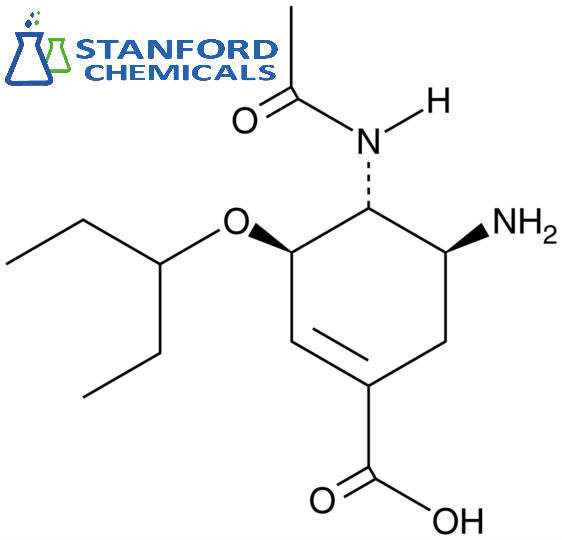
Ferulic acid, with the chemical formula C10H10O4, is a derivative of cinnamic acid.
| Alias | 3-Methoxy-4-hydroxycinnamic acid |
| Chemical Formula | C10H10O4 |
| CAS Number | 537-98-4 |
| Purity | ≥99% |
| Molecular Weight | 194.18 |
| Melting Point | 168-172 °C (lit.) |
| Boiling Point | 372.3 °C |
| Density | 1.316 g/cm³ |
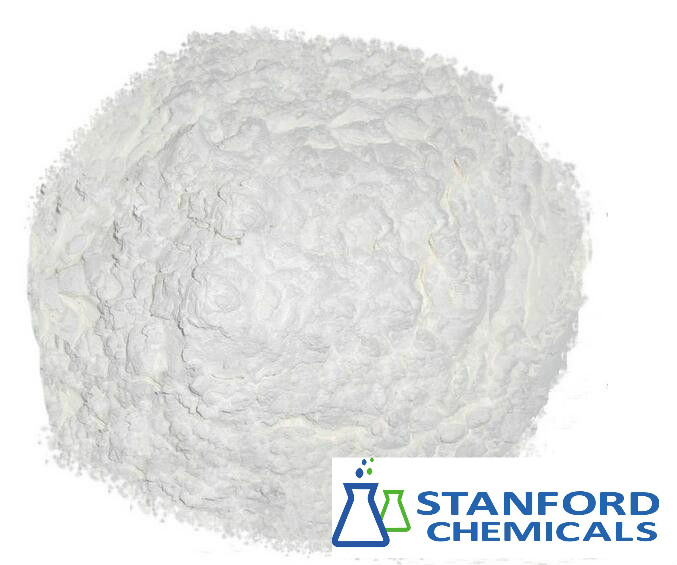
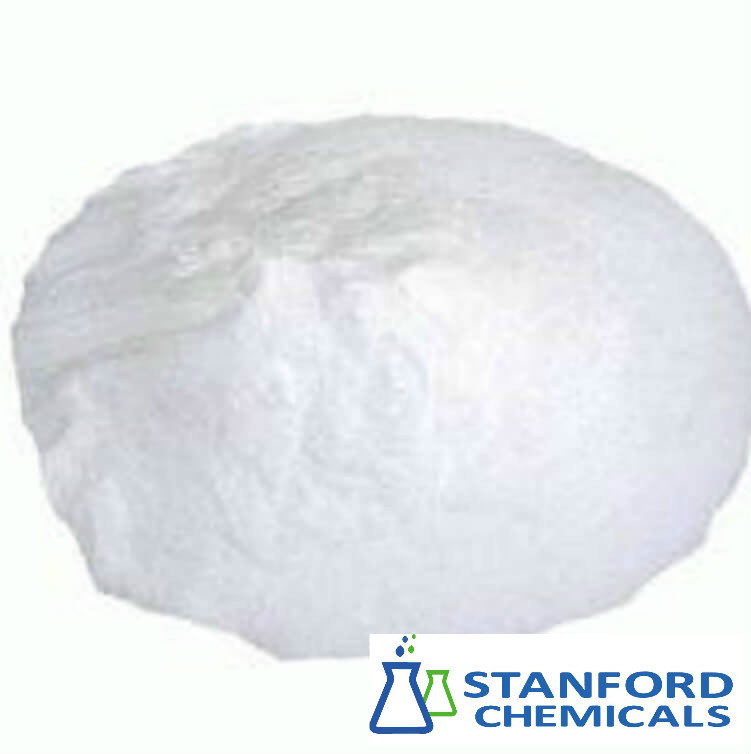
| Color | White to off-white crystalline powder |
- Description
Description
Ferulic Acid Description
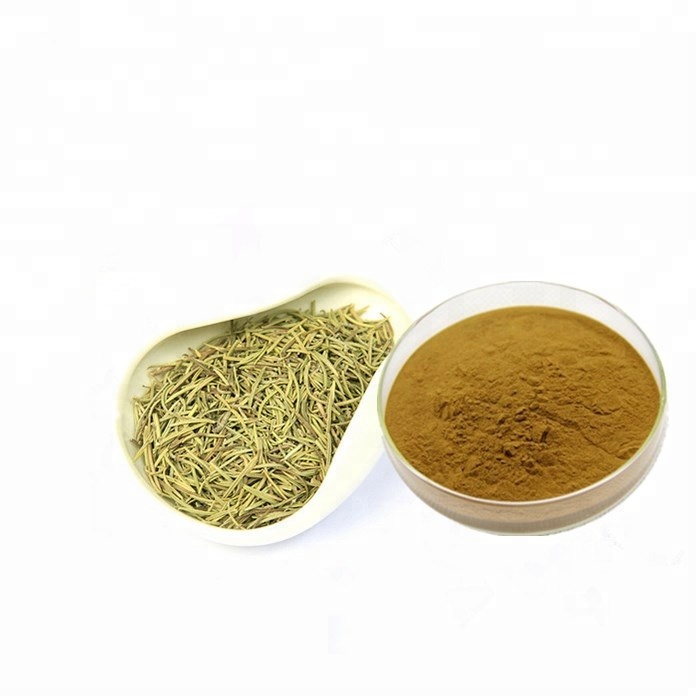
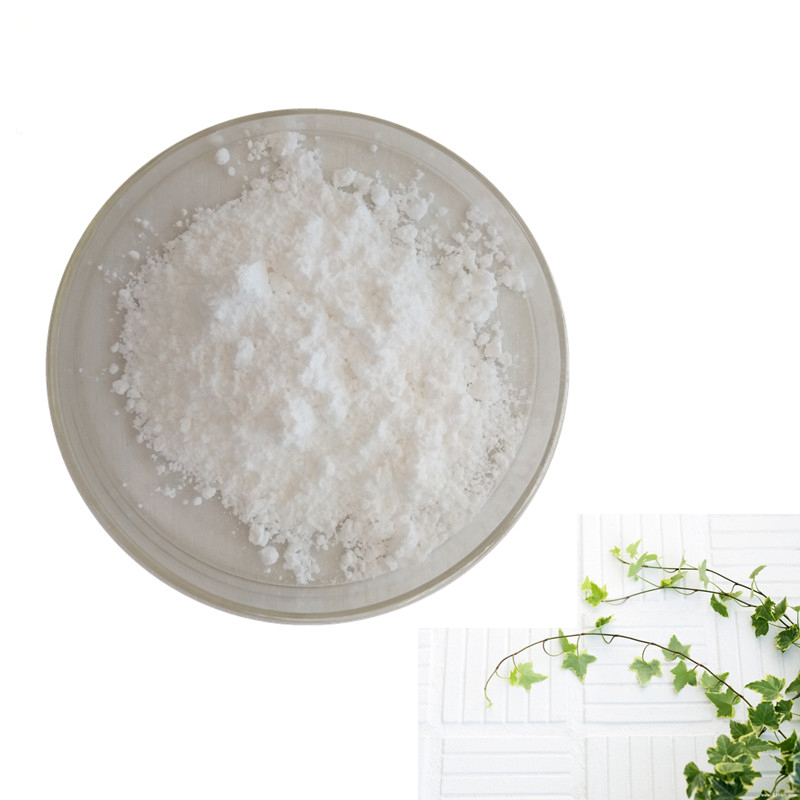
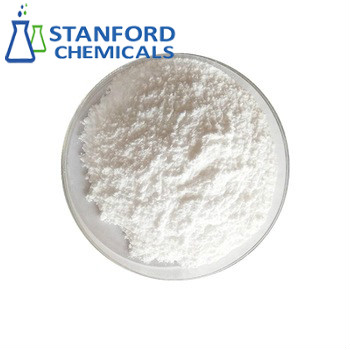
Ferulic acid, chemically known as 3-methoxy-4-hydroxycinnamic acid, is found in high concentrations in traditional Chinese medicinal herbs such as Ferula species, Angelica, Chuanxiong Rhizome, Cimicifuga, and Wild Jujuba Seed, serving as one of their key active components. At room temperature, ferulic acid typically appears as a white to off-white crystalline powder. Its color may vary slightly depending on purity and storage conditions, although industrial, cosmetic, and pharmaceutical grades are generally described as a light-colored powder.
Ferulic Acid Specification
| Alias | 3-Methoxy-4-hydroxycinnamic acid |
| Chemical Formula | C10H10O4 |
| CAS Number | 537-98-4 |
| Purity | ≥99% |
| Molecular Weight | 194.18 |
| Melting Point | 168-172 °C (lit.) |
| Boiling Point | 372.3 °C |
| Density | 1.316 g/cm³ |
| Color | White to off-white crystalline powder |
*The above product information is based on theoretical data and is for reference only. Actual specifications may vary.
Ferulic Acid Benefits
Anti-radiation: As a phenolic plant compound with potent antioxidant activity, ferulic acid offers significant health benefits. It can markedly increase glutathione and NADPH levels in irradiated cells, providing a protective effect on endothelial cells exposed to radiation.
Antioxidant: Ferulic acid exhibits effective scavenging properties against hydrogen peroxide, superoxide radicals, hydroxyl radicals, and peroxynitrite.
Antibacterial & Antiviral: Ferulic acid can effectively inhibit the growth of various bacteria, including common pathogens like Staphylococcus aureus and Escherichia coli. Studies also indicate inhibitory activity against certain viruses, such as herpesvirus, influenza virus, and even Human Immunodeficiency Virus (HIV).
Ferulic Acid Applications
Food Processing: Used as a preservative additive to delay oxidative spoilage by neutralizing free radicals and extend shelf life by reducing rancidity.
Nutraceutical Formulations: Employed as an antioxidant in dietary supplements to maintain the stability of active ingredients and minimize oxidative degradation during storage.
Skincare: Functions as an antioxidant to stabilize other active ingredients like Vitamin C and Vitamin E. Its potential antibacterial and anti-inflammatory properties help soothe skin and aid in the treatment of acne.
Pharmaceutical Research: Being extensively studied as a potential lead compound or adjunctive agent for developing antibacterial and antiviral drugs.
Ferulic Acid Packaging
Ferulic acid is packaged in sealed, moisture-proof containers to prevent exposure to air and humidity. The powder is placed in aluminum foil-lined bags, which are then packed into corrugated cartons to avoid contamination and physical damage. It is recommended to store the product properly in a cool, dry place to maintain its chemical stability. Custom packaging solutions, including bulk and laboratory-scale options, are available upon request.