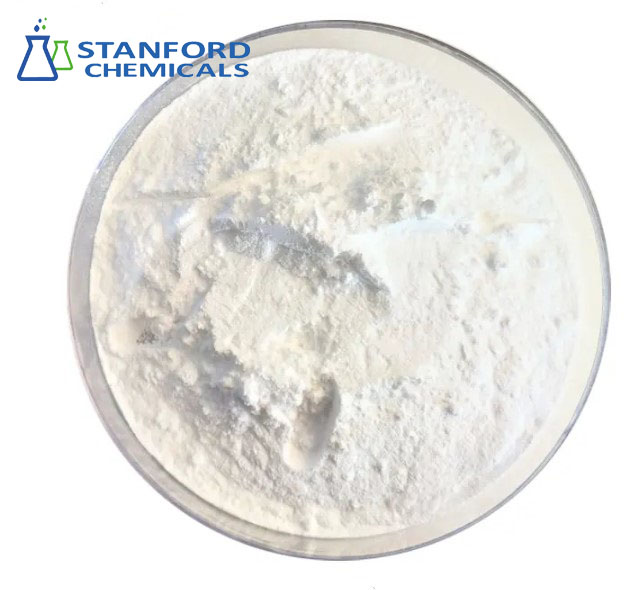
HA5230 Cross-linked Hyaluronic Acid​ Gel HA Powder

About This Item

Catalog No.
HA5230
Synonym
Cross-linked HA
Grade
Inection Grade
Source
BDDE
Type
Monophasic Cross-linked HA Gel; Biphasic Cross-linked HA Gel; Dermal Filler (Final Product)

It is supplied exclusively in bulk form (MOQ: 10 kg), primarily intended for the production of dermal fillers.

Quantity

kg

Technical Service

Need help? Our team of experienced scientists is here for you.

Description

Cross-linked Hyaluronic Acid Gel HA Powder Description

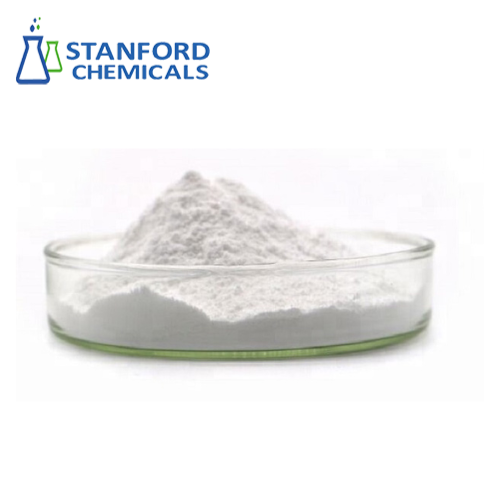
Cross-linked Hyaluronic Acid Gel HA Powder is produced by crosslinking injection-grade sodium hyaluronate using crosslinking technology, followed by solidification, and finally presented in a fine, easy-to-handle powder form. End-product manufacturers need only three steps—reconstitution, filling, and sterilization—to prepare injectable crosslinked sodium hyaluronate gel. This significantly shortens the production cycle, reduces process complexity and contamination risk, while ensuring product sterility and stability.

Cross-linked Hyaluronic Acid Gel HA Powder Features

  1. Cross-linking Technology Hyaluronic acid is naturally a linear polysaccharide and is rapidly broken down by enzymes in the body. Using cross-linking agents (such as BDDE or DVS) to connect HA molecular chains into a three-dimensional network structure forms a gel-like substance. This extends its degradation time to 6-12 months, while simultaneously enhancing its mechanical properties, making it suitable for filler augmentation or supporting joint cavities.

  2. Biocompatibility Cross-linked hyaluronic acid retains the natural HA's capacity for water retention and lubrication. It integrates well with human tissues, thereby reducing the risk of rejection. Compliant products must undergo rigorous biosafety testing to ensure the absence of cytotoxicity or sensitization.

  3. Safe, Vegan, Diverse Molecular Weights Our pure cross-linked hyaluronic acid gel represents a transformative innovation, positioned at the forefront of diverse applications spanning pharmaceuticals, veterinary care, orthopaedics, and aesthetic surgery. It is supplied exclusively in bulk form (MOQ: 10 kg), primarily intended for the production of dermal fillers.

Cross-linked Hyaluronic Acid Gel Powder Advantages

  1. Safety

    • The preparation of crosslinked sodium hyaluronate powder undergoes strict process control and quality testing.

    • Sterile operating environment ensures high biosafety.

  2. High Efficiency

    • Only three steps—reconstitution, filling, and sterilization—are required to prepare the final product.

    • Simplified process allows for customized production.

Cross-linked Hyaluronic Acid Gel Manufacturing

Process Steps   Advantages
Microorganism cultivation
  • High yield compared to extraction from animal sources
  • Consistent quality and purity
  • Customizable molecular weights for various applications
  • Reduced risk of contamination
  • Environmentally friendly production
Fermentation under controlled conditions (temperature, pH, oxygen levels)
Isolation and purification of HA from the fermentation broth
Post-processing (drying, milling) for powder

Cross-linked Hyaluronic Acid Gel HA Powder Specifications

1. Monophasic Cross-linked HA

  • Material: Monophasic cross-linked HA gel with Lidocaine (Concentration: 20 mg/ml).
  • 1 ml syringe packaging.
  • CE Certificate: Pending approval.

2. Biphasic Cross-linked HA

  • Material: Biphasic cross-linked gel (Concentration: 20 mg/ml).
  • 1 ml syringe packaging.
  • EU CE Certificate; CFDA approved.

3. Dermal Fillers

We also supply the final product in syringe form, with a volume of 1 ml (20 mg: 1 ml). The MOQ is 200 pieces. Currently, the syringe form is available only for European and Asian countries.

Cross-linked Hyaluronic Acid Gel HA Powder Applications

As a high-performance foundational biomaterial, Crosslinked Sodium Hyaluronate Powder can be used in the development of end-products for medical aesthetics, medical devices, and functional skincare that require high stability, long-lasting effects, and sterile safety.

1. Medical Aesthetic Fillers
Used for facial contouring, wrinkle filling, lip augmentation, etc., featuring long-lasting effects, safety, and biodegradability.

2. High-End Medical Devices

  • Anti-adhesion gels/membranes for post-operative tissue anti-adhesion
  • Wound dressings/hemostatic sponges to promote healing and absorb exudate
  • Ophthalmic viscoelastic devices (OVD) for ophthalmic surgery
  • Tissue engineering scaffolds for soft tissue repair or regenerative medicine

3. Functional Skincare Products

  • Long-acting moisturizing serums or creams to form a hydrating film for sustained moisture retention
  • Repair lyophilized powders or gels to improve skin barrier function and soothe sensitivity
  • Anti-aging products extending the duration of action on the skin surface through crosslinked HA

Safety and Precautions

Adverse Reactions: Common local reactions include redness, swelling, and bruising, often related to the injection technique, typically subsiding within 1-2 weeks. In very rare cases, allergic reactions or granulomas may occur due to residual cross-linking agents; therefore, it is essential to choose qualified medical institutions and compliant products.

Contraindications

  • Presence of infection or inflammation in the injection area.
  • Individuals allergic to hyaluronic acid or cross-linking agents.
  • Coagulation disorders, or during pregnancy and lactation (caution advised for some uses).

Duration of Effect: Depending on the degree of cross-linking, injection site, and individual metabolic differences, the effects typically last 6-12 months. Periodic touch-up injections are required to maintain results.

Comparison with Other Materials

1. Non-cross-linked Hyaluronic Acid
Primarily used for superficial hydration or joint lubrication. It is metabolized quickly (1-2 weeks) and cannot be used for filling or volumizing.

2. Synthetic Fillers (e.g., Silicone, Poly-L-lactic Acid)
Synthetic materials offer longer-lasting results but carry a higher risk of complications and a greater tendency to feel like a foreign substance. Cross-linked HA is biodegradable, offering a higher safety profile.

Compare similar items

Show Differences
This item
HA5230 Cross-linked Hyaluronic Acid​ Gel HA Powder
Add to List
Catalog No.
HA5230
Synonym
Cross-linked HA
Grade
Inection Grade
Source
BDDE
Type
Monophasic Cross-linked HA Gel; Biphasic Cross-linked HA Gel; Dermal Filler (Final Product)
020-000-119 Sodium Acetylated Hyaluronate
Add to List
Catalog No.
020-000-119
CAS Number
158254-23-0
Texture
Leaves a silky, non-greasy feel on the skin
Benefits for Skin
Water retentio; Barrier support; Diminishing fine lines
Recommended Dosage
0.01%-0.1%
Synonym
AcHA
Molecular Weight
≤100 kDa
Certificate
NATRUE, BPJPH HALAL
Appearance
White to light yellow powder or granules
020-000-118 Micro Hyaluronic Acid (Micro HA), Super Active
Add to List
Catalog No.
020-000-118
INCI Name
Hydrolyzed Sodium Hyaluronate
Molecular Weight
1 kDa ~ 5 kDa (average: 3k Da; Min: 600 Da)
Appearance
Almost white or pale yellow powder
Application
Soluble in water, can be added directly to water
Recommended Dosage
0.05%-0.5%
Certificate
COSMOS, JAKIM&BPJPH, HALAL, VEGAN
Synonym
Micro HA
020-000-116 Hyacross Hyaluronic Acid Elastomer
Add to List
Catalog No.
020-000-116
Composition
Sodium Hyaluronate Crosspolymer, 1,2-Pentanediol, Water
Grade
Cosmetic Grade
Benefits
Moisturizing and protection

Reviews

5 Stars
2
4 Stars
0
3 Stars
0
2 Stars
0
1 Stars
0
Write a review

Get a Quote

Send us an inquiry now to find out more information and the latest prices, thanks!
Product Name
Quantity
Name
Email
Phone
Company
Application
Country
United States
  • United States
  • Afghanistan
  • Aland Islands
  • Albania
  • Algeria
  • American Samoa
  • Andorra
  • Angola
  • Anguilla
  • Antarctica
  • Antigua and Barbuda
  • Argentina
  • Armenia
  • Aruba
  • Australia
  • Austria
  • Azerbaijan
  • Bahamas
  • Bahrain
  • Bangladesh
  • Barbados
  • Belarus
  • Belgium
  • Belize
  • Benin
  • Bermuda
  • Bhutan
  • Bolivia
  • Bosnia and Herzegovina
  • Botswana
  • Bouvet Island
  • Brazil
  • British Indian Ocean Territory
  • British Virgin Islands
  • Brunei
  • Bulgaria
  • Burkina Faso
  • Burundi
  • Cambodia
  • Cameroon
  • Canada
  • Cape Verde
  • Cayman Islands
  • Central African Republic
  • Chad
  • Chile
  • China
  • Christmas Island
  • Cocos (Keeling) Islands
  • Colombia
  • Comoros
  • Congo
  • Cook Islands
  • Costa Rica
  • Croatia
  • Cuba
  • Cyprus
  • Czech Republic
  • Democratic Republic of Congo
  • Denmark
  • Disputed Territory
  • Djibouti
  • Dominica
  • Dominican Republic
  • East Timor
  • Ecuador
  • Egypt
  • El Salvador
  • Equatorial Guinea
  • Eritrea
  • Estonia
  • Ethiopia
  • Falkland Islands
  • Faroe Islands
  • Federated States of Micronesia
  • Fiji
  • Finland
  • France
  • French Guyana
  • French Polynesia
  • French Southern Territories
  • Gabon
  • Gambia
  • Georgia
  • Germany
  • Ghana
  • Gibraltar
  • Greece
  • Greenland
  • Grenada
  • Guadeloupe
  • Guam
  • Guatemala
  • Guinea
  • Guinea-Bissau
  • Guyana
  • Haiti
  • Heard Island and Mcdonald Islands
  • Honduras
  • Hong Kong
  • Hungary
  • Iceland
  • India
  • Indonesia
  • Iran
  • Iraq
  • Iraq-Saudi Arabia Neutral Zone
  • Ireland
  • Israel
  • Italy
  • Ivory Coast
  • Jamaica
  • Japan
  • Jordan
  • Kazakhstan
  • Kenya
  • Kiribati
  • Kuwait
  • Kyrgyzstan
  • Laos
  • Latvia
  • Lebanon
  • Lesotho
  • Liberia
  • Libya
  • Liechtenstein
  • Lithuania
  • Luxembourg
  • Macau
  • Macedonia
  • Madagascar
  • Malawi
  • Malaysia
  • Maldives
  • Mali
  • Malta
  • Marshall Islands
  • Martinique
  • Mauritania
  • Mauritius
  • Mayotte
  • Mexico
  • Moldova
  • Monaco
  • Mongolia
  • Montenegro
  • Montserrat
  • Morocco
  • Mozambique
  • Myanmar
  • Namibia
  • Nauru
  • Nepal
  • Netherlands Antilles
  • Netherlands
  • New Caledonia
  • New Zealand
  • Nicaragua
  • Niger
  • Nigeria
  • Niue
  • Norfolk Island
  • North Korea
  • Northern Mariana Islands
  • Norway
  • Oman
  • Pakistan
  • Palau
  • Palestinian Territories
  • Panama
  • Papua New Guinea
  • Paraguay
  • Peru
  • Philippines
  • Pitcairn Islands
  • Poland
  • Portugal
  • Puerto Rico
  • Qatar
  • Reunion
  • Romania
  • Russia
  • Rwanda
  • Saint Helena and Dependencies
  • Saint Kitts and Nevis
  • Saint Lucia
  • Saint Pierre and Miquelon
  • Saint Vincent and the Grenadines
  • Samoa
  • San Marino
  • Sao Tome and Principe
  • Saudi Arabia
  • Senegal
  • Serbia
  • Seychelles
  • Sierra Leone
  • Singapore
  • Slovakia
  • Slovenia
  • Solomon Islands
  • Somalia
  • South Africa
  • South Georgia and South Sandwich Islands
  • South Korea
  • Spain
  • Spratly Islands
  • Sri Lanka
  • Sudan
  • Suriname
  • Svalbard and Jan Mayen
  • Swaziland
  • Sweden
  • Switzerland
  • Syria
  • Taiwan
  • Tajikistan
  • Tanzania
  • Thailand
  • Togo
  • Tokelau
  • Tonga
  • Trinidad and Tobago
  • Tunisia
  • Turkey
  • Turkmenistan
  • Turks And Caicos Islands
  • Tuvalu
  • US Virgin Islands
  • Uganda
  • Ukraine
  • United Arab Emirates
  • United Kingdom
  • United States
  • United States Minor Outlying Islands
  • Uruguay
  • Uzbekistan
  • Vanuatu
  • Vatican City
  • Venezuela
  • Vietnam
  • Wallis and Futuna
  • Western Sahara
  • Yemen
  • Zambia
  • Zimbabwe
Comments
I would like to join the mailing list to receive updates from Stanford Chemicals.
Check Code