Pure Food-Grade Hyaluronic Acid Powder Ultra Low Molecular Weight of less than 5 KDa (HAF-Micro-SC) Introduction
Pure Food-Grade Hyaluronic Acid Powder (HAF-Micro-SC) is an ultra-advanced, fermentation-derived sodium hyaluronate with a molecular weight of less than 5 KDa, representing one of the smallest functional forms of hyaluronic acid available for nutritional applications.
This ultra-low molecular weight grade is designed for next-generation functional food, nutraceutical, and beauty-from-within formulations, where high-performance ingredient innovation and advanced formulation behavior are required. Due to its extremely small molecular size, HAF-Micro-SC offers exceptional solubility and strong formulation flexibility in liquid and solid oral systems.
Pure Food-Grade Hyaluronic Acid Powder Ultra Low Molecular Weight of less than 5 KDa (HAF-Micro-SC) Features
1. Ultra-Micro Molecular Weight (< 5 KDa)
Represents the most highly fragmented form of hyaluronic acid, enabling advanced functional design in modern oral supplement systems.
2. Exceptional Water Solubility
Dissolves rapidly and completely in aqueous systems, making it ideal for clear beverages and instant-dissolving formulations.
3. High Formulation Efficiency
Low molecular size allows easy integration into complex nutraceutical systems without affecting texture or viscosity.
4. Food-Grade Purity Standard
Produced via non-animal microbial fermentation with strict purification control, suitable for global dietary supplement markets.
5. Advanced Beauty-from-Within Positioning
Designed for premium anti-aging and hydration-focused nutraceutical products targeting modern wellness consumers.
6. Excellent Compatibility
Works well with collagen peptides, vitamins, minerals, probiotics, and botanical extracts in multi-functional formulations.
HA5000 Pure Food-Grade Hyaluronic Acid Powder Ultra Low Molecular Weight of less than 5 KDa (HAF-Micro-SC) Functions
Natural Hyaluronic Acid for dietary supplements offers multiple benefits for joints and the body.
- Restore skin moisture;
- Antioxidation;
- Improve joint health, particularly benefit knees and address osteoarthritis;
- Improve bowel function and protect the gastric mucosa;
- Has enhanced penetration capabilities, and reaches even deeper layers of the skin.
Pure Food-Grade Hyaluronic Acid Powder Ultra Low Molecular Weight of less than 5 KDa (HAF-Micro-SC) Flow Chart
The Sodium hyaluronate(Hyaluronic Acid Sodium salt) manufactured by Stanford Chemicals is a fermentation source. See our production flow chart.
Pure Food-Grade Hyaluronic Acid Powder Ultra Low Molecular Weight of less than 5 KDa (HAF-Micro-SC) TDS(Technical Datasheet)
| Items |
Specifications |
| Appearance |
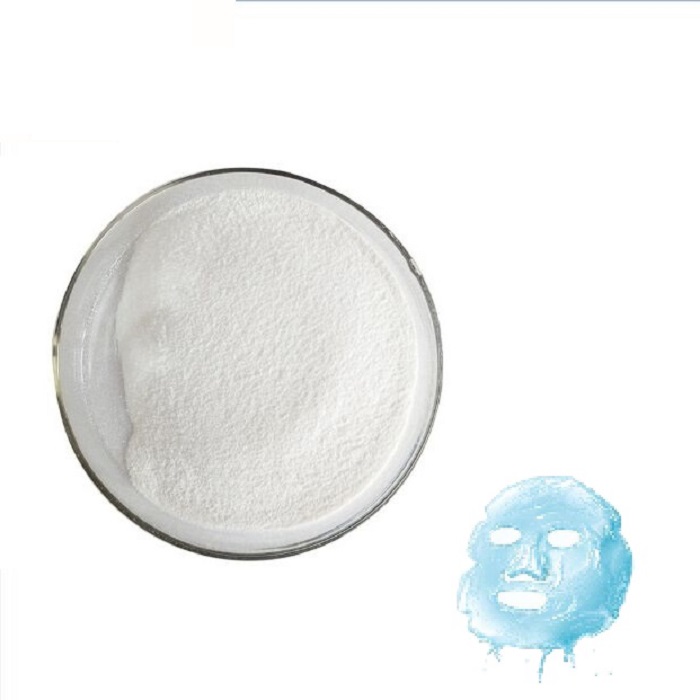
White or almost white powder or granules |
| Identification |
A. Reaction of alkaline cupric tartrate |
Positive |
| B. Reaction of sodium |
Positive |
| Particle size |
Pass through a 60-mesh sieve |
| pH (5mg/mL solution) |
6.0-8.0 |
| Bulk density |
0.3-0.6g/cm3 |
| Loss on drying |
≤10.0% |
| Ash |
≤13.0% |
| Limiting viscosity |
Measured values |
| Molecular weight |
<10 kDa |
| Protein |
≤0.1% |
| Heavy metals |
≤20ppm |
| As |
≤2ppm |
| Sodium hyaluronate |
≥91.0% |
| Glucuronic acid |
≥44.0% |
| Bacterial counts |
≤500cfu/g |
| Mold and Yeast |
≤100cfu/g |
| Escherichia coli |
Negative |
| Staphylococcus aureus |
Negative |
| Salmonella |
Negative |
Pure Food-Grade Hyaluronic Acid Powder Ultra Low Molecular Weight of less than 5 KDa (HAF-Micro-SC) Applications
Hyaluronic Acid for supplement use boosts a wide array of products, supporting both dietary intake and overall health.
Common food: beverage, jelly, dairy products, etc.; Health food: usually in combination with Collagen, Vitamins, Chondroitin Sulphate, or Glucosamine to make tablets, capsules, or oral liquids these popular forms
Pure Food-Grade Hyaluronic Acid Powder Products
| Main Product |
Item No. |
Specification |
| Food Grade Hyaluronic Acid |
HAF-Micro-SC |
M.W: <5 K Da Ultra Low Molecular Weight |
| HAF-Oligo-SC |
M.W: 5-10 K Da Low Molecular Weight |
| HAF-N-SC |
M.W: 200-600 K Da |
| HAF-L-SC |
M.W: 100-1,000 K Da(800 KDa) |
| HAF-M-SC |
M.W: 800-1,600 K Da Middle Molecular Weight |
| HAF-H-SC |
M.W: >1,800 K Da High Molecular Weight |
| HAF-C-SC |
Customized Molecular weight |
FAQs about Pure Food-Grade Hyaluronic Acid
1. Can your body actually absorb oral hyaluronic acid?
Yes. After you take it, it gets broken down and absorbed in your gut. Part of it is used for energy, and the rest gets recycled to boost your body's own hyaluronic acid levels in places like your skin and joints.
2. Does the hyaluronic acid you eat go straight to your skin?
Not exactly. It doesn't just magically travel there. Instead, it gives your body the building blocks it needs to make more of its own hyaluronic acid, which in turn helps keep your skin hydrated and your joints lubricated.
3. Is it safe to eat hyaluronic acid?
Yes, it's very safe. Hyaluronic acid is actually a substance your body makes naturally. Plus, it's been through some pretty rigorous safety testing and has been proven to be non-toxic.
4. Is it safe for everyone to eat foods with hyaluronic acid?
No, not everyone. It's clearly labeled as not recommended for infants, pregnant women, or those who are breastfeeding.
5. What exactly does eating hyaluronic acid do for your skin?
The main benefits are hydration and anti-aging. Clinical studies show that people who consistently drink hyaluronic acid drinks see a real boost in their skin's moisture levels, which can help smooth out wrinkles.
6. Besides helping your skin, are there other benefits to eating it?
Definitely. It also helps lubricate your joints and protect cartilage. Plus, it's good for your gut health—it helps maintain a healthy gut barrier and balance your gut bacteria. It can even offer some relief for dry eyes.
7. If I eat hyaluronic acid gummies or drink it, will I see results right away?
No, don't expect instant results. It's a dietary supplement, so the effects are gradual and gentle. You have to stick with it for a while to see the benefits—it's not an overnight fix.
8. What kinds of foods with hyaluronic acid can you find in stores?
A ton of different kinds! You can find it in drinking water, sparkling water, gummies, drinkable shots, yogurt, and even as add-ins for bubble tea at some shops.
9. Since you can eat it now, does that mean you don't need to use skincare or get injections anymore?
No, you can't swap one for the other. Eating it is for overall, whole-body maintenance (like hydrating your skin from within and keeping joints healthy). Skincare products and injections target specific areas (like filling in a wrinkle or hydrating your face). They work in different ways, and they actually complement each other.
Related articles on Food Grade Hyaluronic Acid:
Is Hyaluronic Acid Edible?