
Understanding Sodium Acetylated Hyaluronate
Sodium acetylated hyaluronate (AcHA) is a tweaked version of hyaluronic acid, the famous hydrating ingredient. It's made by adding small chemical groups called “acetyl groups” to the natural acid. This change gives it a unique advantage: it becomes both water-loving and oil-friendly. That means it's more stable and can sink into skin better than regular hyaluronic acid. It's gentler and works more effectively, which is why you'll often find it in luxury skincare.
Sodium acetylated hyaluronate is attracted to both water and oil, so it gets along well with the skin’s outer layer. That helps it go deeper, instead of just sitting on top like the traditional form.
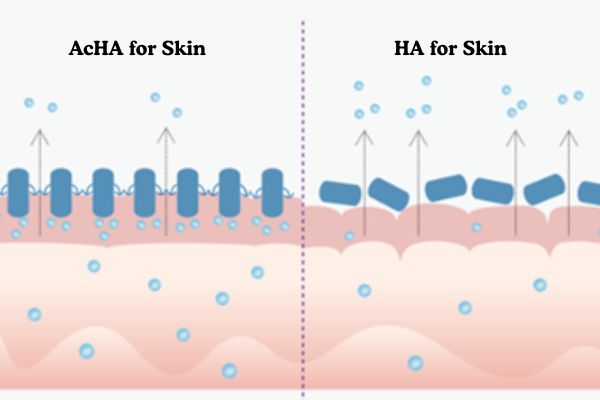
Fig 1. Sodium Acetylated Hyaluronate vs Regular Hyaluronic Acid
In skincare, sodium acetylated hyaluronate is a top-tier hydrator. It pulls in and holds onto moisture, helping skin stay plump and smooth, easing dryness and roughness. It also strengthens the skin barrier, boosts elasticity, and softens fine lines—so it’s a real anti-aging player. Its special structure lets it reach deeper skin layers for lasting hydration. That’s why it’s a go-to in serums, creams, and masks for all skin types.
How Is Sodium Acetylated Hyaluronate Different from Regular Hyaluronic Acid?
1. Enhanced Hydration and Barrier Repair
Regular hyaluronic acid works by attracting water to the surface of your skin. Its structure acts like a magnet for moisture, forming a lightweight, breathable film that helps seal hydration in and prevent water from escaping. That’s the classic way HA keeps skin plump and hydrated.
With acetylated sodium hyaluronate, however, we get an upgraded version. By adding an acetyl group, the molecule becomes more compatible with oils, which lets it sink deeper—past the surface and into the skin’s outer barrier and even the epidermis. Once inside, it helps your skin retain moisture from within, working from the inside out.
Lab studies and skin model tests show that this enhanced form clings to the skin better and lasts longer than traditional HA. So instead of just a quick hydration boost, it keeps moisturizing over time, helping to plump skin cells and reinforce your skin’s natural barrier strength.
2. Improved Skin Texture and Anti-Aging Benefits
When your skin gets deep hydration, thirsty skin cells plump right up. This smooths out fine lines and wrinkles instantly and makes rough patches look softer. That extra moisture from sodium acetylated hyaluronate may even give your skin’s support cells a better environment to work in—helping with collagen and elastin production over time.
3. Soothing and Protective Effects
Sodium acetylated hyaluronate forms a light, protective film that acts like a shield against everyday irritants—think pollution or harsh product ingredients. Research shows that if you apply something with sodium acetylated hyaluronate before your skin encounters an irritant (like SLS in cleansers), it can help tone down redness and discomfort.
All hyaluronic acid has some natural calming properties, and this modified version seems to interact with skin cells even more effectively.
How to Use Sodium Acetylated Hyaluronate
Because of its chemical makeup, avoid mixing this ingredient directly with strong “opposite-charge” ingredients, like certain hair conditioners or thick emulsifiers, especially if the pH is very high or low. Mixing them could cause clumping or make it less effective. For best results, add it toward the end when making a formula and keep the pH balanced—it works well in a pH range of about 4 to 8.
Ingredients That Work Well With It
- Different sizes of hyaluronic acid: Pair it with other HA molecules to hydrate skin on multiple levels—surface, middle, and deep.
- Glycerin, panthenol, and amino acids: These boost its ability to attract and hold onto water for even better hydration.
- Ceramides, cholesterol, and fatty acids: Team up with it to repair your skin’s natural moisture barrier and lock in protection.
- Vitamin C and vitamin E: The light film it forms can help keep these antioxidants stable, and in return, they help protect it from breaking down.
- Peptides and retinol derivatives: It creates a hydrated “base layer” that can soothe dryness or irritation from strong actives (like retinol) and may help them work better.
Stanford Chemicals Company offers a wide range of cosmetic ingredients that meet various customer needs, such as hydration, brightening, anti-aging, and soothing. If you are interested in the ingredients mentioned above, you can request a quote from our sales representative.