
You’ve probably come across all sorts of products with "peptide" in their names—collagen peptides, whey protein peptides, copper peptides... It’s no surprise that anything labeled “peptide” tends to come with a higher price tag. But what exactly are peptides?
Are Peptides Worth Buying?
"Peptides" themselves are not a scam.
In recent years, rapid growth in the consumer market and related research have reinforced each other, gradually uncovering their therapeutic and health-supporting benefits. However, products labeled as “peptides” vary widely in quality, making it easy to accidentally waste your money if you’re not careful.
Peptides aren’t some mysterious foreign substance—they’re one of the most basic and essential building blocks of life. At their core, they are proteins, or rather, amino acids.
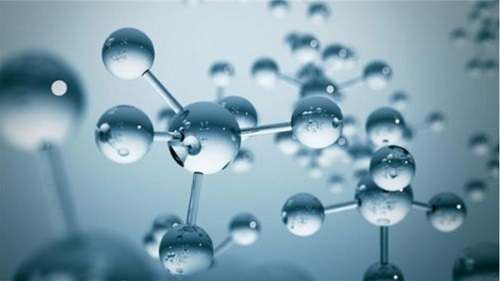
Let’s revisit high school biology: Proteins are made up of amino acids. Peptides sit somewhere between proteins and individual amino acids—they consist of several amino acids but aren’t as large as full proteins.
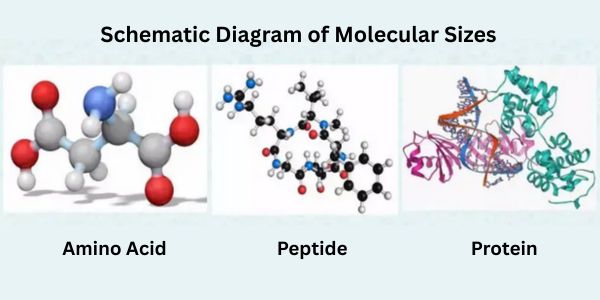
Fig 1. Schematic Diagram of Molecular Sizes: Amino Acid, Peptide, Protein
For example, if amino acids are letters, peptides are words, and proteins are sentences. That helps explain why everything seems to be available in “peptide” form. Theoretically, any protein can be broken down into peptides. Collagen peptides are just small pieces of collagen, and whey protein peptides are just shortened versions of whey protein.
Peptides themselves also come in different sizes: small peptides (oligopeptides) made of 2–10 amino acids, and larger peptides (polypeptides) made of 10–50 amino acids. Anything longer than 50 amino acids is usually considered a full protein with a complete 3D structure.
Types of Peptides
We briefly mentioned one way to classify peptides—by the number of amino acids. That’s the simplest and most straightforward approach. Most peptides you hear about are polypeptides.
Peptides can also be grouped by function, source, or structure.
By Function
This classification focuses on the role peptides play in the body and is common in medicine and supplements. Examples include:
- Hormone peptides: Act as chemical messengers to regulate body functions, like insulin and oxytocin.
- Neuropeptides: Work in the nervous system, such as enkephalins and endorphins.
- Antimicrobial peptides: Part of the immune system, able to kill bacteria, fungi, etc.
- Enzyme peptides: Some peptides act as catalysts.
- Signal peptides: Guide proteins to the right location inside cells.
- Nutritional peptides: Derived from digested or processed proteins, these are easy to absorb and may have antioxidant, blood pressure-lowering, or other benefits (e.g., soy peptides, corn peptides).
By Source
- Endogenous peptides: Made by the body itself, like the hormones and neuropeptides above.
- Animal-derived peptides: Such as collagen peptides (from fish, cow, or pig skin/bones) and bee venom peptides.
- Plant-derived peptides: Like soy peptides and rice peptides.
- Microbial peptides: Produced by bacteria or fungi, often antimicrobial.
- Chemically synthesized peptides: Made in labs (e.g., solid-phase synthesis), commonly used in drug development.
By Structure
- Linear peptides: Amino acids arranged in a straight chain—the most common form.
- Cyclic peptides: The chain forms a ring, often more stable, like some antibiotics (e.g., gramicidin).
Why Peptides Have Value
Peptides may be pricey, but they offer real benefits:
- High absorption efficiency — especially oligopeptides, which are smaller and easier to absorb. Taking peptides directly can skip some digestion steps.
- Purity — Take collagen peptides as an example. While pig trotters or chicken feet contain natural collagen, they also come with a lot of fat. Collagen peptides extract just the collagen, leaving the fat behind.
- Special functions — A small peptide made of certain amino acids can have unique biological effects that individual amino acids don’t. Research in this area is extensive. For example:
|
Peptide Name |
Source |
Key Functions |
|
Synthetic |
Promotes wound healing, collagen synthesis; antioxidant, anti-inflammatory; stimulates hair follicles |
|
|
Milk protein |
Lowers blood pressure (ACE inhibitor), aids sleep, reduces stress, anti-inflammatory, supports immunity |
|
|
Synthetic |
Stimulates collagen types I, IV, VII synthesis, strengthens the basement membrane |
|
|
Fish scales/skin |
Provides raw materials for collagen synthesis, improves skin hydration |
|
|
Bovine tendon/skin |
Supports collagen levels, improves skin elasticity and moisture, benefits joints |
|
|
Chicken or bovine cartilage |
Modulates joint immune response, protects cartilage, eases arthritis symptoms |
Stanford Chemicals Company (SCC) provides the above peptide products. Please contact us for further information.
How to Choose the Right Peptide
With so many peptide products out there, the main differences come down to the protein they’re derived from—different proteins have different amino acid profiles and nutritional values.
For example:
- Whey protein peptides are great for older adults, patients, or fitness enthusiasts as a high-quality protein source with a complete amino acid profile.
- Soy peptides work well for vegetarians.
- Collagen peptides, unless enhanced with functional peptides, aren’t particularly useful as a general protein supplement.
A good rule of thumb: remember what the peptide comes from. A peptide is essentially the same thing as its source protein—just broken down into smaller, more absorbable pieces.