
The global pet care market was valued at $150.67 billion in 2021 and is projected to reach $236.16 billion by 2030, growing at a compound annual growth rate (CAGR) of 5.1% from 2022 to 2030.[1] As pet food and supplies represent essential needs, pet owners will increasingly demand higher standards of safety, quality, and efficacy in the future. That’s where hyaluronic acid, or HA, comes in. It’s one of those ingredients that does a lot with just a little, is easy to add to pet food or products, and is packed with benefits. So it’s no surprise it’s becoming a go-to in the pet care world.
Primary Efficacy of Hyaluronic Acid in Pet-Grade Applications
Just like it works for us, hyaluronic acid can do some pretty great things for pets, too. It helps nourish the skin, keeps their coat shiny and smooth, and even supports bone health.
- Hydration: HA helps lock moisture into the skin and keeps that oil-water balance in check. That means less dryness, less itching, and a coat that actually looks and feels softer and shinier.
- Odor Elimination: You know the "pet odor", a lot of which comes from oil buildup on the skin and fur. By keeping things hydrated and balanced, HA gets to the root of the smell, so your pet stays fresher, longer.
- Bone and Joint Support: HA is a key part of the fluid that cushions the joints. It helps keep everything moving smoothly, which is a huge plus for active pups or older pets dealing with creaky joints.
On top of all that, HA may also offer a little extra protection—think things like helping with minor sun exposure and supporting gut health.
Typical Pet-Grade Hyaluronic Acid Application—Pet Main Food (Staple Diet)

Adding hyaluronic acid to pet staple food can reduce the incidence of bone and joint diseases and alleviate their symptoms. Simultaneously, it can nourish the skin and promote a smooth coat.
Joint and bone issues, as well as dry and rough skin and coat, are common pet health problems. Incorporating hyaluronic acid into pet food allows pets to achieve the following benefits during their regular meals:
- Reduce the occurrence rate of bone and joint diseases or alleviate symptoms of existing joint conditions.
- Increase the moisture content in the skin and coat, resulting in smoother fur.
One study showed that supplementing the basal diet with 0.03% hyaluronic acid significantly improved arthritis in dogs. When the supplementation level reached 0.09%, the test dogs showed remarkable improvement in symptoms of hip arthritis.
New Pet-Grade Hyaluronic Acid Applications
Hyaluronic acid is quickly becoming a big deal in the world of functional pet food—and it's easy to see why. More and more, you'll find it showing up in pet products aimed at joint discomfort, eye health, and cartilage support. And honestly? It’s irreplaceable when it comes to those things.
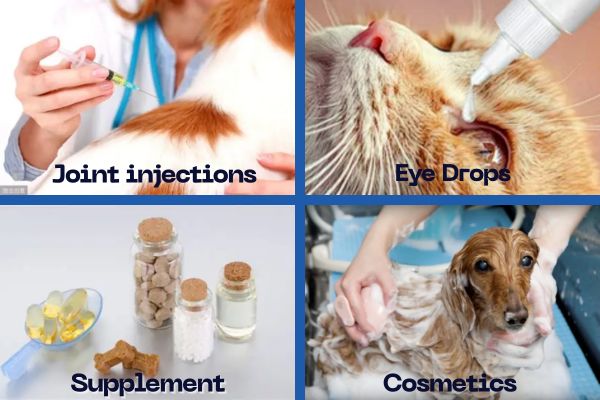
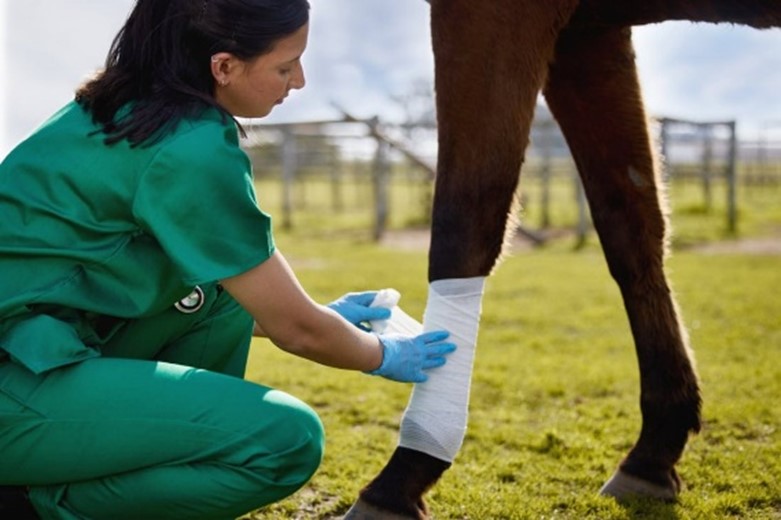
- In the veterinary sector, HA is commonly used in injectable form to treat joint conditions like osteoarthritis, helping to relieve discomfort in aging pets or those with mobility issues.
- In ophthalmology, HA-based eye drops are widely used to lubricate the eyes, relieve symptoms of dry eye, and support the healing of corneal injuries.
- In the supplement industry, HA is incorporated into daily oral formulations to promote skin health, reduce inflammation, and support joint function.
- Additionally, the cosmetics industry has found a niche in pet skin care, where HA is used in shampoos, conditioners, and sprays to hydrate and soothe the skin.
As the pet industry continues to diversify, the versatility of pet-grade hyaluronic acid across these various sectors adds significant value, contributing to the strong expansion of the overall market.
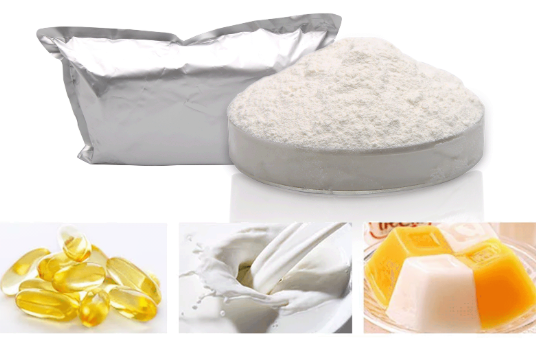
Stanford Chemicals Company (SCC) is a trusted supplier of high-quality hyaluronic acid, offering sodium hyaluronate powder specifically suitable for pet applications.
Frequently Asked Questions (FAQs) about Hyaluronic Acid for Pets
1. What is hyaluronic acid (HA), and is it safe for pets?
Hyaluronic acid actually can be found in your pet’s body, mainly in their joints, eyes, and skin. It’s totally safe. Since it’s naturally occurring, their body recognizes it right away, and the risk of side effects is super low.
2. How does hyaluronic acid help my pet’s joints?
It’s just a big part of that fluid that keeps things moving smoothly. Adding HA to your pet’s routine can help keep their joints comfy, cut down on friction, and ease any aches.
3. Can hyaluronic acid improve my pet’s skin and coat?
Definitely. HA is great at holding onto moisture. Whether they eat it or you use it on their skin, it helps hydrate from the inside out—so dry, itchy skin gets some relief.
4. Does hyaluronic acid really help with pet odors?
Kind of, yeah, in an indirect way. A lot of that "dog smell" actually comes from too much oil on their skin and fur. By helping balance things out and keeping skin hydrated, HA tackles the root cause, so your pup ends up smelling fresher without needing a bath every other day.
5. How can I give hyaluronic acid to my pet?
There are a few easy ways. You can find it in some pet foods (like kibble), in chews or powders, or even in grooming stuff like shampoos and conditioners.
6. Is it actually effective to add HA to my pet’s regular food?
Yes—research backs it up. Studies show that adding a small amount of HA to a dog’s daily food (like 0.03% to 0.09%) can really help with things like arthritis and skin hydration. So it’s not just hype, it works.
7. What kinds of pets can benefit from HA?
Most studies have been done on dogs, but cats can benefit, too. It’s especially helpful for seniors with creaky joints, super active pups who put a lot of miles on their legs, or any pet dealing with dry skin or a dull coat.
8. Are there any side effects?
Not really. HA is super gentle, and side effects are pretty rare. That said, anytime you add something new to your pet’s routine, it’s a good idea to start slow and check in with your vet—just to be safe.