
Arthritis affects hundreds of millions of people around the world. While medication and surgery are go-to options, many patients are also looking for complementary approaches—and dietary supplements have become a big focus. SCC rounded up 10 ingredients backed by solid evidence to help manage arthritis symptoms.
1. Glucosamine
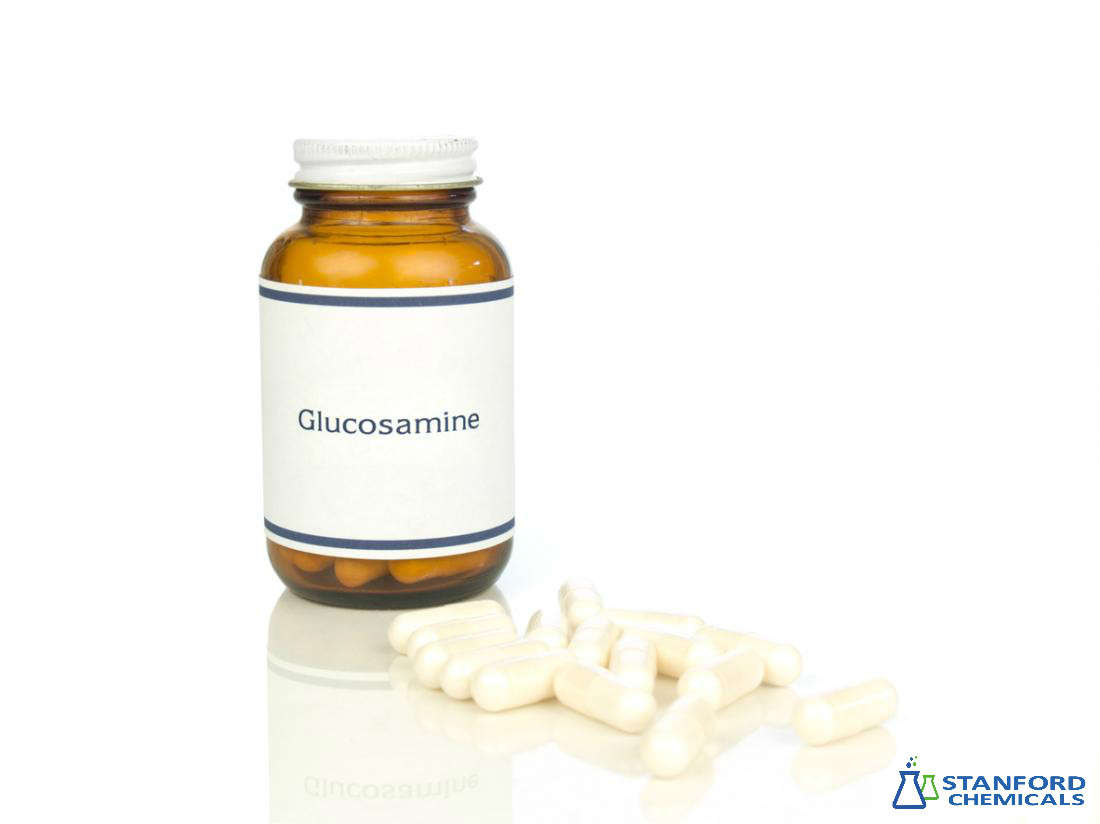
Glucosamine is a building block for joint cartilage. It may help slow down cartilage wear and tear and support joint structure. Your body makes its own glucosamine, but as you age and cartilage breaks down, your local supply might not keep up with repair demands. Taking glucosamine supplements theoretically gives your joints more of the raw materials they need for repair. Some studies also suggest it might put the brakes on matrix metalloproteinases—enzymes that chew up cartilage.
Data from Rotta Research Lab supports taking glucosamine for at least six months to see benefits in mild to moderate knee osteoarthritis.
2. Chondroitin Sulfate
Chondroitin sulfate is one of the most abundant sugar-like molecules in cartilage. Its structure is packed with negative charges that attract water into the tissue, which helps keep cartilage springy and able to handle pressure. It also puts a lid on cartilage-degrading enzymes like collagenase and elastase, offering some protection to joint structures.
Chondroitin is often paired with glucosamine, and the two may work better together. Quite a few large clinical studies show that chondroitin sulfate provides statistically significant pain relief for people with moderate to severe knee osteoarthritis.[1]
3. Oligomeric Hyaluronic Acid
Hyaluronic acid is a key player in joint fluid and cartilage—it lubricates your joints, absorbs shock, and delivers nutrients to cartilage cells. In people with osteoarthritis, both the concentration and molecular weight of hyaluronic acid in joint fluid drop significantly, which directly leads to poorer lubrication and more cartilage damage.[2]
Regular oral hyaluronic acid usually has a molecular weight over a million daltons, which means it can't cross the intestinal wall directly. It has to be broken down by gut bacteria first, so its overall bioavailability is pretty low. Oligomeric hyaluronic acid, on the other hand, is cut down to a few thousand daltons using enzymatic technology, allowing it to be absorbed straight into the bloodstream through the intestinal lining.
This ingredient works in two ways: the absorbed fragments can be used as raw material for joint tissue repair, and they also act as signaling molecules that kick synovial cells into producing more of their own hyaluronic acid.[3]
A 2019 meta-analysis found that taking oral hyaluronic acid (40 to 120 mg per day) for two to three months significantly improved pain scores and joint function in osteoarthritis patients.[4]
4. Curcumin
Curcumin is one of the most studied natural anti-inflammatory compounds out there. It works by dialing down the NF-κB pathway and COX-2 expression, which essentially blocks inflammatory signals at multiple points.[5]
Multiple randomized controlled trials show that standardized, highly bioavailable curcumin extracts are just as effective as ibuprofen and other NSAIDs for reducing pain in osteoarthritis—but with way fewer stomach issues.[6] It's a solid option for arthritis patients with a strong inflammatory component, including both osteoarthritis and rheumatoid arthritis.
One catch: regular curcumin has terrible absorption. That's why many products add piperine (black pepper extract), which can boost bioavailability by up to 2,000%.[7]
5. Omega-3 Fatty Acids
The EPA and DHA in omega-3s are natural antagonists to pro-inflammatory compounds like prostaglandin E2 and leukotriene B4. They compete with arachidonic acid in the metabolic pathway, cutting down production of key inflammatory cytokines like TNF-α, IL-1β, and IL-6.[8]
In rheumatoid arthritis, the evidence for omega-3s is especially strong. Multiple meta-analyses show that omega-3 supplementation can significantly cut morning stiffness, reduce tender joint counts, and lower NSAID use. Osteoarthritis patients with noticeable inflammation may also benefit.[9]
6. Vitamin D
Vitamin D doesn't get enough credit for its role in arthritis. Beyond keeping calcium and phosphorus in check and maintaining bone health, it's also a key immune regulator that's involved in both innate and adaptive immunity.
In osteoarthritis, maintaining healthy vitamin D levels helps protect the subchondral bone, which indirectly slows down joint degeneration.[10]
7. Methylsulfonylmethane (MSM)
MSM is a naturally occurring organic sulfur compound, and sulfur is a crucial ingredient for making collagen and glycosaminoglycans, the structural backbone of joint cartilage and connective tissue. Having a good supply of sulfur supports normal metabolism and repair in those tissues.
Several clinical studies show that MSM can reduce pain and improve joint function in osteoarthritis patients, especially when combined with glucosamine.[11] It's generally very safe and works well as part of a supportive joint care routine.
8. Hydrolyzed Type II Collagen
Type II collagen is the main collagen found in joint cartilage, making up about 60% of its total protein.[12] Hydrolysis breaks the natural collagen down into low-molecular-weight peptides that are easier for the gut to absorb.
There are two main ideas about how oral hydrolyzed type II collagen works:
First, it provides raw material—absorbed collagen peptides can be reused by cartilage cells to build new collagen fibers.
Second, there's the immune route. Some researchers believe oral collagen may trigger oral immune tolerance, which helps dial down the body's immune attack on its own cartilage antigens—potentially relevant for rheumatoid arthritis.[13]
9. Avocado–Soybean Unsaponifiables (ASU)
ASU is a mix of unsaponifiable fats extracted from avocado and soybean oils, blended at a 1:2 ratio. It's widely used in Europe and is one of the better-studied plant-based extracts in joint health.
A three-year randomized controlled trial found that taking 300 mg of ASU daily significantly slowed the progression of joint space narrowing in knee osteoarthritis patients.[14] ASU takes a while to kick in—you need to take it consistently for several months to see results. If you're allergic to soy, make sure to check whether the product has removed allergenic proteins.
10. Ginger Extract
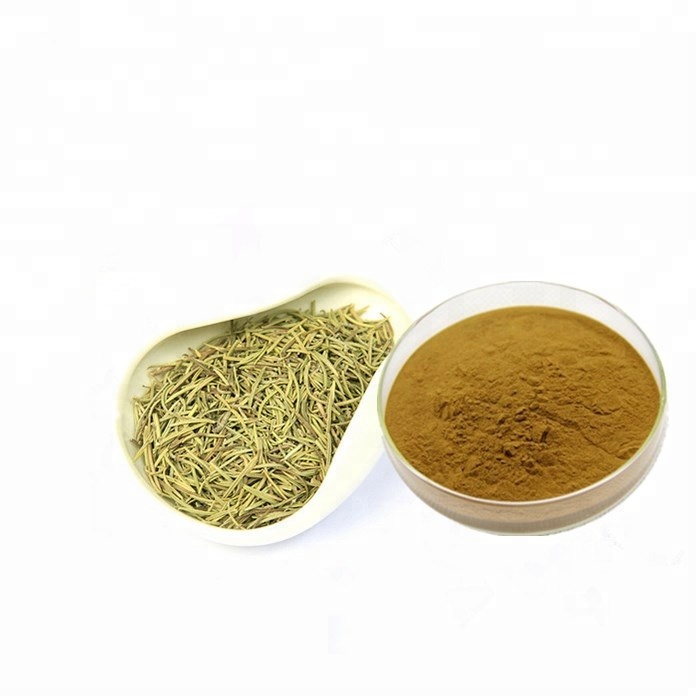
Ginger has a long history of medicinal use, and its arthritis-fighting effects come mainly from gingerols and shogaols. Gingerol inhibits both COX-2 and 5-LOX inflammatory pathways at the same time—which sets it apart from single-target anti-inflammatories that only hit COX-2. Ginger extract also has antioxidant properties that help reduce oxidative stress in the joint.
Frequently Asked Questions
Which works best—glucosamine, chondroitin sulfate, or oligomeric hyaluronic acid?
Glucosamine provides the basic building blocks for cartilage repair, making it a solid foundation for long-term osteoarthritis care. Chondroitin focuses more on water retention and structural protection—so if you have significant joint space narrowing or advanced cartilage loss, it might be more targeted. Oligomeric hyaluronic acid covers both lubrication and cartilage synthesis, making it a good fit if you're dealing with stiffness and reduced mobility.
For most osteoarthritis patients, the classic glucosamine-plus-chondroitin combo is the most cost-effective baseline choice. If your budget allows, you can add oligomeric hyaluronic acid on top, or go with a triple-combo product.
Why choose oligomeric hyaluronic acid?
Oligomeric hyaluronic acid uses enzymatic processing to bring molecular weight down to a few thousand daltons, allowing direct absorption through the intestinal wall. Once absorbed, the fragments can either serve as raw material for joint metabolism or act as signals that stimulate synovial cells to ramp up natural HA production. So for patients who want to avoid injections and improve joint function orally, oligomeric HA makes more biological sense.
Is oral HA or injected HA better?
Injections deliver high-molecular-weight HA directly into the joint space, giving you a super-high local concentration and fast relief. That's great for moderate-to-severe arthritis or when conservative treatments aren't cutting it—but it's invasive and pricey. Low-molecular-weight oral HA, on the other hand, gets absorbed through the gut and reaches joints via the bloodstream. It takes longer to work, but it's a better fit for mild-to-moderate cases as a long-term maintenance option, or as follow-up support after injection therapy. They're really complementary choices for different stages and needs.
To learn more about joint health ingredients, visit Stanford Chemicals Company (SCC).