
Compared to regular industrial or cosmetic-grade hyaluronic acid, the key differences with equine HA powder come down to three things: stricter biological sourcing, higher purity standards, and specific molecular weight requirements. These factors directly affect both safety and effectiveness.
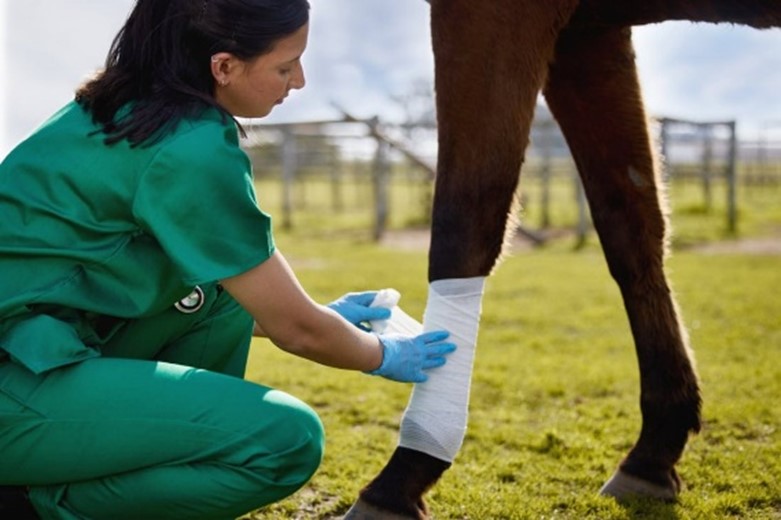
Biological Source of Equine Hyaluronic Acid Powder
This is the biggest difference. Equine HA usually comes from specific bacterial strains and is produced under pharmaceutical-grade cleanliness.
Most equine HA is extracted from Streptococcus equi—a bacterium primarily associated with horses. This "same-species" source lowers the risk of immune rejection across species, which is why it's the top choice for medical-grade use. Cosmetic-grade ingredients, on the other hand, may use different bacterial strains or non-microbial fermentation sources. Their biosafety standards just aren't on the same level.
High Purity Requirements of Horse Hyaluronic Acid Powder
Equine HA powder has very strict purity standards. Protein residue must be below 1%, and other impurities like nucleic acids are tightly controlled. That's because high-purity HA products—especially those used for joint injections—need to be as free as possible from proteins and nucleic acids that could cause adverse reactions. Regular oral supplements or cosmetic-grade ingredients usually have much lower purity requirements.
Molecular Weight of Equine Hyaluronic Acid Powder
Equine HA raw materials have clear molecular weight specifications, and these vary depending on how the product will be used.
Different molecular weights for different uses (injections, oral supplements). For example:
- Ultra-high molecular weight: 1,750–2,000 kDa
- High molecular weight: 1,500–1,800 kDa
- Low molecular weight: 10–30 kDa
In healthy horse joints, the average molecular weight of HA in synovial fluid is typically in the 2,000–3,000 kDa range. That's why ultra-high molecular weight products are often used for joint injection therapy.
Conclusion
The real difference between equine HA powder and regular industrial or cosmetic-grade HA comes down to one thing: equine HA is held to strict standards for biomedical use. That means a specific biological source, extremely high purity, and targeted molecular weights. These features together determine the product's safety, biocompatibility, and potential effectiveness. It's a professional-grade veterinary ingredient—not just another supplement additive.
Stanford Chemicals Company offers standard HA raw materials for horses and pets, covering injection-grade and pharmaceutical-grade options, with customized molecular weights available. For product inquiries, feel free to reach out. GET A QUOTE
FAQ
1. What specific benefits does hyaluronic acid offer for horse joint health?
HA is a major component of joint synovial fluid. It lubricates joints, cushions impact, reduces inflammation, and supports cartilage repair. All of this helps improve joint health and overall quality of life for horses.
2. When it comes to injectable equine HA powder, is higher molecular weight always better?
Not necessarily. It depends on the treatment goal. Healthy horse joints do have mostly high-molecular-weight HA (2,000–3,000 kDa), so injectable products often use that range to mimic natural conditions. But low-molecular-weight HA (like 10–30 kDa) has been shown in some studies to have stronger pro-angiogenic or immune-modulating effects, which might be more beneficial during certain stages of inflammatory repair.
3. Is HA from Streptococcus equi better than non-animal-derived HA?
Chemically, they're the same. But in veterinary use, S. equi-derived HA has a biocompatibility edge. Its structure closely matches the HA found in horse joint fluid, so theoretically, it carries a lower risk of immunogenicity (triggering an immune response). That's why it's the preferred strain for medical-grade and high-spec veterinary products.
4. Does injectable HA have side effects?
Some studies show that intra-articular HA injections can cause mild to moderate inflammation, sometimes with lameness and joint swelling. Higher molecular weight formulations may trigger more noticeable reactions. Always use under veterinary guidance.