
Hyaluronic acid (HA) and its salt form, sodium hyaluronate, are naturally occurring linear mucopolysaccharides found in the human body. Thanks to their impressive moisturizing, lubricating, and biocompatible properties, they’ve long been a staple in skincare and aesthetic medicine. But in recent years, with the global functional food market taking off, food-grade HA is quickly finding its way into a much wider range of everyday products. Right now, it really shines in four main areas.
1. Hyaluronic Acid for Food & Culinary Use
In cooking, HA’s superpower comes down to its physical properties as a high-molecular-weight mucopolysaccharide. Food-grade HA (with a molecular weight of ≥1000 kDa) forms a hydrophilic gel network that can hold up to 1,000 times its own weight in water. In meat dishes, that means less moisture and fewer water-soluble nutrients are lost during cooking. In soups and broths, it can help trap suspended particles, giving you a clearer, cleaner liquid.
Flavor-wise, studies suggest HA can actually make umami receptors more sensitive to monosodium glutamate (MSG)—so you can cut salt by at least 10% without sacrificing that savory taste.[1]
On the market, some seasoning brands have already rolled out HA-based liquid condiments that are salt-free and preservative-free. In food service, marinades blended with HA can reduce thawing drip loss in meat from about 15% to under 5%.[2]
Pure Food-Grade Hyaluronic Acid Powder Middle Molecular Weight 800-1,600 KDa (HAF-M-SC)
2. Hyaluronic Acid for Pet Nutrition
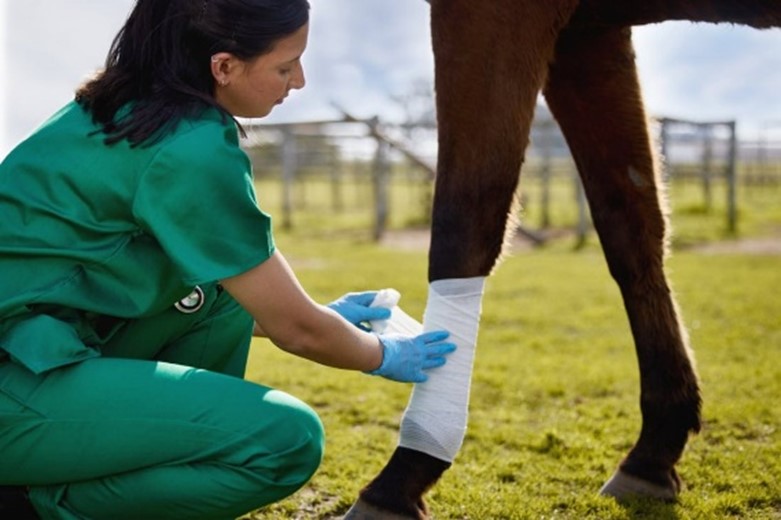
Since HA is a natural component of joint fluid and skin tissue in animals, it’s a no-brainer for functional pet foods.
Veterinary research shows[3] that adding 0.03% HA to senior dog food improves joint mobility by 20% and reduces pain-related behaviors by 35% after just eight weeks. When combined with glucosamine, the effects are even stronger. In cats, a diet with 0.05% HA for eight weeks boosted skin hydration by 18%, cut hair breakage by 22%, and even increased the abundance of beneficial gut bacteria.[4]
3. Hyaluronic Acid Targeted Gut Health Support
By fine-tuning molecular weight and dosage, HA is now being used to support gut health in a more targeted way.
In animal studies, a 2020 paper published in Pediatric Research used a mouse model of necrotizing enterocolitis (NEC) and found that oral 35 kDa HA (HA35) upped the expression of tight junction proteins like claudin-2, -3, -4, occludin, and ZO-1. That helped reduce gut permeability and bacterial translocation, lowered pro-inflammatory cytokines, and ultimately improved survival and reduced intestinal damage in the young mice.[5]
On the human safety side, a 2024 pilot study with 20 healthy volunteers showed that taking 140 mg of 35 kDa HA daily for seven days was well tolerated—no serious side effects, and no notable changes in metabolic function, inflammatory markers, or gut microbiome composition over the 28-day observation period.[6]
Sodium Hyaluronate for Gut Health (UltraHA-GI-001)
4. Hyaluronic Acid for Bakery & Functional Snacks
Thanks to its viscoelastic and moisture-retaining properties, HA can tackle both texture and nutrition challenges in processed foods.
In baking trials, adding HA to whole-wheat bread helped keep it moist longer and smoothed out the coarse texture that whole-grain flours often bring. In freeze-dried snacks, even a tiny amount of HA forms a protective layer that helps preserve vitamin C. What's more, when HA is combined with collagen peptides and vitamin C, the three ingredients work synergistically to promote fibroblast proliferation in the skin.
→ Type II Collagen Peptide Biovivid-CP
Conclusion
Food-grade hyaluronic acid is evolving far beyond its skincare roots into a versatile functional ingredient across multiple categories. It helps cut salt and lock in flavor in cooking, supports joint health in pets (whether through injections or dietary intake), offers potential gut-barrier benefits, and improves texture and processing performance in baked goods and dairy. As research in the functional food space keeps moving forward, there’s no telling how far HA’s reach will go.