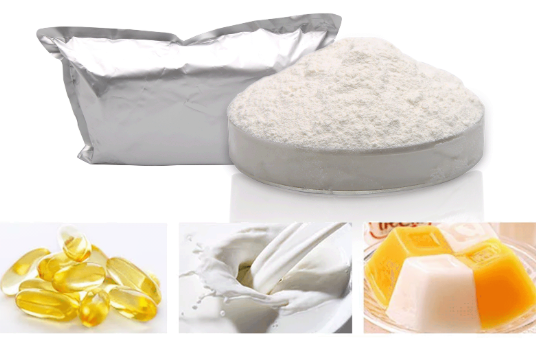

Sodium hyaluronate—a naturally occurring polysaccharide in the human body—is widely used across cosmetics, food and health products, and medical devices, thanks to its exceptional moisturizing, lubricating, and reparative properties. Among its various forms, high-molecular-weight sodium hyaluronate powder has drawn particular attention from formulators and procurement professionals due to its unique film-forming and surface-hydrating characteristics.
However, with a vast array of products on the market and considerable variation in quality levels, buyers often encounter numerous questions during the sourcing process. To help you make more informed purchasing decisions, we have systematically compiled the seven core questions that buyers care about most.
Product Specifications of High-Molecular-Weight Sodium Hyaluronate Powder
1. What exactly does "high molecular weight" mean? Which molecular weight should I choose?
This is the most critical question, as molecular weight directly determines the end-use application and performance of the product.
First and foremost, you should confirm with the supplier the specific numeric range for their "high molecular weight" designation. Products on the market vary considerably in this regard. For example, Stanford Chemicals Company (SCC) offers a food-grade high-molecular-weight sodium hyaluronate product (HAF-H-SC) with a molecular weight of >1,800 kDa, while its cosmetic-grade product (HAC-L-SC) provides a range of 100–1,000 kDa (typically 800 kDa). These numerical differences translate into substantially different performance profiles.
High-molecular-weight sodium hyaluronate molecules are too large to penetrate deeply into the skin; instead, they form a protective film on the skin's surface, delivering intense hydration and reducing moisture evaporation. In contrast, low-molecular-weight products (e.g., 200–600 kDa) can penetrate into deeper skin layers, promoting dermal metabolism and repair. Before purchasing, you should clearly define whether your application requires surface film-forming hydration or deeper metabolic repair, and select the corresponding molecular weight grade accordingly.
Read more: High vs. Low Hyaluronic Acid: How Molecular Weight Affects the Efficacy
2. Does high-molecular-weight sodium hyaluronate powder contain preservatives or other additives?
Some suppliers offer sodium hyaluronate powder as a pure HA powder without added preservatives—which is inherently a positive attribute, as it indicates higher purity.
High-quality raw-material-grade products typically have a sodium hyaluronate content of ≥91.0%, are derived from microbial fermentation, are non-animal-origin, and are non-GMO. Buyers should pay close attention to these purity indicators when making a purchase.
3. Does SCC support customization and procurement in different pack sizes?
Flexibility in procurement is another key concern for buyers.
Stanford Chemicals Company (SCC) generally offers a range of packaging options, from gram-sized samples to hundred-gram and even kilogram quantities, to accommodate the varying needs of R&D, pilot-scale trials, and full-scale production.
SCC also provides customized molecular-weight sodium hyaluronate products. Clients can request specific molecular-weight ranges tailored to their formulation requirements—including a complete product portfolio spanning high molecular weight (>1,800 kDa), medium molecular weight (800–1,600 kDa), low molecular weight (200–600 kDa), and even ultra-low molecular weight (<5 kDa).
Product Quality of High-Molecular-Weight Sodium Hyaluronate Powder
4. What are the purity and grade of the product? What applications is it suitable for?
You will find that products on the market are available in different grades, and it is essential to ensure that the chosen grade meets your specific usage requirements.
Sodium hyaluronate can be classified into several grades, including food grade, cosmetic grade, eye-drop grade, and injectable grade. These grades differ significantly in their impurity control standards.
For instance, in terms of microbiological limits, food-grade products typically require a total bacterial count of ≤500 cfu/g, whereas injectable-grade products must meet sterility standards and have an endotoxin level of ≤0.05 IU/mg. If your procurement purpose is to manufacture cosmetics or pharmaceutical products, you must confirm with the supplier whether the product complies with the relevant regulations and standards.
Read more: Medical-Grade vs. Injectable-Grade Sodium Hyaluronate: Which Has Stricter Requirements
5. How can I assess product quality? Are there any simple testing methods?
Buyers may not have access to professional laboratory equipment and therefore seek some practical, hands-on preliminary assessment methods.
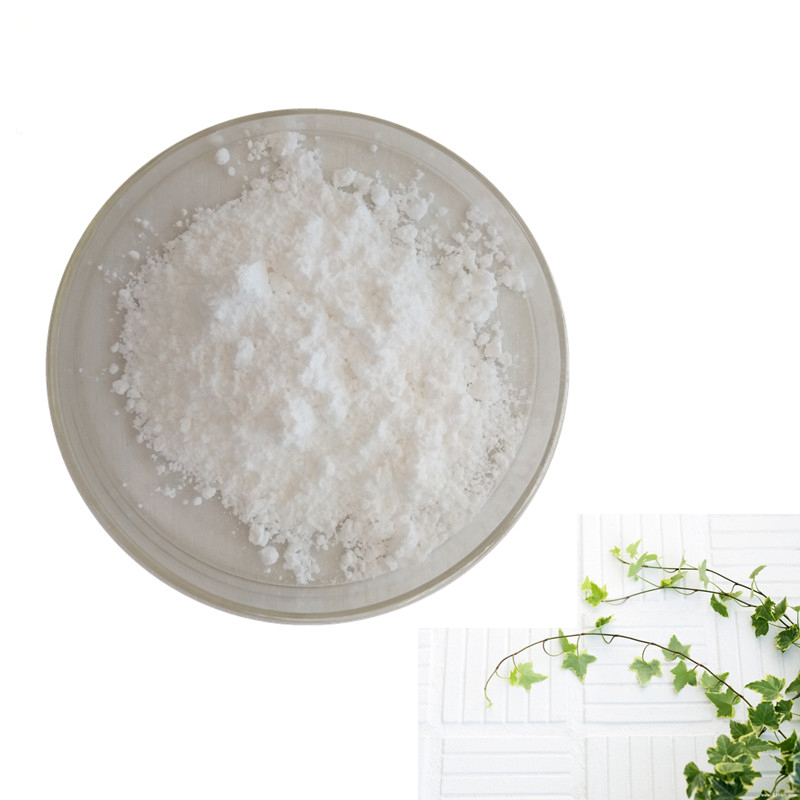
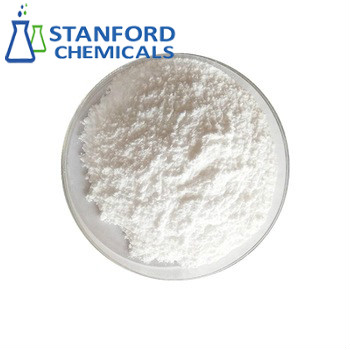
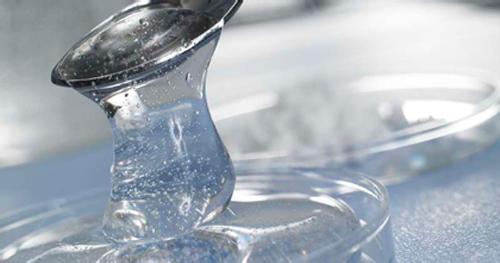
- Appearance and Solubility: High-quality high-molecular-weight HA powder should appear as a white or off-white fibrous or powdery solid, free from visible impurities. When dissolved in water, it should form a transparent, viscous gel without particles or sediment, with the dissolution process being relatively slow.
- Odor and Impurities: A qualified product should have no peculiar irritating odor or off-notes.
6. Can you provide batch-consistent COA and analytical data?
For formal procurement, batch-to-batch consistency and traceability of product quality are of paramount importance.
Buyers should request a Certificate of Analysis (COA) and relevant batch retention samples from the supplier. This is not only to verify product purity (CAS No. 9067-32-7) but also to ensure comparability of results across different batches.
A complete COA should list all key specifications, including: appearance, pH (typically 6.0–8.0 for a 5 mg/mL solution), protein content (≤0.1%), heavy metals (≤20 ppm), arsenic (≤2 ppm), sodium hyaluronate content (≥91.0%), glucuronic acid content (≥44.0%), and comprehensive microbiological limit test results. Batch-to-batch consistency directly impacts the quality stability of the final product.
Storage and Stability of High-Molecular-Weight Sodium Hyaluronate Powder
7. How should it be stored? How stable is the product?
Storage and stability conditions for high-molecular-weight sodium hyaluronate powder directly affect its shelf life and performance. Most products are recommended to be stored under refrigerated conditions at 2–8°C, with a typical shelf life of 2–3 years. Once the powder is formulated into a solution, its stability decreases significantly. It is advisable to aliquot the solution into separate portions for storage and to avoid repeated freeze-thaw cycles.