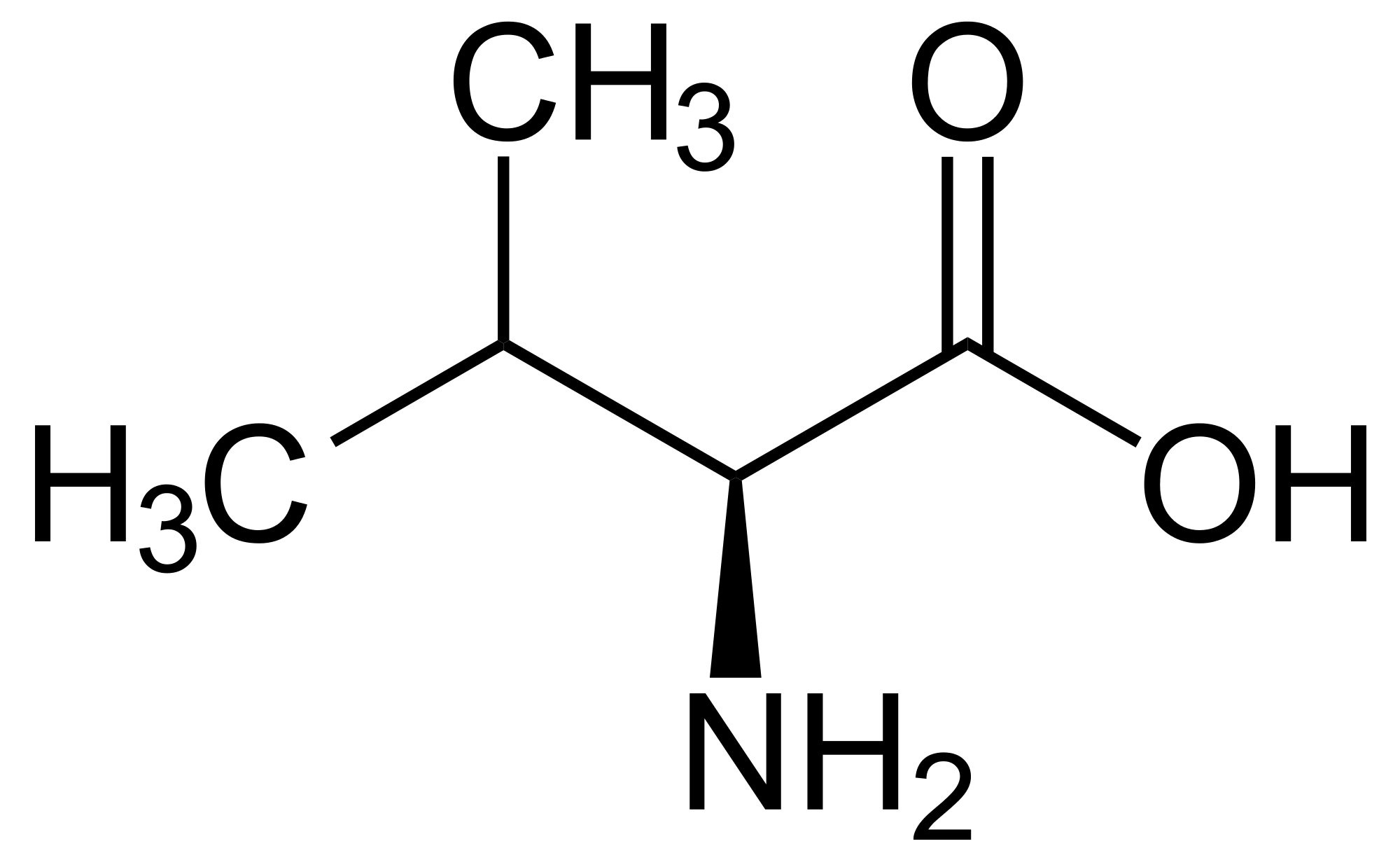

L-Valine is one of the eight essential amino acids that the human body cannot produce on its own. It belongs to the branched-chain amino acid (BCAA) family, alongside leucine and isoleucine. Together, they play essential roles in protein synthesis, tissue repair, energy production, and nitrogen balance.
Why Is L-Valine Important for the Body?
The fact that L-valine is "essential" says a lot about its importance. As a BCAA, it works together with leucine and isoleucine to support normal growth, repair tissues, regulate blood sugar, and provide energy.
Here's how it works at a mechanistic level:
- Contributes to Muscle and Tissue Health – L-valine supplies additional energy to muscles, particularly during heavy exercise. It also prevents the degradation of muscles through its production of glucose. Furthermore, it is one of the components of protein synthesis and tissue healing processes.
- Involved in Nitrogen Elimination and Energy Provision – It aids in the elimination of unnecessary nitrogen within the liver and distributes the required nitrogen throughout the body to ensure the stability of nitrogen balance. It can also act as an energy source when needed.
- Aids in Immune and Nervous System Maintenance – Valine helps in the development of T-cells in bone marrow and regulates metabolism within normal limits. Moreover, it is necessary for proper development in infants and nitrogen balance in adults.
- Involved in Regulation of Metabolic Processes – Valine acts as a specific ligand for HDAC6, thus participating in DNA demethylation and repair. It can also inhibit the activity of mTOR through increased expression of 4E-BP1 and Sestrin2.
L-valine is also used in specific medical settings—for example, patients with liver failure often receive valine-containing injections because their blood BCAA levels are low.
How Do You Get L-Valine?
Since the body can't make L-valine, you have to get it from food. Natural sources include:
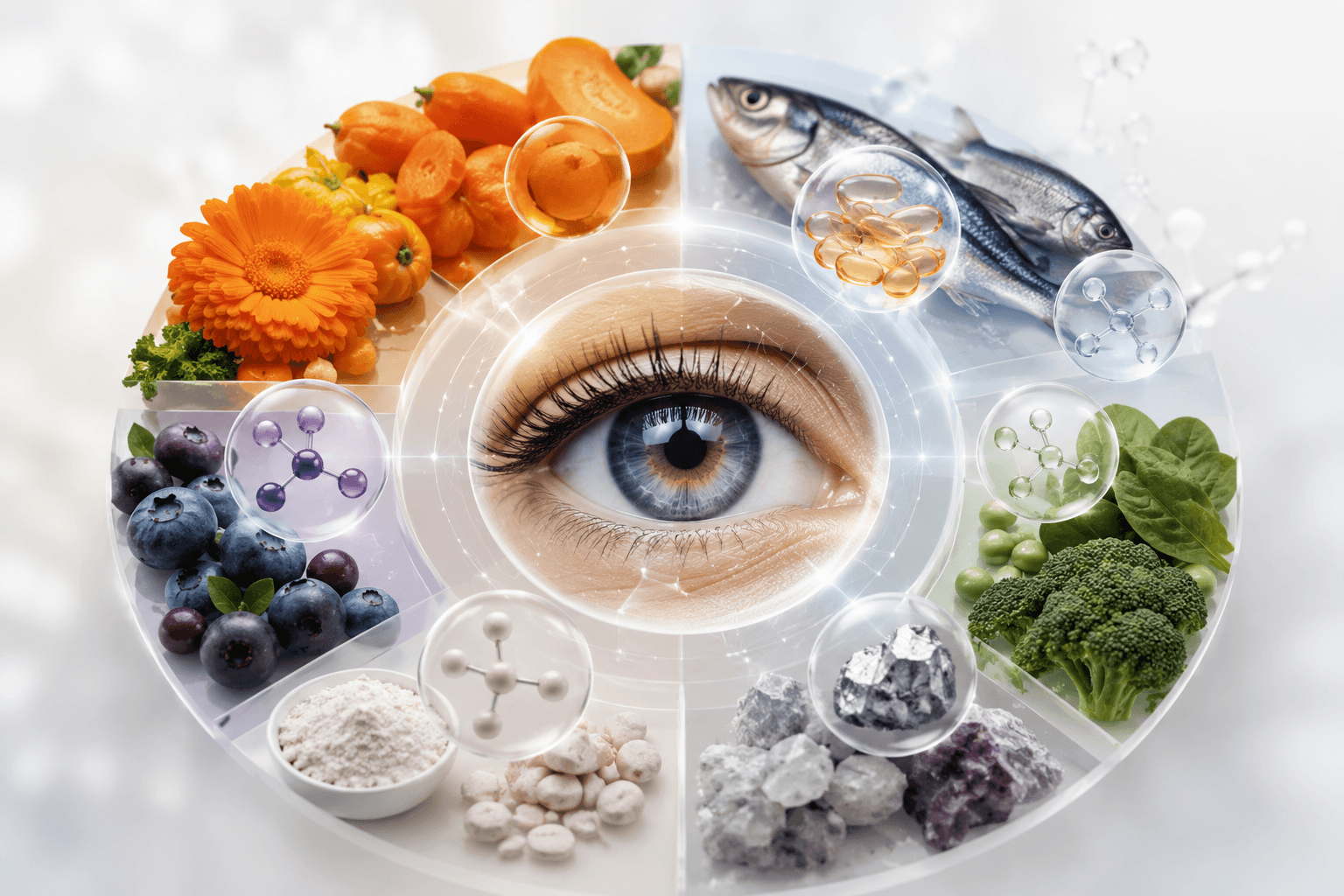
- Animal sources: Cottage cheese, fish, poultry, and meat
- Plant sources: Grains, dairy products, mushrooms, peanuts, soy protein, sesame seeds, lentils, and pearl barley
For people with dietary restrictions—or for athletes and post-surgery patients—supplements or Foods for Special Medical Purposes (FSMP) can help fill the gap. The recommended daily intake for adult males is roughly 10 mg per kg of body weight.
What Happens When You Don't Get Enough L-Valine?
When L-valine intake is too low, your body gives clear signals. Deficiency can affect growth and lead to nervous system disorders and anemia.
More specifically, it may cause:
- Nervous system issues like tremors and ataxia (loss of coordination)
- Cognitive decline
- Liver dysfunction—advanced cirrhosis patients often have low BCAA levels in their blood
- Growth stunting and weight loss
What's the Difference Between L-Valine and Regular Valine?
In nutrition and pharmacology, "L-valine" and "regular valine" are not the same thing.
Amino acids exist in two mirror-image forms: L-form (levorotatory) and D-form (dextrorotatory). The valine found in natural proteins—and the one your body can actually use—is L-valine. Studies show that L-valine is about twice as effective as D-valine in terms of physiological activity.
That's why in pharmaceuticals, food, and supplements, products labeled "L-valine" are the bioactive form. When you see "valine" without a prefix, it's generally assumed to be the L-form—because D-valine has almost no nutritional value in humans.
How Is L-Valine Produced?
The mainstream method for industrial production is microbial fermentation. It's cost-effective, efficient, and operates under mild conditions.
Key production strains and yields:
- E. coli: Through metabolic engineering (e.g., knocking out competing pathway genes like ldhA, poxB, pflB, frdA, pta, and optimizing cofactor balance), yields in a 5L bioreactor with a two-stage dissolved oxygen control strategy can reach 86.44 g/L within 26 hours. The sugar-to-acid conversion rate is 44.08%, with a productivity of 3.32 g/(L·h).
- Klebsiella: By blocking byproduct pathways and overexpressing key genes in the L-valine synthesis pathway, this strain also shows strong industrial potential.
What Are the Applications of L-Valine?
Thanks to its physiological importance and mature production process, L-valine has found use across multiple industries:
1. Pharmaceuticals
- A key component in compound amino acid infusions and formulas
- Used in nutritional support for liver disease, trauma, and post-surgery recovery
- Serves as a research tool in anticancer studies
2. Food and Nutrition
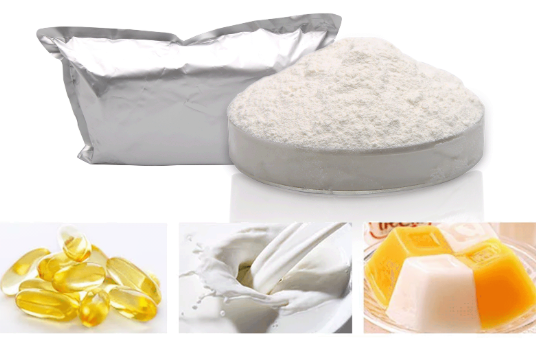
- Sports nutrition supplements for muscle recovery
- Foods for Special Medical Purposes (FSMP)
- Infant formula fortification
- Food additives—at about 1 g/kg, L-valine adds a distinctive sesame-like aroma to bread and rice-based pastries
3. Feed Additives
- Used in livestock and aquaculture feed to improve growth performance, immunity, and meat quality
4. Biochemical Research
- A component of cell culture media
- Used as a reagent in protein structure and metabolism studies
- A tool for studying enzyme thermostability
Summary
L-valine is an essential branched-chain amino acid that the body cannot synthesize by itself. It is necessary for muscle repair, nitrogen balance, immune support, and proper functioning of the nervous system. It is present in several foods naturally and can also be synthesized in large quantities through microbial fermentation. Whether you look at medicine, the food industry, sports supplements, or animal nutrition, L-valine is much more than just an ordinary nutrient.