
Food ingredients that help relieve visual fatigue can be divided into six main categories based on their type: carotenoids, polyunsaturated fatty acids, vitamins, minerals, amino acids, and secondary metabolites.
Carotenoids
The carotenoid ingredients commonly used to relieve visual fatigue include beta‑carotene, lutein, and zeaxanthin. Beta‑carotene is a type of carotenoid and an important dietary source of vitamin A. The human body cannot synthesize carotenoids on its own, so they must be obtained through food.
Lutein and its isomer zeaxanthin are the only dietary carotenoids that accumulate in the retina, specifically in the macula. They are components of the macular pigment and help protect the macula from light‑induced oxidative damage while enhancing visual function.
Lutein absorbs blue and violet light, which helps shield the retina from damage caused by blue light and UV radiation. It also acts as an important antioxidant in the eye, scavenging free radicals across multiple ocular structures. In addition, lutein replenishes macular pigment and plays a role in both preventing and treating age‑related macular degeneration.
Zeaxanthin also plays a key role in preventing macular degeneration. Much like lutein, it works through its antioxidant activity and its ability to absorb high‑energy blue light, helping to prevent damage from occurring in the first place.
We've covered the value of lutein and zeaxanthin in more detail in a previous article—if you're interested, check it out: Eye Health Ingredients Compared: Can Zeaxanthin and Lutein Replace Each Other?
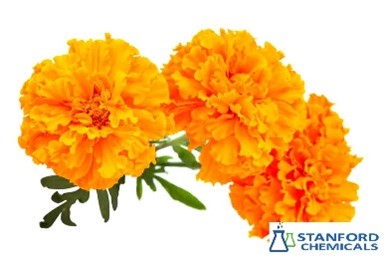
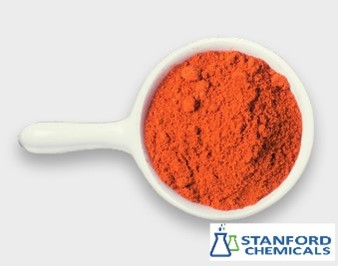
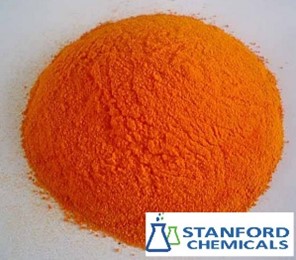
Lutein Zeaxanthin Beta Carotene
Polyunsaturated Fatty Acids
A deficiency in omega‑3 polyunsaturated fatty acids puts you at higher risk for a range of eye conditions, including dry eye syndrome, retinitis pigmentosa, and glaucoma. Supplementing with omega‑3s can help alleviate and prevent these issues.
Omega‑3 polyunsaturated fatty acids are not only fundamental building blocks of cell membranes but also precursors for a variety of bioactive substances. They have anti‑inflammatory, antioxidant, antiproliferative, and anti‑angiogenic properties. The key ones include EPA, DHA, ALA, and DPA. DHA, in particular, is the major fatty acid found in retinal phospholipids. It influences rhodopsin content in the optic disc and light response, and it plays an essential role in maintaining and repairing retinal function, promoting the differentiation of photoreceptor cells in the three‑dimensional neural retina, and reducing visible light‑induced oxidative stress and inflammatory damage.
Omega‑3s also help raise HDL cholesterol levels, which supports the transport of lutein to the macula. They can also interact with lutein‑binding proteins to increase macular pigment density, which helps effectively prevent or delay the onset and progression of macular degeneration.
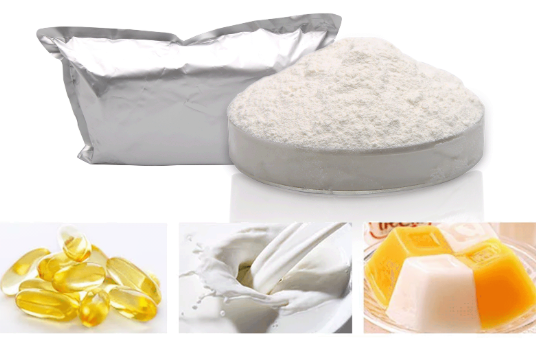
Getting omega‑3s from external sources is beneficial for eye health. However, since the human body can't synthesize them on its own, you need to get them through foods or supplements that contain omega‑3 fatty acids—such as fish oil and flaxseed oil.
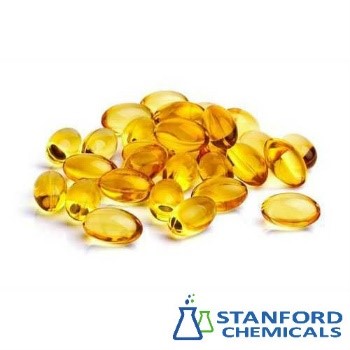
Fish Oil, omega-3 fatty acids Flaxseed Extract Powder
Vitamins
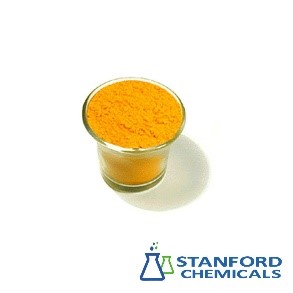
Vitamin A is currently the most commonly used vitamin ingredient for relieving visual fatigue. Also known as retinol, vitamin A is involved in visual phototransduction and is a critical component of photopigments, which are the first molecules to convert photons into electrical signals. A deficiency in vitamin A in the retina can, on one hand, impair rod cell function and lead to night blindness, and on the other hand, affect cone cell function and compromise daytime vision, both of which contribute to visual fatigue. That's why vitamin A is an essential micronutrient for maintaining normal vision.
Minerals
Mineral ingredients used to relieve visual fatigue include zinc lactate, zinc gluconate, and selenium‑enriched yeast.
Zinc is found at its highest concentrations in the eye, particularly in the retina‑choroid complex. The retinal pigment epithelium holds the most zinc, followed by the retina itself. Studies have shown that supplementing with appropriate amounts of zinc is important for protecting the retina against light‑induced damage and oxidative stress.
Selenoproteins are fundamental to embryonic development and human metabolism. The eye contains relatively high amounts of selenium—the retina has about 7 μg of it. Trace amounts of selenium help the pupil contract quickly, which makes the lens rounder and reduces the amount of intense light and radiation entering the eye. This helps protect the central retina and prevent damage to the optic nerve.
Amino Acids
Amino acids are the basic building blocks of ocular tissues and proteins, and they play a role in tissue metabolism and repair within the eye. Taurine and glutamine are the two most researched amino acids in this context.
Taurine is a unique non‑protein amino acid. It's widely present in the central nervous system and the retina, where it accounts for nearly 50% of the free amino acid pool, and it promotes retinal differentiation and development. Glutamic acid is a major contributor to retinal ganglion cell damage. Taurine helps improve retinal injury by reducing glutamate‑induced excitotoxicity.
Photoreceptor cells in the retina have extremely high energy demands, and glutamine is one of the key nutrients that supports their normal metabolism and survival.
Taurine Powder L-Glutamine Powder
Secondary Metabolites
Several secondary metabolites also play a meaningful role in relieving visual fatigue. Extracts from bilberry, blueberry, grape seed, and tea are rich in anthocyanidins, proanthocyanidins, anthocyanins, and tea polyphenols, all of which are effective for eye health.
- Anthocyanidins are water‑soluble natural pigments that give fruits like blueberries and bilberries their reddish‑purple color. They have antioxidant properties.
- Anthocyanins are the stable forms formed when anthocyanidins bind with sugars. In nature, anthocyanidins mostly exist as anthocyanins.
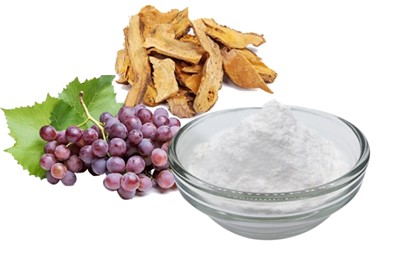
- Proanthocyanidins are polyphenolic compounds that are colorless on their own. They are mainly found in grape seeds and pine bark and can be converted into anthocyanidins under certain conditions. Their antioxidant capacity is generally considered to be even stronger.
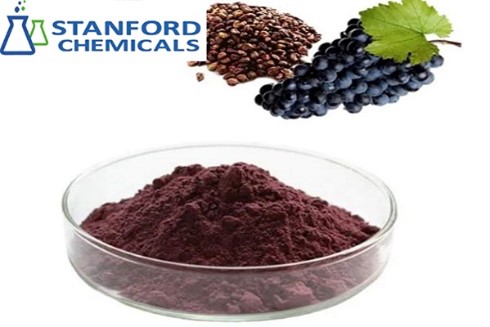
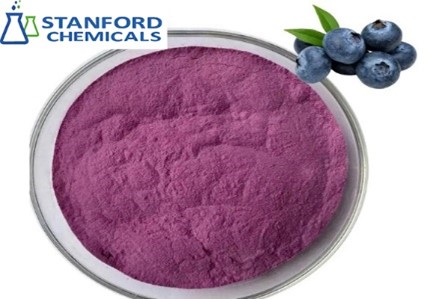
Grape Seed Extract Blueberry Extract
Conclusion
In short, each of these six ingredient categories plays a unique role in protecting and supporting vision. A well‑balanced formula that draws from multiple groups tends to deliver the best results. And when it comes to sourcing these ingredients, Stanford Chemicals Company (SCC) is a partner you can count on for quality and reliability.