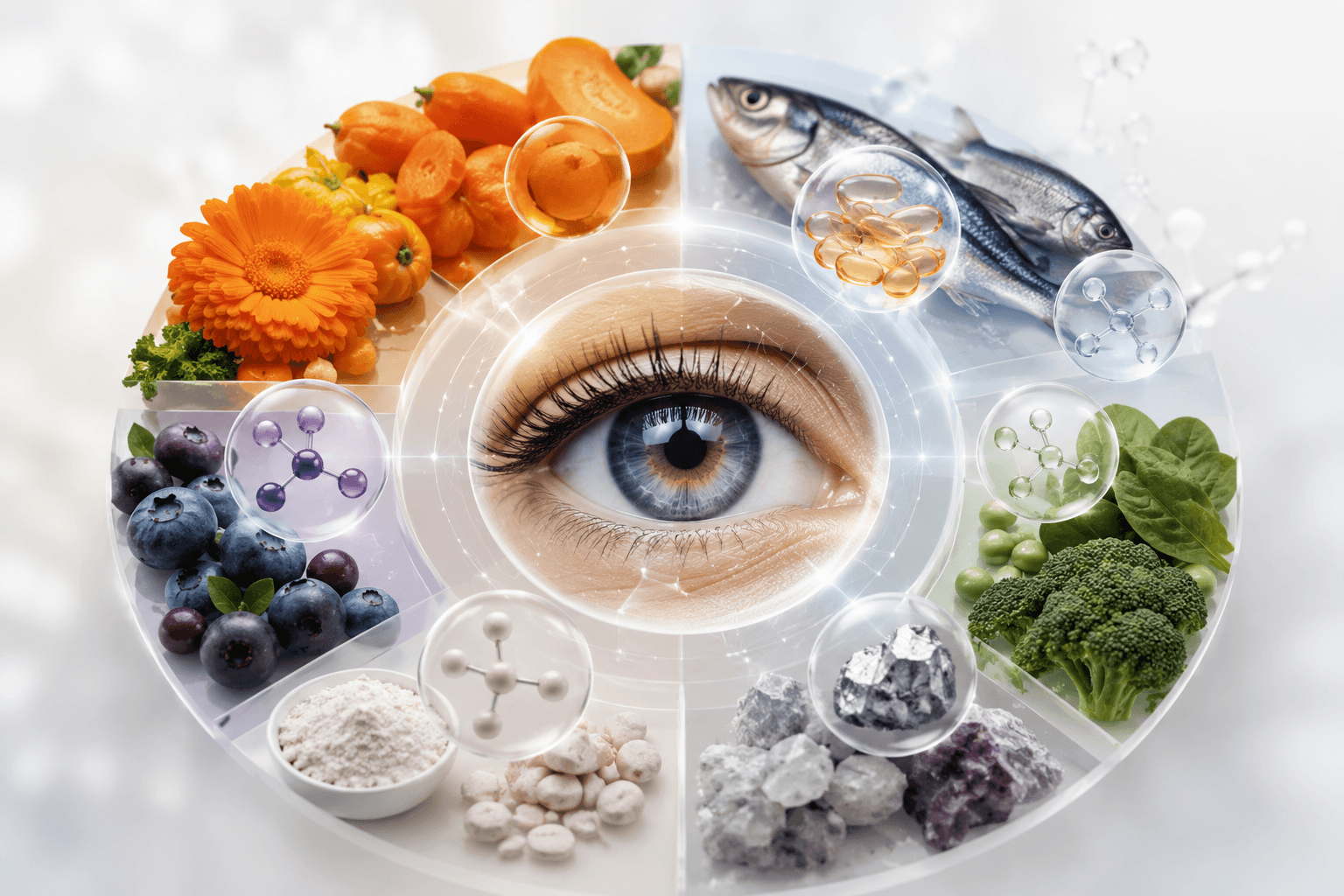
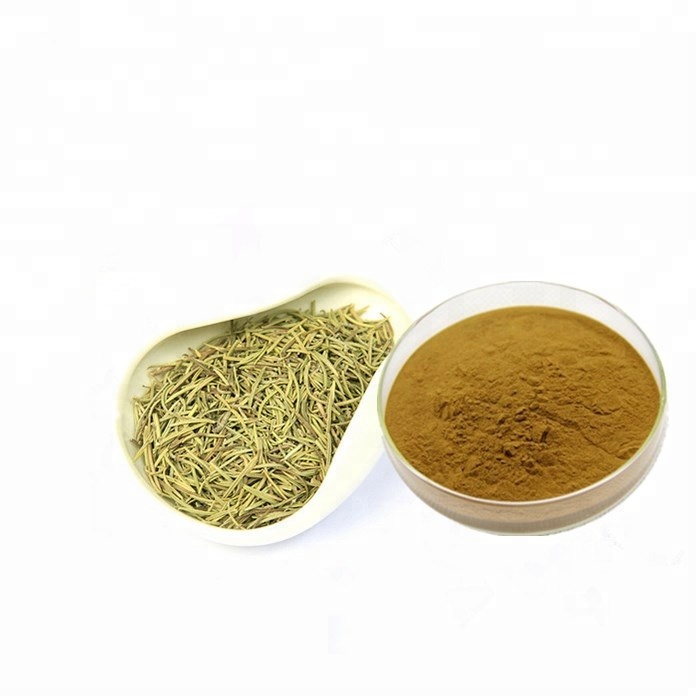

Resveratrol is a natural compound that plants produce as a form of self-defense. When a plant faces bacterial infection, sun damage, or physical injury, it ramps up production of this substance to boost its resistance. You can find it in everyday foods like grapes, blueberries, peanuts, and cocoa. So far, scientists have detected resveratrol in over 70 different plant species.
9 Proven Benefits of Resveratrol
A quick heads-up: most of resveratrol's so-called "benefits" are backed by cell and animal studies. Its actual effects in humans still need more high-quality clinical research to confirm.
1. Antioxidant Power
Antioxidant activity is resveratrol's core, most thoroughly studied biological function. It directly neutralizes and clears harmful free radicals (ROS/RNS) in the body. What's more impressive is that it can ramp up your cells' internal antioxidant defense systems through multiple signaling pathways.[1]
Thanks to these antioxidant mechanisms, resveratrol has drawn widespread interest for its potential health benefits across the board—including cardiovascular protection, neuroprotection, anti-aging, bone health, and even improving male fertility.
2. Anti-Inflammatory Effects
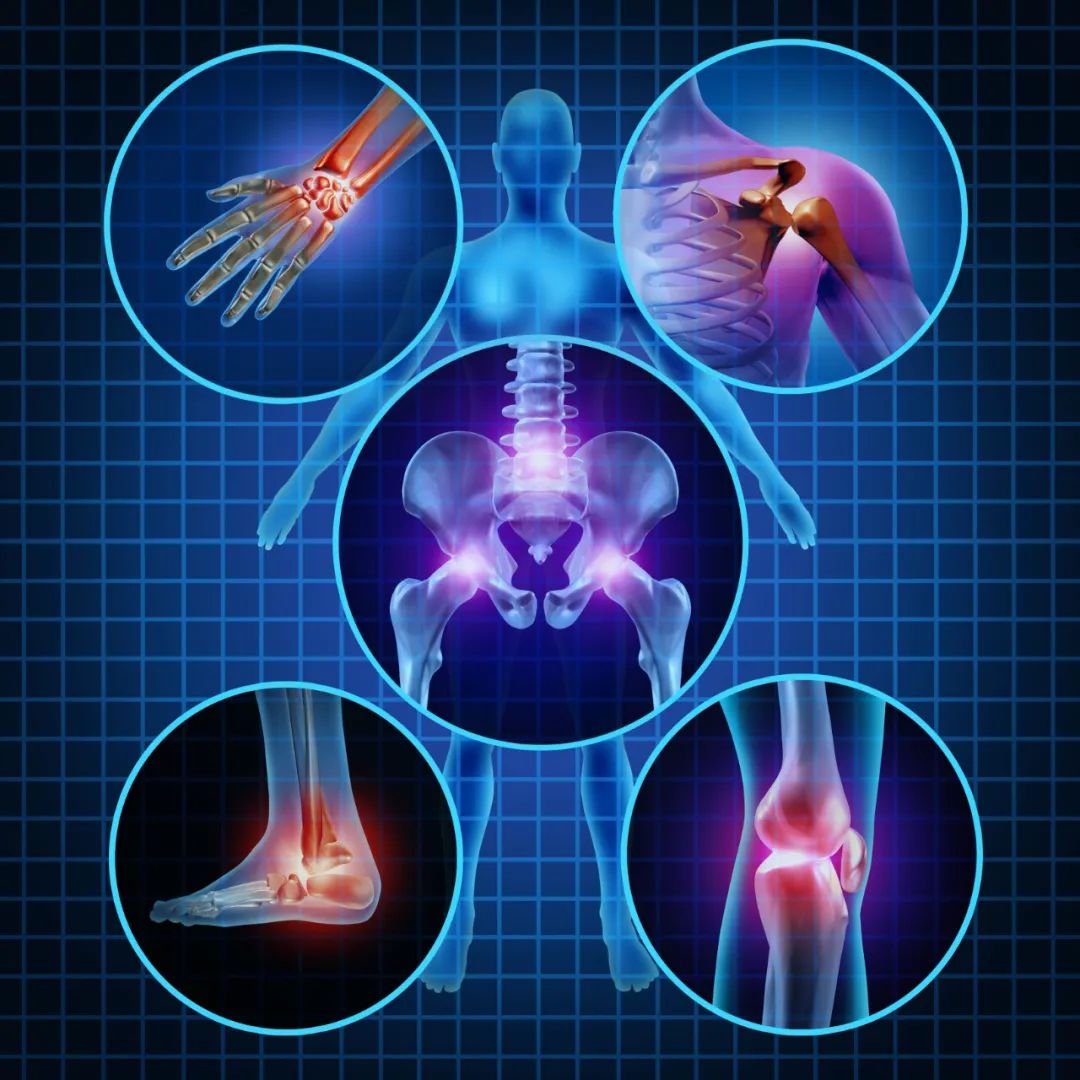
Resveratrol effectively puts the brakes on the NF-κB signaling pathway. NF-κB acts like the master switch for inflammation inside your cells. When it's suppressed, it dials down the production of a whole cascade of pro-inflammatory factors. This is why resveratrol may help ease conditions like rheumatoid arthritis and osteoarthritis.
3. Cardiovascular Protection
This is one of the most buzzed-about areas for resveratrol. The heart-protective potential it shows is largely tied to its anti-inflammatory and antioxidant properties. Studies indicate that resveratrol can lower TNF-α levels in people at high risk for coronary heart disease—especially at a daily dose of 15 milligrams.[2]
4. Anti-Tumor Potential
A ton of lab studies have shown that resveratrol can curb the growth of various cancer cells—including breast, colon, and gastric cancers—and trigger their self-destruction.[3] But let's be crystal clear: this does not mean resveratrol can treat cancer in humans. The effective doses and delivery methods used in animal studies are way beyond what you'd get from diet or supplements.
5. Neuroprotection
Current research suggests resveratrol has neuroprotective potential on multiple fronts. The evidence comes from experiments on models of Alzheimer's disease (AD), cerebral ischemia-reperfusion injury, sepsis-associated encephalopathy, as well as some human clinical trials.[4]
Take Alzheimer's, for example. One of its hallmark features is the buildup of β-amyloid (Aβ) plaques. Resveratrol can dial down the expression of amyloid precursor protein and directly bind to Aβ, converting it into a non-toxic form and reducing its accumulation. Alzheimer's is also closely tied to chronic neuroinflammation. Resveratrol can rein in overactive immune cells in the brain and lower pro-inflammatory cytokines, which helps protect neurons from inflammatory damage.
6. Better Gum Health
Thanks to its anti-inflammatory, antioxidant, and antibacterial properties, resveratrol shows real promise for improving periodontal health.
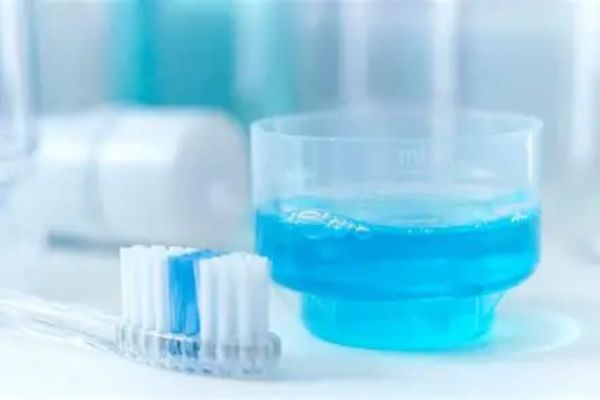
A randomized triple-blind clinical trial published in 2025 tested a resveratrol-containing mouthwash on 54 college students with gingivitis and bad breath. The results showed that after just one week of use, participants had statistically significant improvements in plaque index, gum index, and bleeding on probing.[5]
7. Skin Brightening
Resveratrol can lighten skin by inhibiting tyrosinase activity and reducing melanin production, which is why it's already widely used in skincare products.
8. Blood Sugar Regulation
Some animal studies hint that resveratrol may improve insulin sensitivity, but clinical evidence is still limited. It may also cause blood sugar swings in diabetic patients, so proceed with caution.
9. Extended Lifespan in Animals
In lower organisms like yeast, roundworms, fruit flies, and fish, resveratrol really does stretch their lifespan. In middle-aged mice, it didn't extend overall lifespan, but it did significantly improve their healthspan, lowering IGF-1 levels and reducing the negative effects of obesity. The catch? Just because it works in yeast and mice doesn't mean it'll work in humans.
Side Effects of Resveratrol
At reasonable doses, resveratrol is generally safe for short-term use in most healthy people. But taking too much—or being in a high-risk group—can trigger side effects.
When daily intake exceeds 1 gram, some folks may experience abdominal discomfort, diarrhea, or nausea. At doses of 2.5 grams or higher per day, the risk of side effects jumps noticeably—think nausea, vomiting, diarrhea, and even potential liver or kidney effects.
At very high doses, resveratrol can flip from antioxidant to pro-oxidant, potentially damaging DNA and raising the risk of certain tumors. Kidney toxicity has also been observed in animal studies at high doses.
Some people with sensitive skin may experience redness, itching, or stinging from topical resveratrol products. Also, after applying resveratrol skincare, your skin may become more sensitive to UV rays—so if you're using it during the day, don't skip the sunscreen.
Who Should Avoid Resveratrol
Because of its blood-thinning effects and weak hormone-like activity, the following groups should steer clear of resveratrol supplements—or use them only with extreme caution under a doctor's supervision:
- People on blood-thinning or antiplatelet meds: Resveratrol can amplify the effects of drugs like warfarin, aspirin, and clopidogrel, significantly raising bleeding risk.
- Those with bleeding disorders or recent surgery: Since it affects clotting, people with hemophilia, active stomach ulcers, or those scheduled for surgery should stop resveratrol at least 2 weeks before and after the procedure.
- People with estrogen-sensitive conditions: Resveratrol has weak estrogen-like activity, which could potentially affect conditions like breast cancer, endometrial cancer, uterine fibroids, and endometriosis.
- Pregnant and nursing women: Due to a lack of safety data, it's best to avoid it.
- Those with liver or kidney issues: Resveratrol is mainly metabolized by the liver, which could put extra strain on these organs.
- Diabetics: It may affect blood sugar levels and cause fluctuations, so close monitoring is a must.
- People allergic to alcohol: Some resveratrol supplements may contain alcohol—check the ingredient list carefully.
Cis-Resveratrol vs. Trans-Resveratrol
Resveratrol exists in two main isomeric forms: trans-resveratrol and cis-resveratrol. They differ significantly in natural sources, stability, and biological activity.
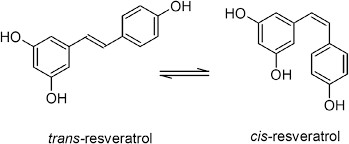
Trans-resveratrol is the primary form synthesized by plants under natural conditions—and it's the most stable, most common form found in nature. Cis-resveratrol, on the other hand, is typically generated when the trans form is exposed to UV light and other conditions. It's less stable, breaks down easily under light or low pH, and is trickier to extract and purify. The scientific consensus is that trans-resveratrol has much stronger biological activity, which is why it's the main focus of most research and products.
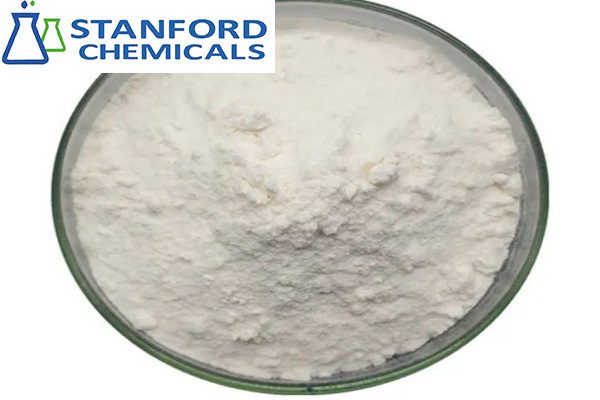
Stanford Chemicals Company (SCC) offers pure trans-resveratrol powder. SCC uses calibrated high-performance liquid chromatography (HPLC) and spectrophotometry to verify the quality of its active ingredients.