
Dry Eye Disease (DED) is a chronic, multi-factor eye surface condition. It's mainly caused by a lack of tears or problems with the tear film, which can leave your eyes feeling dry, burning, scratchy, or even cause blurry vision.
Eye Drop Ingredients for Dry Eye
So, what ingredients in eye drops can actually help with dry eyes? Eye drops are the most common treatment, and different ingredients work on different causes. There are several types you'll often see.

1. Sodium Hyaluronate Eye Drops
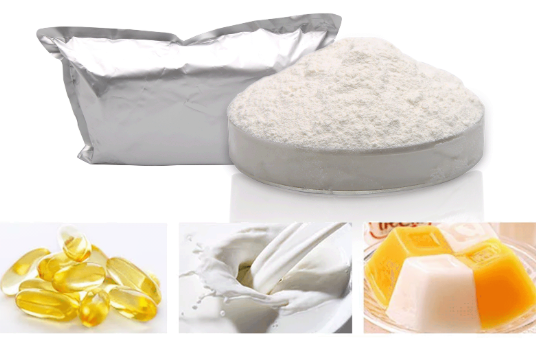
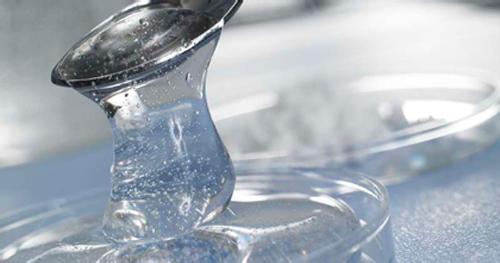
Sodium hyaluronate is a lot like the natural mucin found in your tears. It’s great at holding onto water and has a nice, gel-like consistency. As a key ingredient in many artificial tears, it forms a protective layer over your eye's surface, which helps with dryness.
What it does:
Makes the tear film more stable.
Slows down how fast your tears evaporate.
Helps the cells on your cornea heal.
A Japanese study focusing on older adults with dry eye found that these drops improved symptoms in 87% of people, working especially well for mild to moderate cases.
However, a downside is that you often need to use them pretty frequently, about 3 to 6 times a day, which can be hard to keep up with. For people with severe dry eye, they don't have any anti-inflammatory properties, so they might not treat the root cause.
2. Diquafosol Sodium Eye Drops
Diquafosol sodium works a bit differently. Instead of just adding more tears, it actually encourages your eyes to make more of their own. It stimulates your tear glands and eye surface cells to boost both the water and mucin in your tears, making for better quality tears.
These drops are great for improving overall tear film health, especially for people who don't have enough mucin. They can help repair the eye's surface and can even be helpful for evaporative dry eye.
On the flip side, they're not usually the best choice for dry eye that's purely about not making enough tears. You also need to use them 6 times a day, which can make it tough to stick with long-term. Plus, some people might feel a brief sting or burn when they put them in.
3. Pranoprofen Eye Drops
Pranoprofen is a non-steroidal anti-inflammatory drug, so its primary use is for the inflammation that often accompanies dry eye. If your eyes are not just dry but also irritated and red, then this could be a good option for you.
It acts very quickly on the inflammation itself, helping to reduce redness and irritation. Some studies have shown it to be more effective than regular artificial tears at reducing dryness and the gritty sensation that comes with it. It can also be used in conjunction with artificial tears for added benefit.
However, it doesn’t do much for tear production, so it’s not much use if that’s your primary problem. Also, using it for a long time might slightly raise the risk of corneal issues, like tiny scratches or damage to the surface layer.
4. Carbomer Eye Drops
Carbomer is a high-tech molecule that's great at sticking to your eye and holding onto moisture. Once you put the drops in, it forms a protective, moist film that helps keep your tears from evaporating and keeps the tear film stable.
What's good about them:
Provides long-lasting moisture, perfect for when your tears evaporate too quickly.
It's not a drug, so it's very gentle and comfortable to use.
You don't need much, just 2 to 3 times a day, which is convenient.
The catch? If you use a bit too much, your vision might get temporarily blurry. And like some others, it's not the most effective for inflammatory dry eye or severe tear deficiency.
5. Cyclosporine Eye Drops
Cyclosporine is an immunosuppressant. It's for when your immune system is a little overactive and causing ongoing inflammation on your eye's surface. It's not just for quick relief; it works on controlling the inflammation at its source. It's really effective for immune-related dry eye and is pretty safe for long-term use.
The main thing to know is that it's slow to start working. You usually need to use it for 4 to 6 weeks before you notice a real improvement. And when you first start, some people feel a temporary sting or burning. Also, it can be pricey, and because you need to use it long-term, the cost is something to think about.
Supplements for Dry Eye
For dry eye relief, you might also hear about supplements like omega-3s, vitamin A, or lutein. It's really important to remember that while these can be helpful, they're not a replacement for seeing a doctor.

1. Omega-3 Fatty Acid Supplements
Omega-3s are known to help with inflammation, so they can really calm down that irritated feeling on the surface of your eyes. Adding more omega-3s to your routine might actually help ease your dry eye symptoms. Some research even shows that taking them regularly over time can boost eye moisture and make your eyes feel a lot more comfortable.
2. Vitamin A
Vitamin A is a big deal when it comes to keeping your vision healthy. If you're running low, you could end up dealing with stuff like night blindness. Loading up on vitamin A-rich foods—think carrots, sweet potatoes, or spinach—or even taking a supplement might give your dry eyes some much-needed relief.
3. Lutein
Lutein is an antioxidant that hangs out in your retina and helps protect your eyes. Some studies suggest that keeping your lutein levels up as you age could help ward off dry eye issues down the road.
Final Thoughts
Look, if your eyes get dry every once in a while, grabbing some artificial tears is totally fine. But if dry eye is something you're dealing with daily and it's actually getting in the way of your life or work, it's probably time to go see an eye doctor.
At Stanford Chemicals Company, we’ve got you covered with ingredients like Sodium Hyaluronate powder, Omega-3 fatty acids, Vitamin A, and Lutein. Our products are used across the board—think dietary supplements, cosmetics, eye drops, and pharmaceuticals.