
Introduction
If you slice an apple and leave it out, it quickly turns yellow, then brown, and eventually rots. This process is called oxidation. Something similar—but far more complex—happens inside our bodies all the time. The oxygen we breathe supports life but also produces substances called free radicals. Too many free radicals cause “oxidative stress,” which can damage the body in various ways: speeding up aging, harming DNA, affecting brain cells, and impacting eye health, among others.
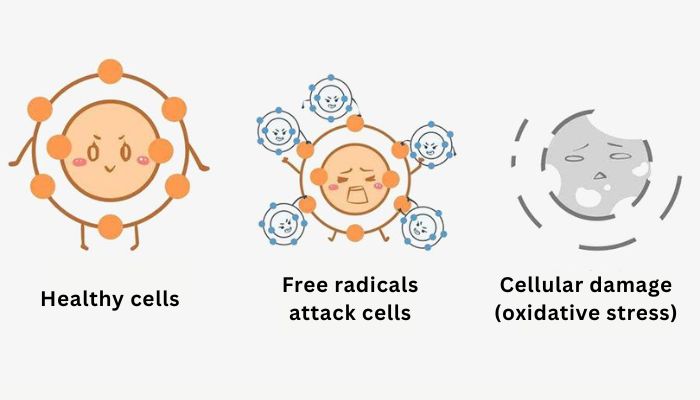
That’s where antioxidants come in. They may not wipe out all free radicals, but they help keep oxidative stress under control.
So, which antioxidant is the strongest? Honestly, ranking individual ingredients without considering how they work in the body isn’t scientific. Instead, we’ve broken down some common antioxidants by category—highlighting what makes each unique—to give you a clearer picture of your options.
Endogenous Antioxidants
These are made by the body or easily converted for use. They’re key players in your internal antioxidant network.
Glutathione
Glutathione—often called GSH—is your body's own homemade antioxidant, built from three simple building blocks: glutamate, cysteine, and glycine. Think of it as one of your cells' top defenders against oxidative stress.
Its main job is to take out free radicals directly. Here's a simple example: let’s say a little hydrogen peroxide pops up in a cell. Glutathione steps in and, with a helper enzyme called glutathione peroxidase, breaks it down into harmless water. In doing so, the glutathione itself gets "used up" and turns into its oxidized form, called GSSG. But don’t worry—another enzyme (glutathione reductase) quickly recharges it back into active glutathione using fuel from something called NADPH, so it’s ready to go again.
But glutathione isn’t just a solo fighter. It also helps other antioxidants, like vitamins C and E, get back in the game after they’ve been oxidized. This teamwork makes your whole antioxidant system stronger.
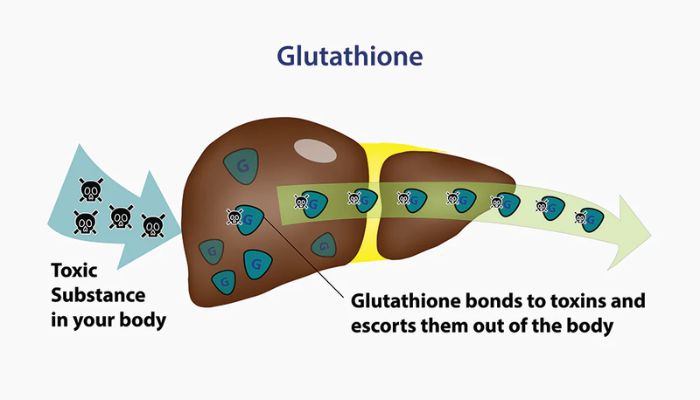
On top of all that, glutathione plays a big role in detox. It latches onto harmful stuff—like heavy metals or leftover drug byproducts—and helps your body flush them out, which also cuts down on oxidative damage.
While the body makes its own glutathione—and you can get some from foods like spinach and avocado—production starts to decline after age 25. Illness and pollution can also reduce it. Oral glutathione supplements aren’t absorbed well, so it’s often better to support levels indirectly with precursors like N-acetylcysteine.
Alpha-Lipoic Acid (ALA)
Alfa-Lipoic Acid is another natural antioxidant—about 400 times stronger than vitamins C and E in some tests. It fights common free radicals like hydroxyl and nitric oxide radicals, as well as substances that generate free radicals, such as hydrogen peroxide.
Inside cells, ALA converts to its reduced form, DHLA. Both are strong antioxidants that tackle reactive oxygen and nitrogen species.
ALA doesn’t just fight free radicals itself; it also helps regenerate glutathione, vitamin C, and vitamin E, boosting the whole antioxidant network. Studies show it can also activate the Nrf2 pathway, increasing production of various antioxidant enzymes.
The body makes ALA in small amounts, and it’s found in foods like spinach, broccoli, organ meats, tomatoes, and peas—though usually not enough from diet alone to have a strong therapeutic effect. Supplements are often used to reach beneficial levels.
Essential Nutrient Antioxidants
These must come from outside sources and are crucial for basic defense.
Vitamin C (Ascorbic Acid)
A classic water-soluble antioxidant, vitamin C is one of the main antioxidants in blood plasma.
It helps protect cells from free radical damage. By reducing oxidative stress, it may support heart health and protect against certain diseases. Research also shows it helps guard skin against sun damage and supports collagen production.
Vitamin C can regenerate oxidized glutathione back to its active form. It also works especially well with vitamin E for stronger antioxidant activity.
Good sources include citrus fruits, kiwis, and bell peppers.
Vitamin E (Tocopherol)
Vitamin E is a key fat-soluble antioxidant. It's a crucial shield for your cell membranes, protecting the delicate fats inside and helping your cells stay healthy and do their jobs. That's why you see it in so many skincare products. Applying it directly can help protect your skin from sun damage and keep it looking younger.
But vitamin E doesn't work as well alone, and it needs a partner like vitamin C. They're a great team. Research also shows vitamin E may help protect your heart by preventing your "bad" (LDL) cholesterol from getting damaged.
You can get vitamin E naturally from foods like nuts, vegetable oils (like sunflower or olive oil), and leafy green vegetables. Most people who eat a balanced diet get plenty of this way. It's usually better to get it from food than pills, because taking too much in supplement form can actually be risky.
Vitamin C vs. Ferulic Acid: Which Is Better?
Plant Polyphenols
These come from plants and often offer strong free-radical scavenging plus multiple biological benefits.
Astaxanthin
Part of the carotenoid family, astaxanthin has a unique structure that makes it extremely good at quenching singlet oxygen and neutralizing free radicals. Lab and animal studies show it has higher antioxidant activity than many other carotenoids and vitamin E. Human research suggests it may improve skin wrinkles and elasticity and ease exercise-induced oxidative stress.
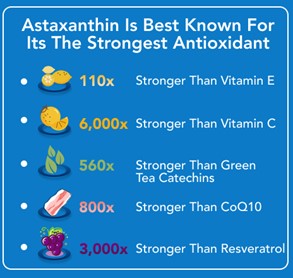
Main sources: Haematococcus pluvialis algae, salmon, shrimp, crab.
Resveratrol
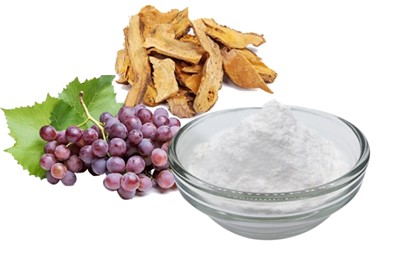
Resveratrol is widely studied for its potential heart benefits and its ability to activate SIRT1, a pathway linked to longevity. It does have antioxidant effects, but many researchers believe its real value lies in modulating cell signaling and reducing inflammation. A key limitation is its low oral bioavailability.
Main sources: grape skin, red wine, blueberries.
Curcumin
Curcumin is the main active compound in turmeric. It shows very strong antioxidant activity in lab studies, but its standout feature is its powerful anti-inflammatory effect, working through pathways like NF-κB. Like resveratrol, it’s poorly absorbed on its own, but absorption improves significantly when taken with lipids or piperine (from black pepper).
Main source: turmeric.
Coenzymes & Trace Minerals
These support antioxidant function in important ways.
Coenzyme Q10 (CoQ-10)
Coenzyme Q10 is essential for normal organ function and chemical reactions throughout the body, especially in the heart, liver, kidneys, and pancreas.
A key part of the mitochondrial electron transport chain, CoQ-10 also acts as an antioxidant during ATP production, protecting mitochondrial membranes and DNA from oxidative damage. Levels naturally decline with age.
Selenium, Zinc, Copper, Manganese
These trace minerals are essential for the activity of endogenous antioxidant enzymes—like SOD (which contains copper, zinc, or manganese) and GPx (which contains selenium). Without them, these enzymes can’t function, making these minerals foundational to the body’s antioxidant defenses.
Synergy Among Antioxidants
Antioxidants are team players. They usually work better when they work together.
Vitamin C helps recharge vitamin E inside the watery parts of your cells. Then, glutathione helps get vitamin C back in action. And alpha-lipoic acid? It's like a super-recharger—it can help restore glutathione and both vitamins C and E. It's like a built-in recycling system that makes your whole defense stronger.
Big, long-term studies have shown that taking a very high dose of just one antioxidant often doesn't deliver the benefits you'd expect. Sometimes, it can even throw things off balance. This tells us something important: What matters most isn't loading up on one superstar ingredient—it's keeping the overall balance between oxidation and antioxidants in check. This is also reflected in the antioxidant composition of natural foods. Foods like berries, green tea, and dark leafy greens naturally come packed with a whole crew of antioxidants—vitamins, polyphenols, carotenoids, and other helpers. They all mix and work in synergy. The combo is usually more effective than taking a single nutrient in a high-dose supplement.
Stanford Chemicals Company offers a variety of antioxidant ingredients that can help enterprises and researchers achieve synergistic formulations.