
Human skin is frequently exposed to various environmental factors that can compromise its health and appearance. One major culprit is ultraviolet radiation (UVR), which leads to oxidative stress and depletion of the skin’s antioxidants. This is where supplementing with antioxidants becomes necessary to counteract skin aging and other harmful effects. Vitamin C and ferulic acid are two of the most common antioxidants used for this purpose.
Vitamin C: A Versatile Antioxidant
Ascorbic acid, sodium ascorbyl phosphate, and magnesium ascorbyl phosphate—common ingredients in skincare products—are all forms of vitamin C. Each type offers distinct skin benefits. Overall, the advantages of vitamin C for the skin include:
- Antioxidant protection
- Promotion of collagen synthesis
- Reduction of dark spots
- Repair of UV damage
- Improvement of skin barrier function
The Multiple Benefits of Vitamin C for Skin
Vitamin C is essential for maintaining skin health. It helps delay signs of aging, brighten the complexion, and strengthen the skin’s defense through various mechanisms.
- It neutralizes free radicals, reducing oxidative stress and damage to the skin.
- It also acts as a cofactor for collagen-synthesizing enzymes, supporting the formation of collagen fibers. A deficiency in vitamin C can lead to insufficient collagen production and reduced skin elasticity.
- Besides inhibiting melanin production, vitamin C can convert existing melanin into a colorless state. Therefore, it helps improve issues such as melasma and post-acne marks.
- It also regulates the secretion of inflammatory factors, alleviating redness, stinging, and sensitivity, thereby boosting the skin’s tolerance to external irritants.
Limitations of Vitamin C in Skincare
The strong reducing power of vitamin C gives it potent skincare benefits, but it also makes the compound chemically unstable. High temperatures, direct sunlight, and metal ions can easily trigger oxidation. Once oxidized, vitamin C loses its efficacy and may turn yellowish. This is a common concern for some people using ascorbic acid-based products. Moreover, ascorbic acid requires an appropriate pH to penetrate effectively.
In environments with a pH above 3.5, its lactone ring is prone to hydrolysis or oxidation, leading to inactivation. Thus, storing and using vitamin C skincare requires extra care. In addition, high concentrations of vitamin C can irritate skin because of its acidity and strong penetrating ability. Some individuals may experience stinging, redness, or itching after using high-potency vitamin C products. And those having sensitive skin are more susceptible.
It is worth noting that vitamin C does not work in isolation. It participates in a redox recycling network: after vitamin E neutralizes a lipid peroxyl radical, it becomes a tocopheroxyl radical. Vitamin C can regenerate vitamin E back to its active form, while itself being converted to dehydroascorbic acid, which can be recycled back to ascorbic acid by glutathione-dependent enzymes. This inter-dependent cycle amplifies the overall antioxidant capacity of the skin far beyond the sum of its individual components.
Ferulic Acid: A Potent Antioxidant
Ferulic acid, a hydroxycinnamic acid, belongs to a class of phenolic compounds with antioxidant properties. It is most commonly found in plant seeds and leaves, especially in bran and whole grains. As a popular active ingredient in skincare, ferulic acid offers the following key benefits:
- Antioxidant protection
- Anti-inflammatory and soothing effects
- Reduction of dark spots
- Photoprotection
- Enhanced absorption of other ingredients
The Multiple Benefits of Ferulic Acid for Skin
It works by neutralizing free radicals, inhibiting melanin production, and reducing UV damage.
- Like vitamin C, ferulic acid powerfully quenches free radicals and diminishes oxidative stress. It is often incorporated with vitamins C and E due to the synergistic increase in overall effectiveness it produces.
- Ferulic acid decreases redness and sensitivity, especially suitable for skin with acne or rosacea, through the suppression of inflammatory mediators like TNF-α and IL-6.
- Ferulic acid suppresses pathways of melanin production and accelerates the metabolism of already existing pigmentation. It is hence of great assistance in evening out skin tone and fading dark spots.
- As a natural photostabilizer, it absorbs certain wavelengths of UV light (particularly UVA), reducing the risk of photodamage and photoaging. It is often used in combination with sunscreens as a filter agent.
- Ferulic acid can regulate skin permeability, promoting the permeation of other key ingredients, hyaluronic acid, and niacinamide, thereby potentiating the final result of skincare products.
Side Effects of Ferulic Acid
Some people may suffer from skin irritation, photosensitivity, or allergy while using ferulic acid. The possible dangers may or may not be triggered depending on the concentration or manner of ferulic acid consumption.
Synergistic Effects of Vitamin C and Ferulic Acid
Currently, one of the most effective daytime antioxidant formulations in dermatological research is: 15–20% L-ascorbic acid + 1% vitamin E + 0.5% ferulic acid. This combination is not merely additive—it produces a synergistic effect where “1+1+1 > 10.”
According to research from the Duke University Department of Dermatology, ferulic acid can boost the combined antioxidant efficacy of vitamins C and E by approximately eightfold. The biggest drawback of vitamin C is its extreme instability—it oxidizes, yellows, and loses potency easily in aqueous solutions.
Ferulic acid, in contrast, is highly stable, resistant to oxidation, and tolerant of heat and light. Thus, ferulic acid significantly slows down the oxidation process of vitamin C, prolonging its activity and the product’s shelf life. Additionally, this combination promotes the production of thiamine dimer, which further protects the skin.
FAQ: Vitamin C and Ferulic Acid
1: Why use Vitamin C or ferulic acid?
They replenish skin antioxidants, fight free radicals from UV rays, and help prevent aging and damage.
2: What's the main difference between Vitamin C and ferulic acid?
Vitamin C boosts collagen and brightens skin, but it is unstable. Ferulic acid is very stable, reduces inflammation, and protects against UV damage.
3: Can I use Vitamin C and ferulic acid together?
Yes, they work best together. Ferulic acid stabilizes Vitamin C and boosts its antioxidant power.
4: What are Vitamin C's drawbacks?
It can oxidize, irritate sensitive skin at high concentrations, and requires careful storage.
5: What are ferulic acid's side effects?
It's generally well-tolerated but can cause irritation or increased sun sensitivity in some people.
6: What is the best antioxidant combination?
A blend of 15-20% L-ascorbic acid (Vitamin C), 1% Vitamin E, and 0.5% ferulic acid is considered highly effective for daytime protection.
7. Can I use vitamin C and ferulic acid on acne-prone or oily skin?
Yes. Vitamin C reduces sebum oxidation (a trigger for acne), while ferulic acid calms inflammation and helps fade post-acne dark spots. Choose lightweight, water-based serums to avoid clogging pores.
Recommended Products
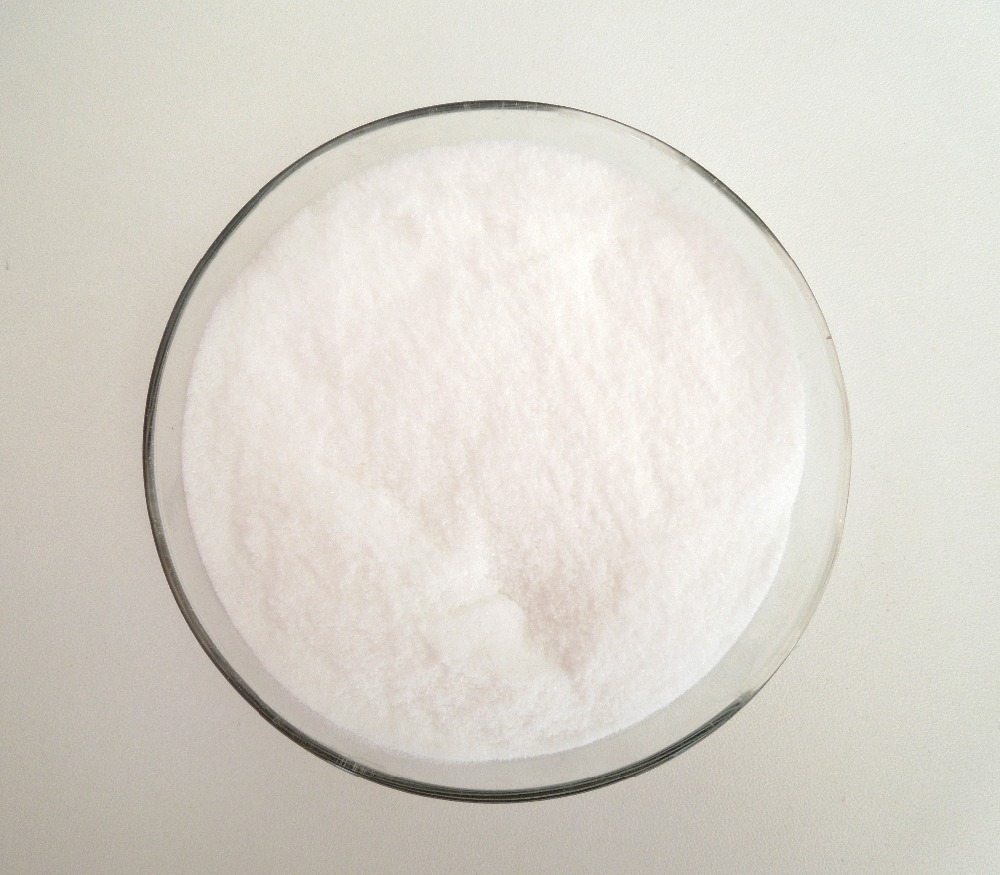
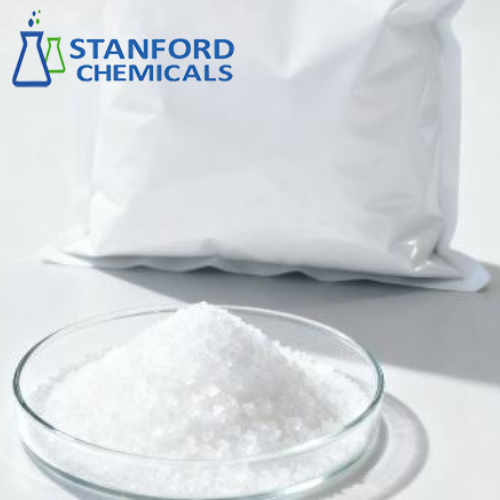
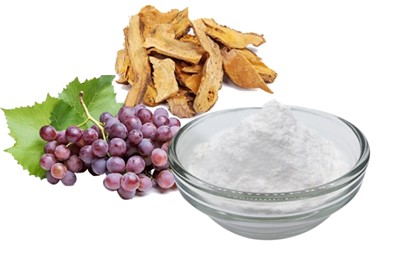
Vitamin C (Purity 99%) Ferulic acid (Purity ≥99%)