


Extensive research confirms that vitamin D (VD) has broad physiological effects and may play an indispensable role in preventing many diseases and conditions. It is almost an "all-round" nutrient. Dr. Jörg Spitz stated in his speech that in the coming years, no laboratory in the world may produce a synthetic substance that comes close to matching its efficacy.
1. Why Should We Pay Attention to and Supplement Vitamin D?
Vitamin D is not just a simple vitamin for bones. It is a fat-soluble prohormone that plays a key regulatory role in multiple systems of the human body. Its importance is comparable to that of thyroid hormones.
1.1 Core Benefits of Vitamin D
Vitamin D receptors (VDRs) are found in virtually all nucleated cells and tissues of the human body, including the brain, heart, pancreas, muscles, and immune cells. Although vitamin D is primarily stored in the liver, all organs require its active form, and all organs possess vitamin D receptors.
- It enhances the absorption of calcium and phosphorus by the intestines. Therefore, vitamin D supplementation is very effective in preventing conditions such as rickets in children, as well as osteomalacia and osteoporosis in adults.
- Its receptors are found mainly in immune cells. It aids in protecting against infections while simultaneously suppressing or preventing reactions or attacks on the body or its tissues.
- It plays a part in the regulation of heart muscle function, the health of the vessels, and the processes that control blood pressure.
- It is involved in insulin secretion, hence being implicated in the cause of type 2 diabetes.
- It promotes normal cell development and maturation while inhibiting abnormal proliferation, which is related to cancer prevention mechanisms.
- It participates in the production of neurotransmitters, protects nerve cells, and affects cognitive abilities and emotional states.
- It directly enhances muscle strength, helping to prevent muscle loss and the resulting risk of falls.
1.2 Risks of Vitamin D Deficiency
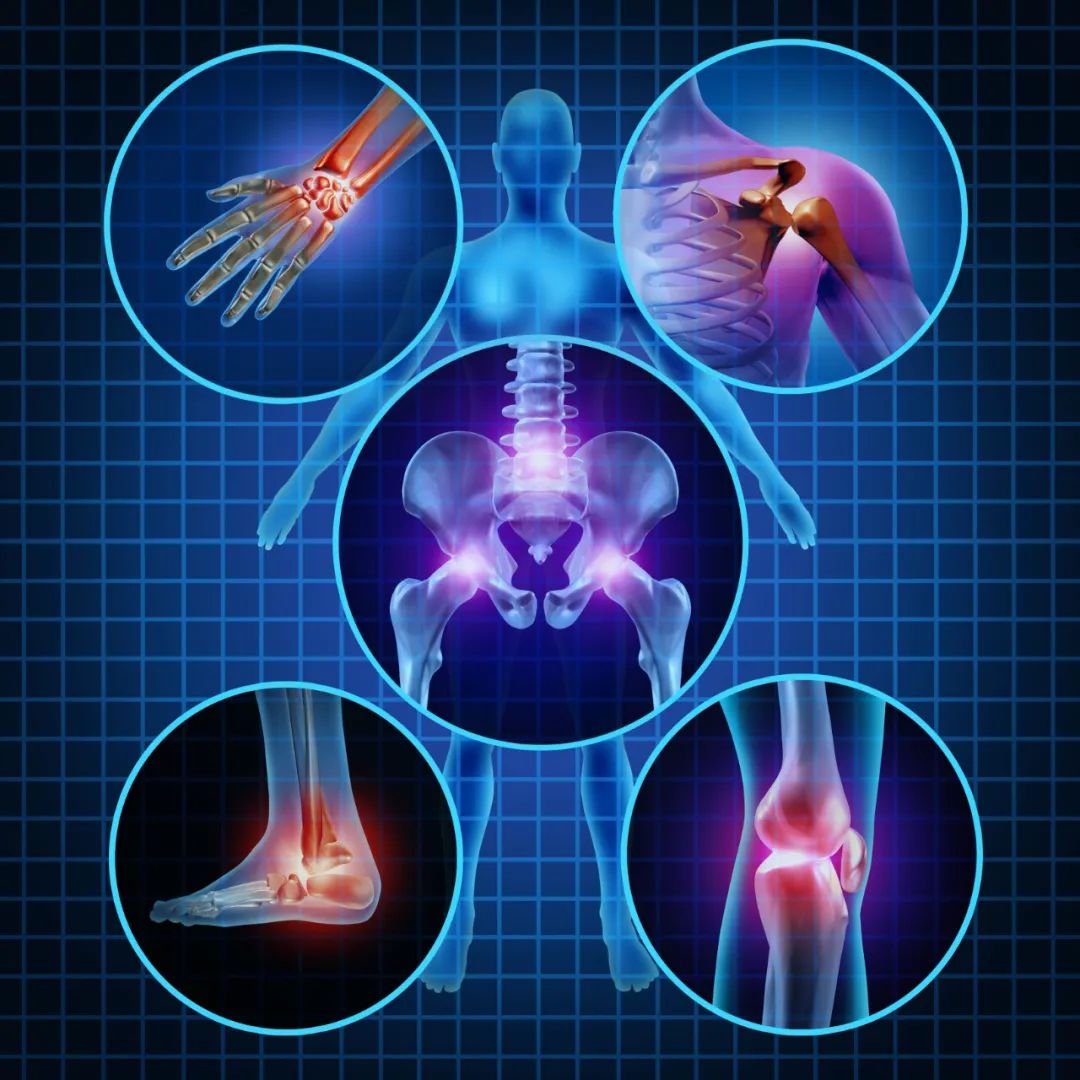
Vitamin D deficiency may lead to muscle pain, weakness, and bone pain in individuals of any age group. Children with long-term vitamin D deficiency are prone to rickets, manifested as bone softening, deformities (such as bow legs), and growth retardation. In adults, the chronic deficiency can also lead to osteomalacia and cause bone pain, muscular weakness, and increased fractures. Vitamin D deficiency could also lead to an increased vulnerability to infections, fatigue, and low moods.
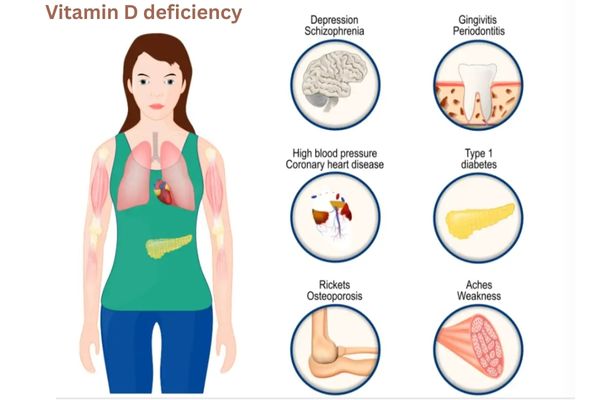
Fig 1. Symptoms of vitamin D deficiency
1.3 Deficiency: A Global Public Health Issue
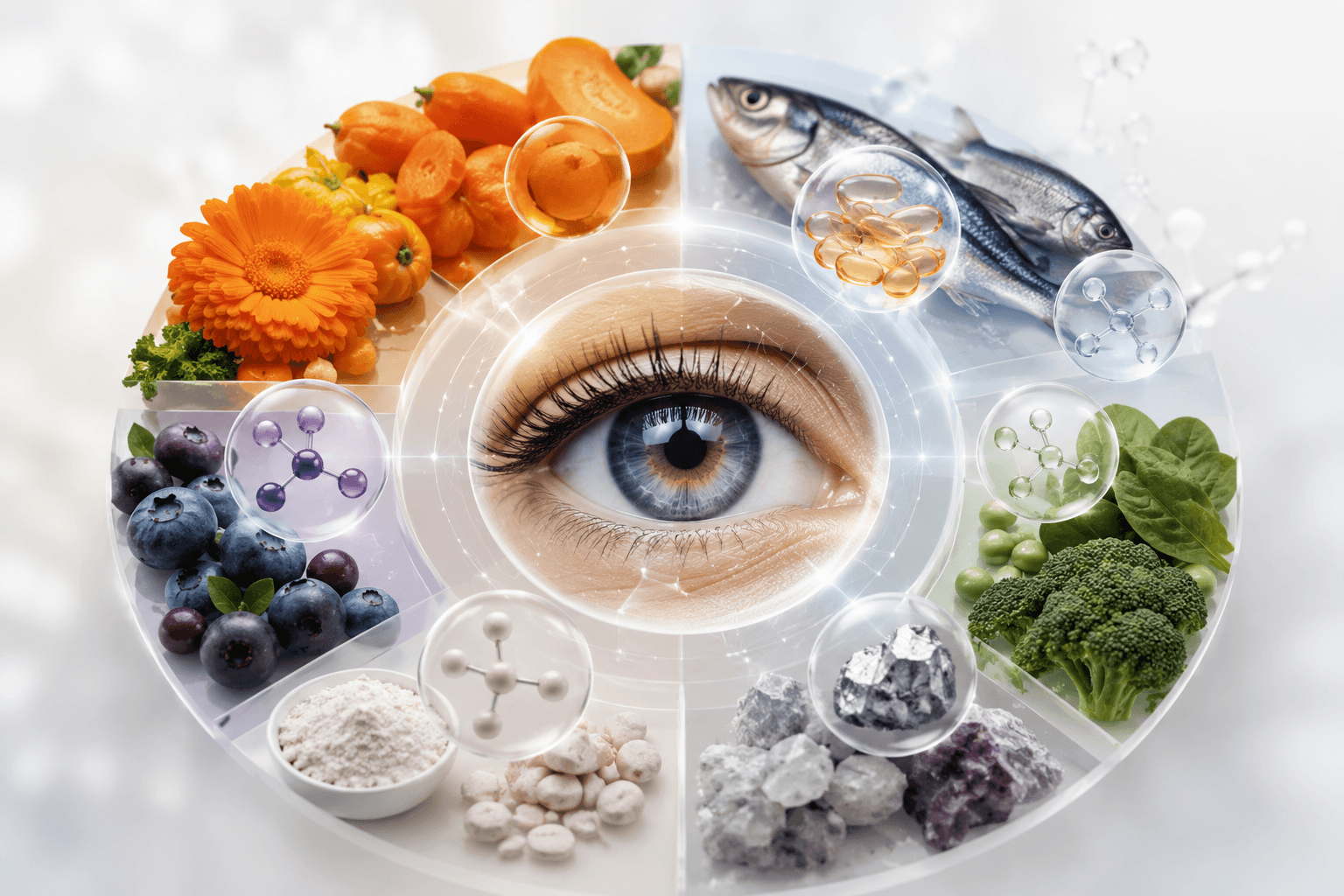
There are three main ways to obtain vitamin D: synthesis through sun exposure on the skin, dietary intake, and supplements. However, modern lifestyles make it difficult to obtain.
Living in high-latitude regions, during winter, prolonged indoor activities, and strict sun protection significantly reduce skin synthesis. Therefore, the most common cause of vitamin D deficiency is insufficient sun exposure.
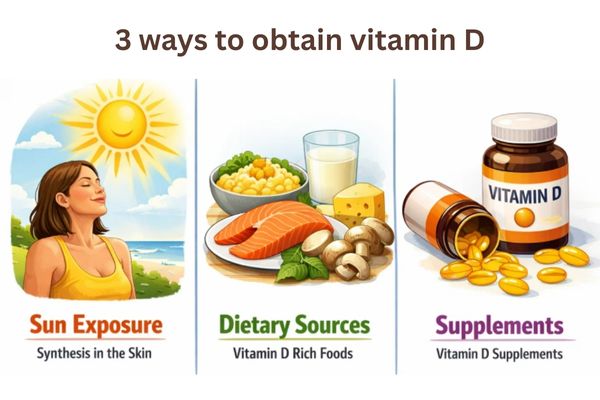
Fig 2. 3 ways to obtain VD
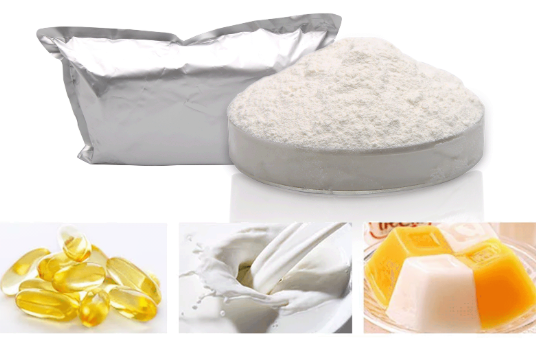
If you try to supplement vitamin D through food, you’ll encounter two difficulties. First, there are few foods naturally rich in vitamin D, primarily fatty fish, liver, and egg yolks, and fortified foods are not widespread. Moreover, the VD content in food is generally low and variable. Eating one egg yolk can provide approximately 20 IU of vitamin D, which is far below the daily recommended supplemental intake of 800–2000 IU. Meanwhile, 100g of salmon contains about 400 IU of VD, though this option comes with a higher cost. Therefore, relying solely on diet is usually insufficient to maintain ideal VD levels.
Thus, vitamin D deficiency is not an isolated phenomenon. For example, a German study showed that only about 12% of the population had VD levels in the ideal range. Globally, even in sun-rich regions like the Middle East and South Asia, deficiency rates are surprisingly high due to cultural attire and sun avoidance.
Children are a high-risk group for vitamin D deficiency. Their rapid growth and development create a high demand for vitamin D. If breastfed infants are not supplemented or children have insufficient outdoor activity, deficiency is highly likely.
Supplementing Vitamin D Requires Science and Strategy
Blind supplementation is not advisable; a scientific approach maximizes benefits.
2.1 Test First, Then Supplement
Blood levels of 25-hydroxyvitamin D [25(OH)D] are the gold standard for assessing vitamin D status. The U.S. Institute of Medicine defines vitamin D status as follows: (1) VD deficiency: 25-OH-D < 20 ng/mL; (2) VD insufficiency: 21 ng/mL ≤ 25-OH-D < 29 ng/mL; (3) VD sufficiency: 30 ng/mL ≤ 25-OH-D. Note: Some countries use nmol/L for measurement. 1 ng/mL ≈ 2.5 nmol/L.
2.2 Supplementation Tips
- Form Choice: D3 (cholecalciferol) is more effective than D2 (ergocalciferol) in raising and maintaining blood levels.
- Take with Meals: Vitamin D is fat-soluble; taking it with a meal containing fat improves absorption.
- Dosage and Frequency: Depends on initial levels and goals. For maintaining health (without severe deficiency), typically 1000-2000 IU daily is sufficient. Correcting a deficiency requires higher doses under a doctor's guidance (e.g., 50,000 IU weekly for several weeks). Daily low doses are more physiological than occasional large doses.
2.3 D3 + K2 + Magnesium
Supplementing VD alone might be less effective. Taking it with vitamin K2 (especially the MK-7 form) and magnesium works better because: Vitamin D promotes calcium absorption, while K2 is responsible for precisely "guiding" calcium to the bones and reducing its abnormal deposition in soft tissues like blood vessels. They work synergistically to support cardiovascular and bone health. Magnesium is an important cofactor that is required for vitamin D activation and metabolism in the body. If there is no presence of this mineral, it will not be possible for vitamin D to be activated in its form. The intake of vitamin D supplements may raise this deficiency.
Stanford Chemicals Company offers a variety of vitamins, including D3, K2, E, C...
Are There Any Risks in Taking Vitamin D?
At reasonable doses, vitamin D supplementation is safe.
3.1 Overdosing Is Unlikely
It's almost impossible to reach toxic levels through sun exposure because skin synthesis has a self-regulating mechanism. It's also extremely difficult to reach toxic levels with conventional supplement doses. Toxicity usually results from long-term, accidental intake of doses far exceeding recommendations.
3.2 If Overdosed: Hypercalcemia and Its Risks
Vitamin D toxicity essentially causes hypercalcemia, an abnormally high level of calcium in the blood. Symptoms may include:
- Loss of appetite, nausea, vomiting, constipation.
- Frequent urination, excessive thirst.
- Confusion, kidney stones, and in severe cases, kidney damage and cardiovascular abnormalities.
Therefore, long-term use of very high doses (e.g., over 10,000 IU daily) without medical monitoring is not recommended.
Frequently Asked Questions (FAQs)
Q: How much daily sun exposure is enough?
It varies depending on the season, skin color, and latitude. Generally, in spring, summer, and fall, exposure of the face, arms, and legs to the sun for 10 to 30 minutes a day, two to three times a week without sunscreen may be sufficient for vitamin D nutrition. Darker skin requires a greater amount of UV rays. Again, skin cancer risk must be weighed and sunburn avoided.
Q: Do older adults need higher doses?
Yes. Older adults have reduced skin synthesis capacity, potentially weaker intestinal absorption, and often less outdoor activity. They generally require higher maintenance doses than younger people. However, the specific dose should be based on testing.
Q: Do pregnant women need to supplement?
Of course, vitamin D level influences not only the bone health of a pregnant woman herself but also the normal development of the fetus. Most guidelines recommend at least 600 to 800 IU daily for pregnant women. Those with a detected deficiency need higher doses under a doctor's guidance.
Q: Can vitamin D prevent colds or COVID-19?
Adequate vitamin D levels help maintain normal immune system function. Observational studies show that people with low levels may have a higher risk of infection. Some research suggests supplementation may help reduce the risk of acute respiratory infections in those who are deficient. However, it is not a miracle cure or vaccine and cannot replace other protective measures.