
Hyaluronic acid and chondroitin sulfate are two types of sugar molecules known as glycosaminoglycans, which occur naturally in the human body. When paired in a treatment, this combination tends to do better than if it were used individually. This can be seen in various instances, such as in treating arthritis, eye surgeries, and skin healing.
Basic Properties of Hyaluronic Acid and Chondroitin Sulfate
Think of hyaluronic acid as your body's ultimate sponge. It's a big molecule made from repeating sugar units. You'll find it in your joint fluid, the jelly-like part of your eye, and deep in your skin. Its superpower? It can hold up to 1000 times its weight in water, which is why it's so great for keeping things hydrated and cushioned.
Chondroitin sulfate is another sugar molecule, but this one often has sulfate groups attached. This molecule is a key component of cartilage, which is a tough, yet flexible tissue that cushions your joints. The main function of this molecule is to make sure that the cartilage is springy and structurally sound.
Why Hyaluronic Acid and Chondroitin Sulfate Work Better Together
These two molecules are chemical cousins, meaning that they are similar. This is because both molecules are negatively charged. This allows them to combine, using hydrogen bonds and electrical charges, into a stable complex that is more effective and stronger.
In a joint, this partnership creates a denser, more resilient molecular mesh. Adding chondroitin sulfate actually boosts the "stretchiness" and shock-absorbing power of hyaluronic acid. This is especially helpful under high pressure, like when you're moving around. The combo structure simply holds up better than hyaluronic acid by itself.
On a cellular level, they tag-team inflammation. Hyaluronic acid mainly works through a receptor called CD44 on cells, while chondroitin sulfate puts the brakes on a different inflammatory pathway (NF-κB). By working on different fronts, they're stronger together at blocking the enzymes (like MMPs) that break down cartilage.
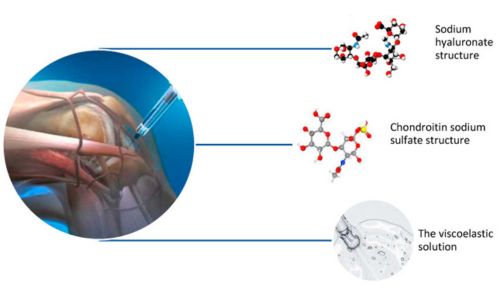
Combination of Hyaluronic Acid and Chondroitin Sulfate
-- Use in Osteoarthritis Treatment
Osteoarthritis is basically the wearing down of joint cartilage. A common treatment is injecting hyaluronic acid right into the joint to boost the natural joint fluid and improve lubrication.
Now, some newer studies are looking at injecting a mix of chondroitin sulfate and hyaluronic acid. One study from 2024 found that people who got the combo shot reported less pain and significantly better joint movement over six months.[1] And no major safety issues came up.
The thinking is that hyaluronic acid handles the immediate lubrication, while chondroitin sulfate helps protect the cartilage itself by calming inflammation and keeping cartilage cells from dying off. Together, they might help slow down the whole joint-decline process.
Fig 1. The effect of intra-articular Hyaluronic acid (HA) and Chondroitin sulfate (CS) supplementation on pain symptoms and joint mobility.
Pain intensity significantly reduced
Joint mobility increased
-- Uses Eye Care
Both are common in eye treatments.
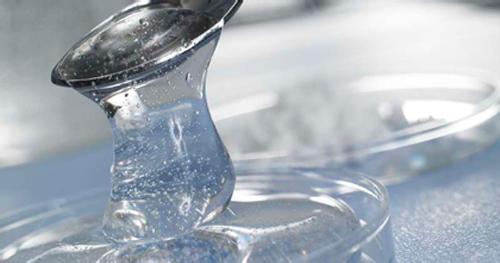
In surgeries like cataract removal, doctors inject a gel-like substance (a viscoelastic) to keep the eye's structure stable and protect delicate inner layers. A mix of chondroitin sulfate and hyaluronic acid makes a great viscoelastic – it holds space well, protects tissue, and is easy to wash out afterward.
For dry eye, eye drops containing both ingredients give you the best of both worlds: hyaluronic acid for intense moisture, and chondroitin sulfate to help heal the surface of the cornea. For people with damaged corneas, this combo can lead to faster healing than drops with just one ingredient.
-- Use in Tissue Engineering
Scientists are really excited about using these two to build "scaffolds" for growing new tissue, like cartilage. They mix them into a hydrogel that's great for this job. Because these sugars are natural and biocompatible, the scaffold can act like a fake "extra-cellular matrix" – the natural environment cells live in. This helps cells (like stem cells) grow, multiply, and turn into new, healthy cartilage to repair damage.
Is It Safe and Who Is It For?
Both are very safe. The most common side effect from joint injections is some temporary pain or swelling at the injection site, which happens just as often with the combo as with hyaluronic acid alone.
Taking them as pills isn't as effective as getting an injection. When you swallow them, your digestive system breaks down a lot of the molecules before they can reach your joints. An injection delivers them right where they're needed.
A couple of important things to keep in mind: If your arthritis is very advanced and the cartilage is pretty much gone, this treatment probably can't reverse the damage – it might just help with pain. Also, results vary from person to person. Some people get great relief, while others might not notice a huge difference.
Conclusion
It just makes sense that using hyaluronic acid and chondroitin sulfate together would be a great idea, as they are very similar in structure, yet serve very different purposes, so they are the perfect complement to one another. The current research shows that this duo is a great idea for relieving the symptoms of arthritis, as well as aiding in the healing of the eyes, and as more is learned about the subject, I am sure there are even more ways in which this natural power couple can be used to help heal the body.
Stanford Chemicals Company (SCC) is a trustful supplier of chondroitin sulfate, hyaluronic acid, etc. Customization is also available. Please check our homepage for more information.
Related articles:
Hyaluronic Acid VS. Glucosamine VS. Chondroitin: Which Is Best for Joints?
Substances and Supplements for Joint Health