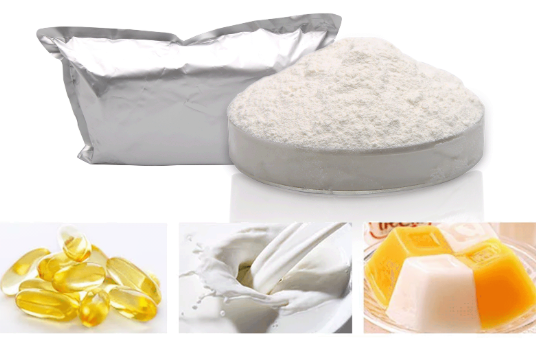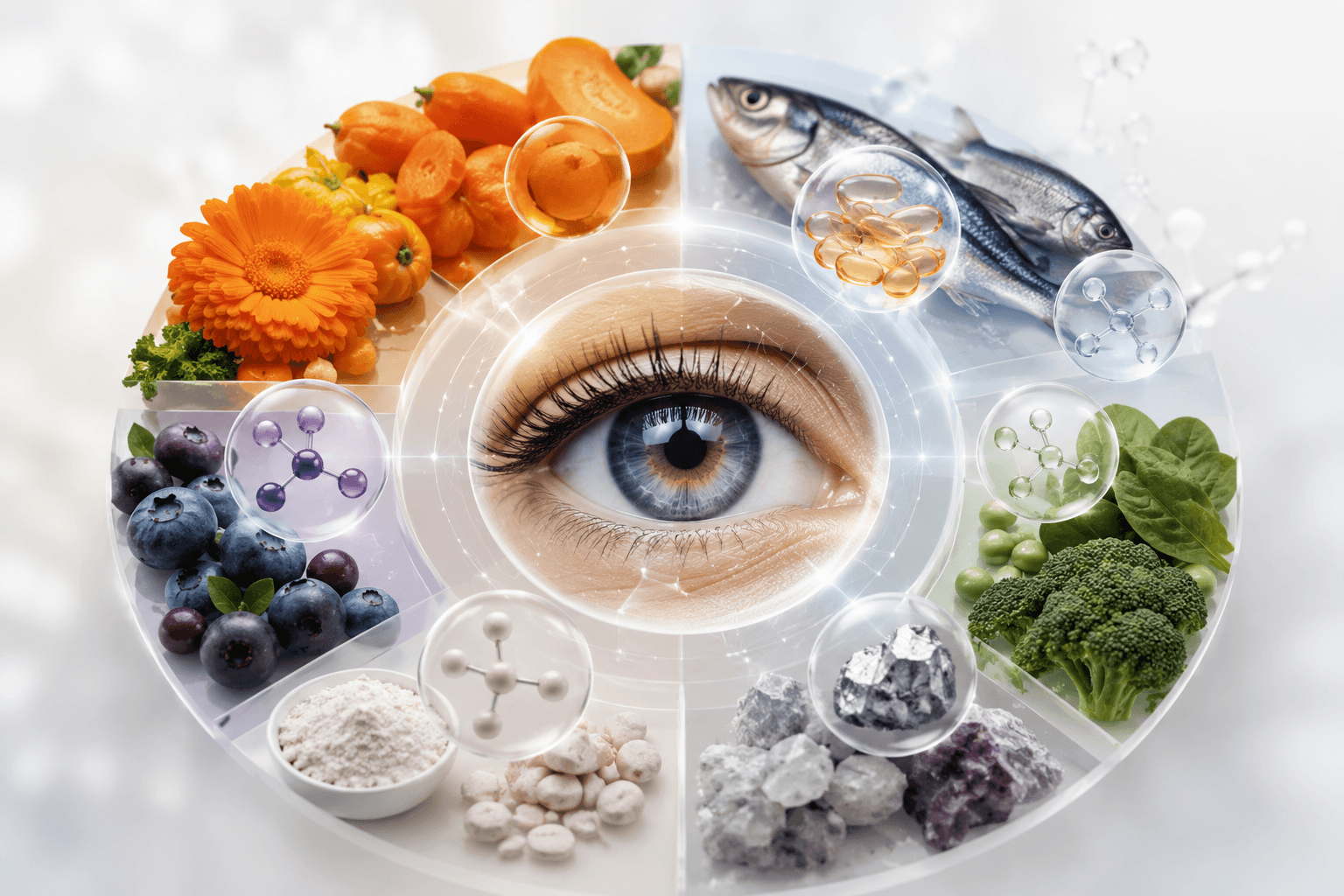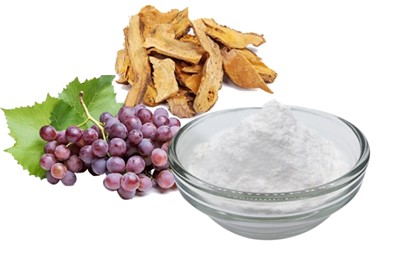

Hyaluronic acid is a well-known additive in human skincare products and nutritional supplements. This trend is now being seen in pet food products, with a growing number of pet food products now featuring hyaluronic acid as an added ingredient. As pet owners are now faced with these products, which are often expensive, they are naturally wondering whether this is a hope or hype.
The Use of Hyaluronic Acid in Pet Food Is Not Uncommon
In fact, when it comes to the use of hyaluronic acid as a functional pet food ingredient in the U.S. market, it is more prevalent and established than consumers think. This is supported by a well-developed regulatory framework.
According to standards set by the Association of American Feed Control Officials, sodium hyaluronate is officially recognized as approved feed ingredient. For example, Oregon's official list of approved feed ingredients explicitly includes sodium hyaluronate.[1]
Similar to markets in Europe and Japan, there is already a wide variety of pet food products with hyaluronic acid available in the U.S. market. From joint health diets for mature dogs and cats to various functional treats and supplements, there are various products.

Why Add Hyaluronic Acid to Pet Food?
Hyaluronic acid is a natural substance found in an animal's body. You can find it in places like the skin, the fluid around the joints, and the eyes. It has some pretty important jobs.
- It's really good at holding in water, which helps keep skin moist.
- It also helps keep joints flexible and acts like a cushion to protect them.
- On top of that, the body handles it well without any bad reactions.
The problem is, as pets get older, their bodies start to make less of it.
Some health issues can also cause this drop. When that happens, your pet's skin could get dry, and their joints might also start to wear down more easily.
Given that hyaluronic acid is replenished with what is deficient in it, adding it to pet food is believed to compensate for its reduced production in animals through supplementation. Hyaluronic acid in pet food is also believed to be ingested and transported to areas of use, such as the skin and joints, for overall benefits.
Main Claims of Pet Food with Hyaluronic Acid
Pet food brands that add hyaluronic acid usually make three main promises about what it can do for your dog or cat.
1. For Skin and Coat
They say it feeds the skin from the inside. It adds moisture to dry skin. This should make your pet's coat shinier and look healthier.
2. For Joints
They claim it helps keep joints moving smoothly. It may also help manage arthritis pain or even stop it before it starts.
3. For Digestion
Some brands go even further. They say it can help heal the stomach lining. They also claim it supports the gut and keeps the urinary tract healthy.
Are These Claims True?
This is the most important question for any pet owner. Based on current scientific research, some of these claims are supported by evidence, while others may be somewhat exaggerated.
-- Supporting Evidence: Some Benefits Are Backed by Science
A multi-center study published in 2025 in Frontiers in Veterinary Science discovered that dogs with osteoarthritis experienced considerable benefits in terms of mobility and quality of life when taking a supplement containing hyaluronic acid.[2] Additionally, veterinary clinical experience also suggests that hyaluronic acid helps arthritic animals in a positive way.[3]
Regarding skin health, a 2025 review in the Pakistan Veterinary Journal noted that hyaluronic acid promotes skin wound healing due to its unique properties. Its moisture-retaining property is helpful in improving animal skin condition. What's more, oral supplementation is valid in supporting animal joint fluid constituents. And the effect may be seen within 7-10 days.
-- Questions and Limitations
Yet, there is some room for doubt.
First, there is the bioavailability of hyaluronic acid taken orally. This is a rather large molecule, and the extent to which it can be absorbed from the gastrointestinal tract and delivered to its target tissues is still under scientific debate.
Second, hyaluronic acid is a dietary supplement, and its effect is slow and subtle. It does not act like a quick-acting pharmaceutical. Its benefits are long-term, and its benefits for severe arthritis are questionable.
Other Uses for Hyaluronic Acid in Pets
Hyaluronic acid isn't just found in food. It's also used in vet clinics and pet care products.
In Veterinary Medicine
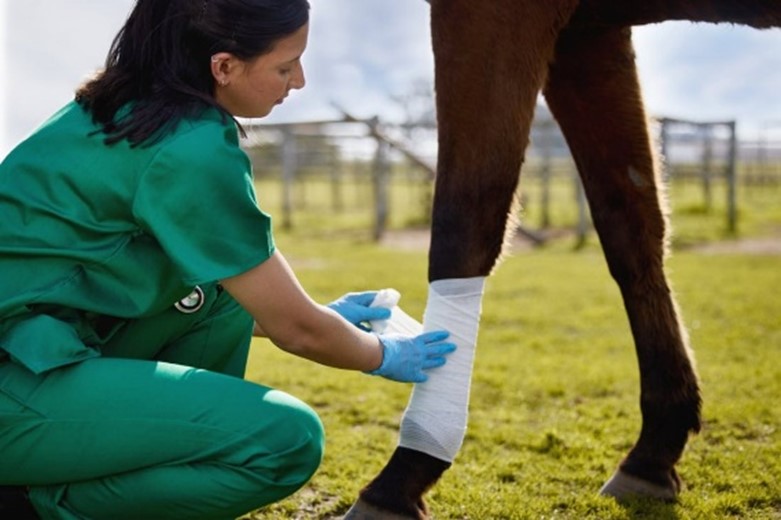
Vets often use injectable hyaluronic acid to help dogs and cats with sore joints. It can also help wounds heal faster after surgery. During eye surgeries, like fixing cataracts, vets use it to protect the eye.
In Pet Care Products
You can now find hyaluronic acid in many pet products. There are paw balms to soften dry paws. There are waterless foams you rub into the skin. There are also eye drops to keep the eyes moist. These products work right where you put them.
Stanford Chemicals Company (SCC) supplies food-grade, pharmaceutical-grade, and injectable sodium hyaluronate to meet various application needs for pets and horses.
Frequently Asked Questions
Q: Is hyaluronic acid in pet food safe for my dog or cat?
Yes, it's safe. Sodium hyaluronate is an approved ingredient in pet food. Good brands use high-quality, food-grade sources. Studies also show that normal amounts won't harm your pet.
Q: Should I feed this to my pet?
It depends. Here's a simple guide:
- Try it if your pet has dry, itchy skin or a dull coat.
- Consider it for senior pets or breeds with bad joints (like Goldens, German Shepherds, or Scottish Folds). It can help support their daily joint health.
- Don't expect much if your pet is young and healthy. They already make plenty of their own hyaluronic acid, so you probably won't see a big change.
Q: How do I pick a good one?
Don't just buy into the hype. Follow these tips:
- Check the whole bag first. Is the food high in meat? Does it skip junk like too much grain? Good overall nutrition matters most.
- Look for it on the label. Make sure "hyaluronic acid" or "sodium hyaluronate" is actually in the ingredient list.
- Stick with trusted brands. Go with a company that has a good reputation.
- Watch your pet, but be patient. See how they do on the food. Just remember, it's not magic. Don't expect overnight results.
Conclusion
In summary, it is not pseudoscientific to add hyaluronic acid to pet food. Research has shown that it is effective in cats and can help with skin moisture levels, improve coat quality, and even boost antioxidant levels. Its use in relation to joint support in dogs is preliminary but shows promise.
It is always good to keep things in perspective. Hyaluronic acid is not used as a treatment but as a dietary supplement and health enhancer. Its impact is not dramatic and must be used over time. It is not recommended to either follow the bandwagon blindly or dismiss it outright, but to use it in relation to what is best for your pet.