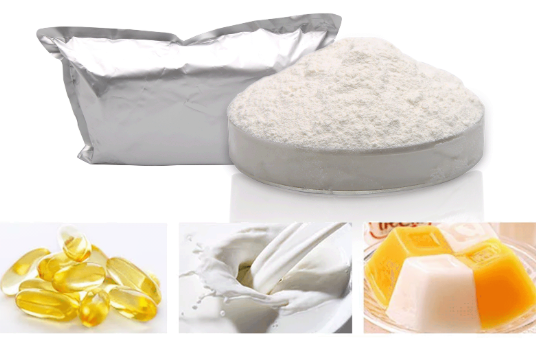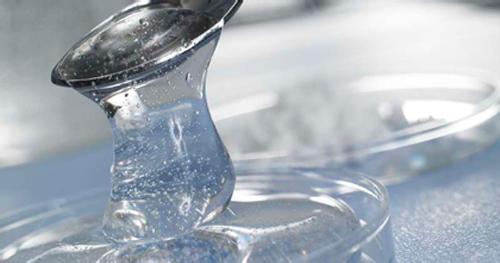

Hyaluronic acid (HA, also known as sodium hyaluronate) can help improve scars—especially the atrophic ones, like depressed scars.
It works mainly by physically filling in the scar, stimulating collagen production, and improving skin hydration. That said, how well it works really depends on the type of scar, the form of hyaluronic acid used, and the treatment method.
To give you a clearer picture of how hyaluronic acid performs on scars, here's a roundup of studies and trials from recent years.
|
Scar Type |
Treatment Method |
Type of Hyaluronic Acid |
Key Results & Data |
Source |
|
Depressed acne scars |
Injection |
High-concentration cross-linked HA (4.5%) |
Scar depth reduced by an average of 20% after 4 months; severity score improved by 31% |
2025 clinical study[i] |
|
Depressed acne scars |
Injection |
HA filler (VYC-17.5L) |
Results lasted up to 2 years; 92% of patients were still satisfied after 2 years |
2024 clinical trial[ii] |
|
Post-surgical depressed scars |
Injection |
High-viscosity HA filler |
All 10 patients reported satisfaction (rated 4–5 out of 5); no complications |
2026 retrospective study[iii] |
|
Burn scars |
Injection |
Non-cross-linked HA |
Significant improvements in scar vascularity and pigmentation; patient satisfaction rated "good" to "excellent" |
2024 clinical trial[iv] |
|
Various facial scars |
Microneedling combined with topical HA |
Scar severity improved by 46.4% |
2026 clinical study[v] |
|
|
Post-surgical facial scars |
Microdermabrasion combined with HA injection |
Composite scores showed better improvement than microdermabrasion alone |
2025 randomized controlled trial[vi] |
|
How Hyaluronic Acid Improves Scars
We all know hyaluronic acid is a natural component of our skin and that it's a powerhouse when it comes to holding in moisture. But there's more to it. It works alongside collagen to help keep skin firm and elastic.
Hyaluronic acid, collagen fibers, elastic fibers, reticular fibers, and so on are the main components that make up the dermis.
1. Filling in the dips
For scars caused by collagen loss—like acne pits—injecting a highly cross-linked HA can literally fill in the depression, restoring a smooth surface.
2. Boosting collagen production
When HA is injected into the dermis, it physically stretches fibroblasts, which kicks them into gear to produce fresh collagen. This addresses the scar's texture and elasticity at the root, and it's one of the main reasons the results can last so long.
3. Creating the right healing environment
Hyaluronic acid is a moisture magnet—it dramatically improves hydration in the scar area. It also has anti-inflammatory, antimicrobial, and antioxidant properties, which create a solid foundation for skin repair. Some basic research even suggests it helps recreate a "fetal-like" healing environment that reduces the expression of fibrotic factors, ultimately helping minimize scar formation.
Read more: Hyaluronic Acid and Collagen: The Perfect Combination for Healthy Skin
Is Hyaluronic Acid a One-Size-Fits-All Solution for Scars?
Definitely not.
Hyaluronic acid doesn't work for every scar type. Right now, the strongest evidence supports its use for depressed scars—things like acne pits, chickenpox scars, and indented scars from injuries or surgeries. For raised scars like hypertrophic scars or keloids, HA usually isn't the first-line treatment.
Scar treatment is a medical procedure and should always be done by a dermatologist or plastic surgeon at a legitimate medical institution. They'll assess your specific situation and decide on the right type of HA, injection depth, and whether combination therapy makes sense.
Common types of hyaluronic acid:
- Non-cross-linked HA – used for microneedling or as part of "skin booster" treatments
- Cross-linked HA – used for filler injections
While HA injections alone can be effective, clinical studies often combine them with fractional lasers, microneedling, or PRP (platelet-rich plasma) to get a "1+1>2" synergistic effect.
Conclusion
All in all, hyaluronic acid is an effective and safe option for improving depressed scars—especially if you're looking to avoid surgery or laser treatments. But to get the best results, it really comes down to three things: finding the right doctor, using the right product, and applying the right technique.