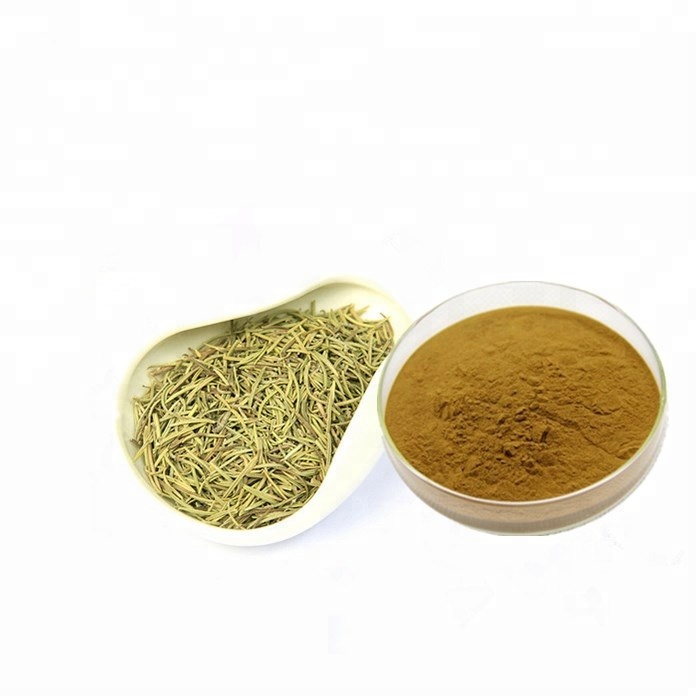

If you've ever looked at the back of a shampoo bottle, you know the ingredient list can be a mouthful. But those active ingredients are actually there to target specific hair and scalp issues. Understanding what they do can help you pick the right product for your needs.
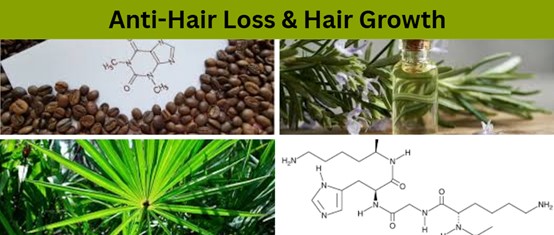
1. Ingredients for Hair Growth and Preventing Hair Loss
These ingredients work in two main ways: either they block the effects of androgens on hair follicles, or they improve nutrient supply and blood flow to the scalp.
Caffeine is an alkaloid. Studies show it can inhibit the activity of 5-alpha-reductase, the enzyme that turns testosterone into dihydrotestosterone (DHT). DHT is the main culprit behind androgenetic alopecia—it shrinks hair follicles and shortens the growth phase of hair. Caffeine also stimulates the growth of dermal papilla cells, which are key to hair production. In hair products, caffeine is usually added in a water-based solution and works after being absorbed through the scalp.
Rosemary extract is a pretty popular herbal ingredient. It helps by boosting microcirculation in the scalp, which means more oxygen and nutrients get delivered to hair follicles. One clinical study even found that rosemary oil was just as effective as 2% minoxidil for hair growth, and people using it reported less scalp itching.
Saw palmetto extract comes from the fruit of the saw palmetto plant. It also blocks 5-alpha-reductase, making it a plant-based androgen antagonist. It's gentler than prescription meds, so it's often used in scalp care products meant for long-term use.
Acetyl tetrapeptide-3 is a bioactive peptide. These small molecules can penetrate the outer layer of the skin and stimulate the production of extracellular matrix around hair follicles, helping push hair from the resting phase back into the growth phase. Clinical studies have shown that products with this ingredient can reduce the amount of hair people shed.
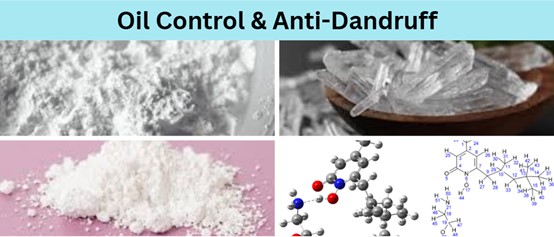
2. Ingredients for Oil Control and Dandruff Relief
Dandruff usually comes down to three things: too much Malassezia yeast, too much oil, or a compromised scalp barrier.
Zinc pyrithione is an organic zinc compound with broad antibacterial and antifungal properties. It's one of the most common active ingredients in anti-dandruff shampoos because it keeps Malassezia in check. Most people use it two or three times a week, depending on how their scalp feels.
Menthol is a terpene compound that activates TRPM8 cold receptors, giving you that cooling sensation. It also has mild antimicrobial and anti-inflammatory properties, so it can help calm an itchy scalp.
Salicylic acid works by breaking down keratin and helping shed dead skin cells. It's useful for dandruff that comes with flaky buildup and clogged follicles. You'll usually find it at concentrations between 0.5% and 2%—anything higher can dry out your scalp.
Piroctone olamine is a zinc-free anti-dandruff agent. It works in a similar way to zinc pyrithione but is a good alternative for people who are sensitive to zinc-based ingredients.
3. Ingredients for Damage Repair
Things like heat styling, bleaching, dyeing, and UV exposure can damage the cuticle and cortex of your hair, leaving it dry, split, and brittle.
Keratin is the main protein that makes up your hair. Adding it to hair products helps replenish the protein that's been lost and fills in gaps in the cuticle. Hydrolyzed keratin has a small molecular size, so it can actually penetrate into the cortex and improve hair strength and heat resistance.
Panthenol is a precursor to vitamin B5. It soaks into the cortex, pulls in moisture, and forms a hydrating film that smooths down damaged cuticles, leaving hair shinier and softer.
Serine is an amino acid, and amino acids are the building blocks of natural moisturizing factors. It can penetrate the hair shaft to help balance moisture levels and cut down on static and frizz.
Biotin—also called vitamin B7 or vitamin H—works as a cofactor for enzymes involved in protein metabolism. It helps support keratin production. When people are deficient in biotin, their hair can become brittle and break easily.
4. Ingredients for Moisture and Nourishment
These ingredients are all about keeping your hair hydrated and smoothing out dryness and frizz.
Camellia seed oil contains saponins and flavonoids. Its fatty acid profile is pretty similar to the oils your skin naturally produces, so it penetrates well. It forms a protective film on the hair that locks in moisture, and it may also help stimulate dermal papilla cell growth.
Aloe vera is packed with anthraquinones and polysaccharides. It has antimicrobial and anti-inflammatory properties and is sometimes used in clinical settings to help with seborrheic dermatitis and related hair loss.
Arginine is an alkaline amino acid that can help improve scalp microcirculation. It also plays a role in keratin synthesis.
Stanford Chemicals Company (SCC) offers a wide range of ingredients for personal care needs such as skincare and haircare.
FAQs
Q: Are caffeine shampoos an effective solution to hair loss?
Caffeine-based shampoos can be an adjunct therapy for androgenetic alopecia. However, if you're already experiencing some form of hair loss, you're better off consulting a dermatologist about more serious medications like minoxidil or finasteride.
Q: What are silicone-free and silicone-based shampoos?
Silicones are polymers that are deposited on the hair surface to provide smoothness. Plant oils are used in silicone-free shampoos. If you have fine hair, you may want to use a silicone-free shampoo. If you have damaged, thick, or coarse hair, you may want a silicone-based shampoo.
Q: Can I use an anti-dandruff shampoo daily?
It's better to limit your use to two or three times a week. If you use it too frequently, your scalp might dry out. You could consider an alternative shampoo for daily washing.
Q: Do biotin supplements help in preventing hair loss?
Yes, but only if you are deficient in biotin. If your levels are normal, then there are no clear indications. It would be best to consult a medical practitioner to check if you need to take supplements.
Q: Are plant-based chemicals better for your hair compared to man-made ones?
No. While plant-based chemicals are derived from nature, there are chances for an allergic reaction to occur. It all depends on your tolerance to the chemicals.