
Melatonin is widely recognized for its role in regulating sleep, but its biological functions extend well beyond the human sleep-wake cycle. This naturally occurring compound is involved in circadian rhythm regulation in animals and participates in growth, development, and stress responses in plants.
Although the same molecule is involved in both fields, its biological roles and practical applications differ considerably. In human health, melatonin is primarily studied for sleep and circadian rhythm disorders, as well as certain applications in perioperative care. In agriculture, research focuses on its potential to support plant development, improve stress tolerance, and maintain crop quality.
1. Melatonin Applications in Human Health
In humans, melatonin is a hormone produced mainly by the pineal gland. Its secretion typically increases in response to darkness, providing the body with a signal that helps coordinate the internal biological clock with the day-night cycle.
1.1 Melatonin for Sleep and Circadian Rhythm Regulation
Sleep and circadian rhythm management remain the best-known applications of melatonin. Unlike conventional sedatives, melatonin primarily influences the timing of the sleep-wake cycle rather than simply inducing unconsciousness.
Supplemental melatonin may be helpful for people experiencing jet lag, delayed sleep timing, or other forms of circadian misalignment. Depending on the timing of administration, it can help shift the body's internal clock toward a more appropriate sleep schedule.
Its benefits for general insomnia, however, are less consistent. Research suggests that melatonin produces modest average improvements in sleep onset and total sleep time, with results varying among individuals and study populations. It may be more useful when sleep difficulties are associated with circadian rhythm disruption than when they are primarily driven by pain, anxiety, or behavioral factors.
Age-related changes in endogenous melatonin production have also attracted research interest. Nevertheless, a decline in melatonin secretion does not automatically mean that supplementation is necessary, and treatment decisions should consider the underlying cause of sleep problems
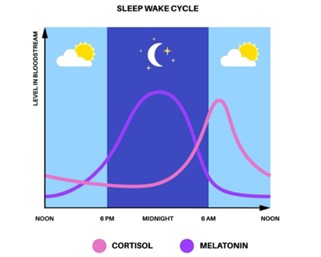
Fig. 1. Melatonin signaling and its role in sleep regulation.
For a more detailed discussion, see Is Taking Melatonin Useful for Frequent Sleeplessness?.
Stanford Chemicals supplies high-purity melatonin powder for research and manufacturing applications, alongside a range of chemical compounds and plant extracts.
1.2 Melatonin and Preoperative Anxiety
Another area of clinical research is the use of melatonin to help reduce anxiety before surgery.
A 2020 Cochrane systematic review examined 18 studies involving 1,264 participants. The findings suggested that melatonin may reduce preoperative anxiety in adults compared with placebo, although the certainty of evidence and the size of the benefit varied across studies.[1]
More recent research has continued to investigate this application. A randomized comparative trial published in 2025 evaluated melatonin and gabapentin for reducing preoperative anxiety, reporting favorable results for melatonin under the study conditions.[2]
These findings indicate that melatonin may have a role in perioperative care, but it should not be considered a universal substitute for established anxiety management strategies. Its use before surgery should be discussed with the treating medical team, particularly because medication timing, interactions, and individual health conditions can affect its suitability.
1.3 Safety Considerations for Melatonin
Melatonin is not appropriate for everyone in every circumstance. Its safety depends on factors such as age, pregnancy status, medical history, dosage, and duration of use.
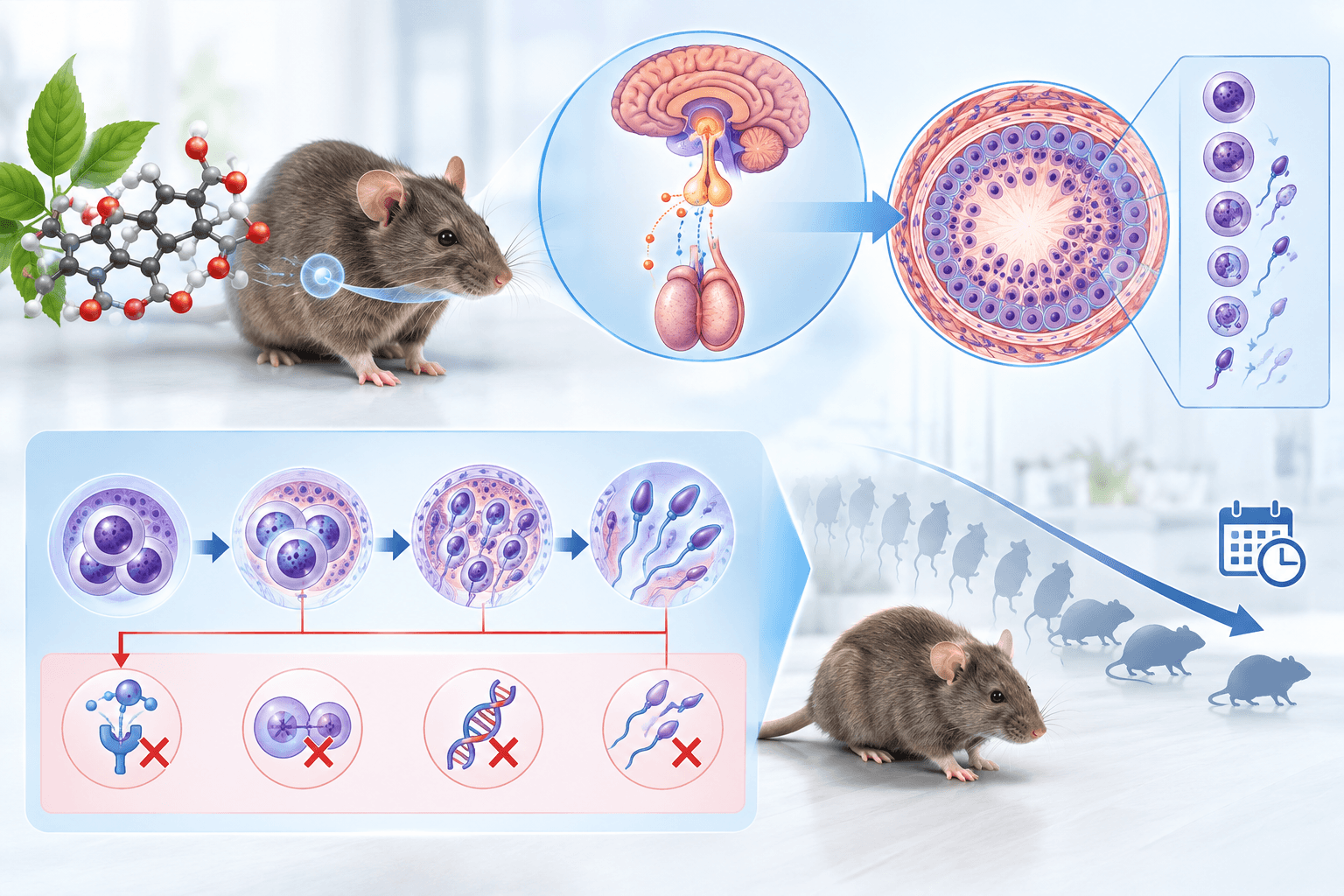
- Children and adolescents: Melatonin may be recommended in certain pediatric sleep conditions under professional supervision. Long-term use, however, requires careful consideration because evidence on some developmental and reproductive outcomes remains limited. It should not be used routinely without appropriate guidance.
- Pregnancy and breastfeeding: Evidence regarding melatonin supplementation during pregnancy and breastfeeding remains insufficient to establish its safety in all circumstances. Medical advice is recommended before use.
- People with kidney disease: Kidney disease can affect medication management and may alter the considerations surrounding supplementation. Individuals with nephritis or other kidney conditions should consult a healthcare professional rather than assume that melatonin is either universally prohibited or automatically safe.
- People taking other medications: Melatonin may interact with certain medicines, and it can cause effects such as daytime drowsiness or dizziness. A healthcare professional can help assess potential interactions and appropriate use.
Overall, melatonin should be used according to individual needs and available clinical evidence rather than as a general-purpose sleep aid.
2. Melatonin Applications in Agriculture
In plants, melatonin functions as a signaling molecule involved in growth, development, and responses to environmental stress. It is also associated with antioxidant defense, helping plants manage reactive oxygen species that can accumulate under unfavorable conditions.
Research suggests that melatonin may influence antioxidant enzyme activity, photosynthetic performance, nutrient balance, and stress-response pathways. These effects have made it an increasingly important subject in agricultural and horticultural research.
Potential applications include supporting seed germination, improving plant establishment, increasing tolerance to environmental stress, and extending the quality of harvested produce. However, the outcomes depend on the crop species, developmental stage, application method, concentration, and environmental conditions.
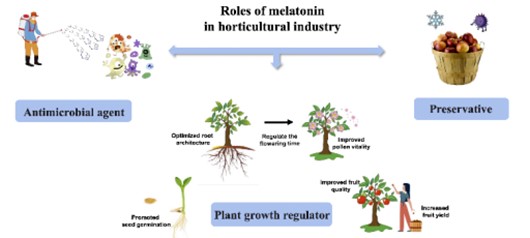
Fig. 2. Potential roles of melatonin in horticultural production.[3]
2.1 Supporting Plant Growth and Development
Melatonin has been investigated for its ability to regulate several stages of plant development, from seed germination to root formation, vegetative growth, flowering, and fruit development.
At suitable concentrations, exogenous melatonin may promote root growth and influence leaf development by interacting with plant hormones and related signaling pathways. Better-developed root systems can help plants acquire water and nutrients, while changes in leaf development may affect photosynthetic capacity.
Its effects are not always positive at every concentration. Plant responses can vary significantly according to species, treatment timing, and growing conditions. Consequently, application rates need to be optimized for individual crops rather than generalized across all agricultural systems.
2.2 Improving Plant Resistance to Environmental Stress
One of the most actively researched agricultural applications of melatonin is its potential to improve plant tolerance to abiotic stress. Drought, salinity, temperature extremes, excessive light, and heavy metal exposure can all interfere with plant metabolism and reduce crop productivity.
Melatonin may help mitigate these effects through antioxidant defense, cellular protection, and the regulation of stress-responsive pathways.
Temperature stress: Research on tomato seedlings indicates that melatonin treatment may help preserve photosynthetic activity and nutrient uptake under low-temperature conditions. Improved physiological performance can support recovery when plants return to more favorable environments.
Soil acidity and nutrient stress: Studies involving spinach and other crops have examined melatonin's potential to improve seed germination, root development, and growth under challenging soil conditions. The magnitude of the response depends on soil chemistry, treatment conditions, and plant variety.
Light competition: In intercropping systems, shading can restrict photosynthesis and reduce crop productivity. Experimental research on maize-soybean systems has investigated foliar melatonin treatments as a way to mitigate some of the physiological effects of shading. Yield responses remain dependent on the experimental setup and should not be assumed to apply to every production system.
Other environmental pressures: Research has also explored melatonin's role in plant responses to drought, salinity, and exposure to potentially toxic metals such as cadmium and aluminum. Proposed mechanisms include maintaining cellular redox balance, protecting photosynthetic machinery, and regulating stress-related gene expression.
Although these findings are promising, much of the evidence remains experimental. Field validation, dose optimization, and cost-effectiveness assessments are important before melatonin-based treatments can be widely adopted in commercial agriculture.
2.3 Maintaining Postharvest Quality
Melatonin is also being studied for its potential to preserve harvested fruits and vegetables. After harvest, produce continues to undergo respiration, oxidation, softening, and other physiological changes that contribute to quality loss.
In experimental settings, melatonin treatments have been associated with improved antioxidant capacity, delayed senescence, and reduced deterioration in certain horticultural products. Depending on the crop and treatment method, these effects may help maintain firmness, appearance, and nutritional quality during storage.
However, the effectiveness of postharvest treatment varies by commodity, concentration, storage temperature, and application method. Further validation is needed to establish commercially practical protocols for individual products.
3. Human Health and Agricultural Applications: A Comparison
Although melatonin is the same chemical compound in both settings, its practical role differs according to the biological system.
|
Aspect |
Human Applications |
Agricultural Applications |
|
Primary role |
Circadian rhythm signaling |
Plant growth and stress-response signaling |
|
Main research areas |
Sleep timing, jet lag, preoperative anxiety |
Germination, growth, stress tolerance, postharvest quality |
|
Key mechanisms |
Melatonin receptor signaling and circadian regulation |
Antioxidant defense, hormonal crosstalk, stress-response pathways |
|
Evidence considerations |
Clinical outcomes and patient safety |
Species-specific and condition-dependent experimental outcomes |
|
Main limitation |
Benefits vary by condition and individual |
Responses depend on crop, dose, and environment |
4. Conclusion
Melatonin has a broader range of potential applications than its familiar association with sleep might suggest. In human health, it is primarily studied for circadian rhythm regulation and selected clinical applications, including preoperative anxiety. In agriculture, it is investigated as a signaling molecule that may support plant growth, strengthen responses to environmental stress, and help preserve postharvest quality.
The two fields share an interest in melatonin's biological activity but require different approaches to evaluating its effectiveness and safety. Clinical evidence is essential for human use, while crop-specific trials and field validation are necessary for agricultural applications.
For researchers and manufacturers, understanding these distinctions can help guide the selection of appropriate melatonin raw materials and the development of application-specific products.
Stanford Chemicals provides high-purity melatonin powder for research and production needs. For product specifications and supply inquiries, visit the melatonin powder product page.