
Dihydroquercetin (DHQ) and dihydromyricetin (DHM) differ mainly in their chemical structure, biological activity, and where they're best applied.
Chemical Structure and Sources
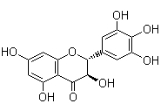
Both compounds belong to the dihydroflavonol class, but there are subtle structural differences. DHQ has a catechol structure on its B-ring and is primarily extracted from plants like larch. DHM, on the other hand, has a pyrogallol structure on its B-ring and can reach concentrations as high as 38.5% in vine tea. In terms of molecular formula, DHM has one more oxygen atom than DHQ (C₁₅H₁₂O₈ vs. C₁₅H₁₂O₇).
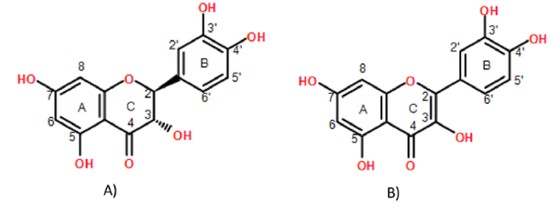
Chemical structure of (A) dihydroquercetin (DHQ), and (B) quercetin (Q)
Differences in Biological Activity
When it comes to anti-tumor activity, a study on H22 tumor-bearing mice showed that the high-dose DHQ group (30 mg/kg) achieved a tumor inhibition rate of 58.8%, outperforming DHM. Both compounds increased immune organ indices, raised IL-2 and TNF-α levels, enhanced SOD activity, and reduced MDA levels—suggesting that their anti-tumor mechanisms both involve boosting antioxidant capacity and immune function.
That said, DHM has been studied more extensively for neuroprotection. Research shows that DHM improves cognitive and motor function in animal models of brain aging and neurodegenerative diseases such as Alzheimer's, Parkinson's, and Huntington's. Its mechanisms involve modulating BDNF and SIRT1 pathways. DHQ also shows neuroprotective effects—such as reducing Aβ protein formation—but more research is needed to establish the structure-activity relationship for both compounds.
Application
DHQ has been registered as a pharmaceutical active ingredient and is also sold as a dietary supplement. Its applications span food, nutraceuticals, skincare, and pharmaceuticals. DHM, meanwhile, has drawn more attention due to its high content in vine tea, with research focusing on metabolic regulation (such as improving glucose and lipid metabolism in patients with non-alcoholic fatty liver disease) and neuroprotection.
Summary
DHQ and DHM are both promising natural flavonoids. The right choice depends on the specific application you're targeting.