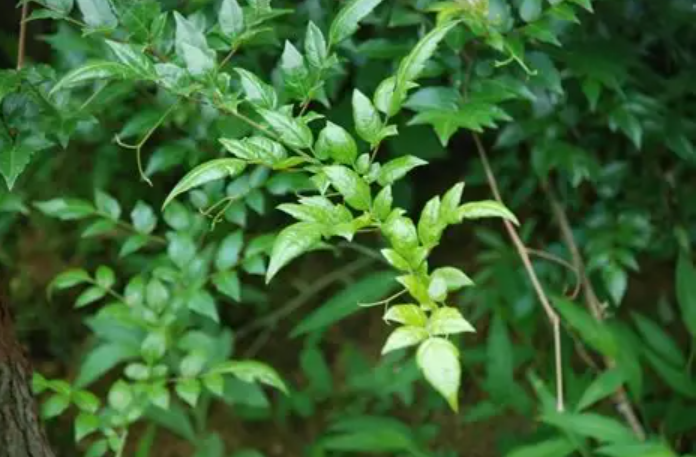
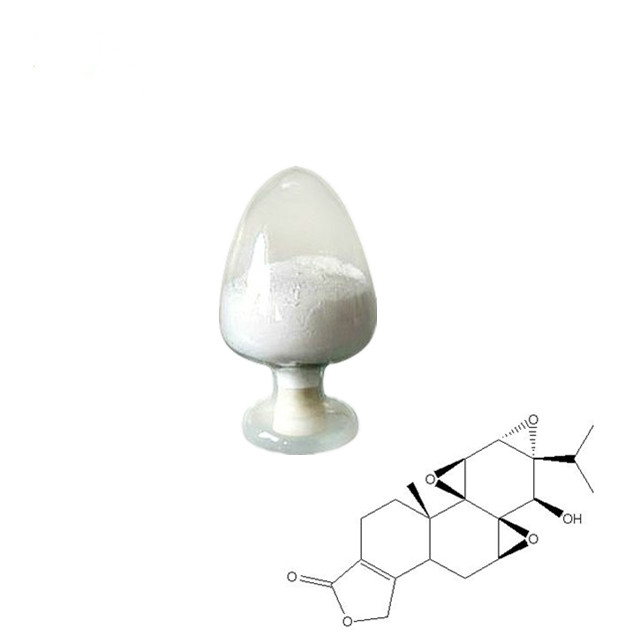
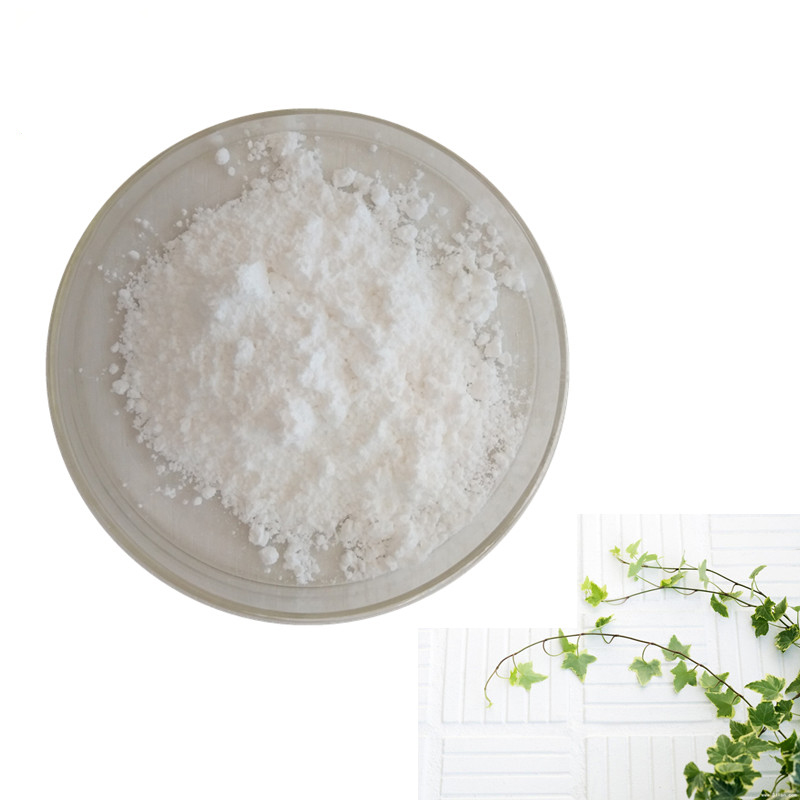
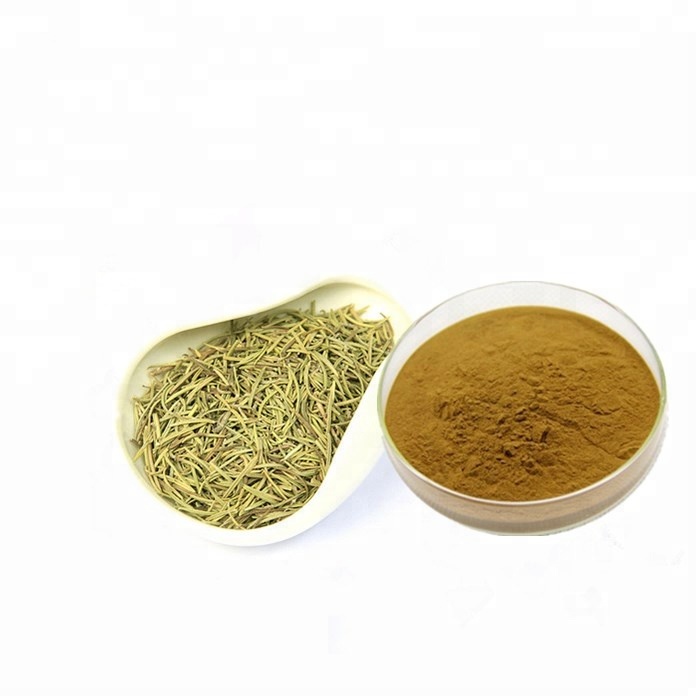

Triptolide is extracted from the Thunder God Vine plant. It doesn't just kill some rodents outright — it also damages the reproductive systems of male rats, which is what makes long-term rodent control possible.
The Dual-Action Mechanism Behind Triptolide's Rodent Control
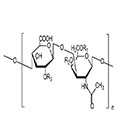
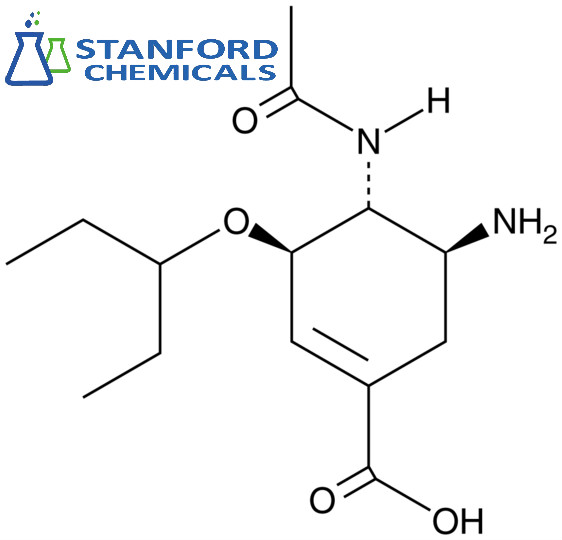
Triptolide, also known as triptolide lactone alcohol (TPL), is an epoxy diterpene lactone compound extracted from the roots, leaves, flowers, and fruit of the Celastraceae plant Tripterygium wilfordii. It shows up as white needle-shaped crystals, with a molecular formula of C20H24O6 and a melting point of 226–227°C. It's chemically stable but doesn't dissolve easily in water. Traditional chloroform ultrasonic extraction is a fairly efficient way to prepare it.
Triptolide doesn't take just one pathway to kill rodents — it works through two mechanisms that team up:
Short-term lethal action
Triptolide acts as a chronic stomach poison against pest rodents. After they eat bait containing the compound, the drug keeps hammering their digestive system, eventually killing them. This is what directly knocks down the existing rodent population.
Long-term anti-fertility action
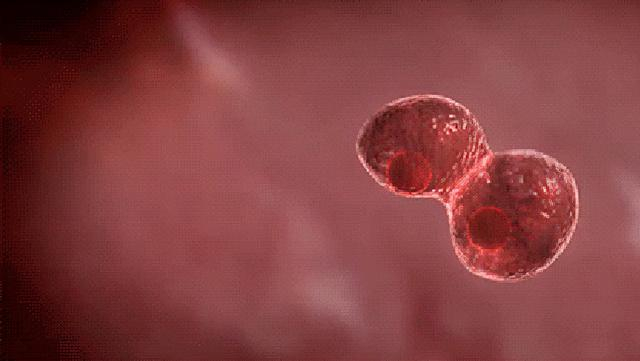
This is the real standout mechanism. Triptolide mainly targets the male reproductive system, specifically damaging spermatogenic cells in the testes. That sharply reduces or completely shuts down sperm production, leaving male rats infertile.[i] This "male sterility" effect puts the brakes on population growth at the source — delivering long-term, sustainable rodent control.
Triptolide Combined with VCD for Rodent Control
The combination of triptolide and VCD (4-vinylcyclohexene dioxide) is a rodent sterilant that's been researched and commercially applied.
Triptolide goes after the male reproductive system. As a kind of backup insurance, VCD targets the female rat's ovaries. VCD specifically and permanently wipes out primordial follicles in the ovaries, speeds up follicular atresia, and causes premature ovarian failure and infertility. And this infertility is irreversible.
This combination is both more effective and frankly necessary.
VCD on its own has limited punch at low concentrations or short exposure times — it can't rapidly cause ovarian failure. But pairing VCD with triptolide lets you hit follicles at different developmental stages in the ovary all at once (primordial, secondary, and antral follicles), achieving faster and more thorough follicular depletion.[ii] Experimental data shows that adding 50 μg/kg body weight of triptolide to VCD-containing bait cut rat primordial follicles by 50%, secondary follicles by 64%, and antral follicles by 80% — with corpus luteum completely gone.
What Makes Triptolide a Strong Rodenticide
Triptolide brings several advantages to the table as a rodenticide. Using rodenticides with triptolide as the main ingredient can deliver these standout results:
- Long-lasting control: Its anti-fertility properties rein in population numbers at the reproductive source, so the effect sticks around.
- Low resistance risk: Unlike traditional chemical rodenticides, pest rodents don't easily build up resistance to triptolide, making it a good fit for long-term, cyclical use.
- Good palatability and relatively fast action — rodents take to it without much fuss.
Triptolide is Safer and More Environmentally Friendly
Triptolide rodenticide's strengths aren't just about effectiveness — they extend to its environmental friendliness and safety profile.
Triptolide comes from natural plant extracts and breaks down relatively easily in the environment, leaving no residual contamination. It's easier on ecosystems and biodiversity.
Triptolide doesn't fall into the highly toxic or extremely toxic pesticide category. It's allowed for large-scale use in public areas like farmland, which makes management more convenient.
A key scientific basis for its safety comes down to species-specific toxicity. Triptolide's toxicity varies across different mammals. It works on rodents but has low toxicity to sheep, rabbits, cats, and fish. That said, keep in mind these observations are mainly based on crude plant extracts — purified triptolide has been confirmed to have clear acute toxicity in rodents, so dosage has to be strictly controlled. Also worth noting: it's highly toxic to humans, dogs, and pigs. It can even pass through breast milk and affect infants, so nursing mothers should strictly avoid contact.
Stanford Chemicals Company offers triptolide powder suitable for rodenticide development and large-scale production. For specifications and supply options, feel free to reach out to the SCC team.