
In a previous article, we explored whether melatonin is useful for frequent sleeplessness, covering how it works, who it helps, and how to take it safely. That piece focused on melatonin's role as a sleep aid.
This article takes a broader view. Melatonin is more than just a "sleep hormone." Research over the past two decades has revealed that it plays a much wider role in human health, from antioxidant defense to immune regulation and beyond. For formulators, supplement brands, and researchers, understanding the full range of melatonin powder applications is essential.
Melatonin as a Sleep Regulator
Melatonin is produced by the pineal gland and regulated by light exposure. When darkness falls, melatonin secretion rises, signaling the body to prepare for sleep. It helps shorten sleep onset time and reduce nighttime awakenings.
Supplemental melatonin is most effective for two types of insomnia: age-related primary insomnia and circadian rhythm disruptions such as jet lag or shift work. It is not effective for secondary insomnia caused by underlying health conditions or psychological factors.
Beyond Sleep: Melatonin's Antioxidant Power
One of the most actively researched areas of melatonin is its antioxidant activity. Unlike conventional antioxidants such as vitamin C or vitamin E, melatonin works through multiple mechanisms:
- Direct free radical scavenging: Melatonin neutralizes reactive oxygen species (ROS) and reactive nitrogen species (RNS), including hydroxyl radicals and peroxynitrite.
- Indirect antioxidant effects: It stimulates the expression of antioxidant enzymes such as superoxide dismutase (SOD), catalase, and glutathione peroxidase.
- Mitochondrial protection: Melatonin concentrates in mitochondria, where it reduces oxidative damage at the source of cellular energy production.
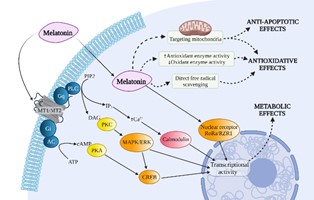
Fig 1. Mechanisms of action of melatonin[1]
Because of these properties, melatonin powder is being studied for applications in aging research, neuroprotection, and conditions associated with oxidative stress.
Immune Modulation and Anti-Inflammatory Effects
Melatonin receptors are found on immune cells, and research shows that melatonin can modulate both innate and adaptive immunity. It influences the production of cytokines, regulates inflammatory pathways, and may help balance immune responses.
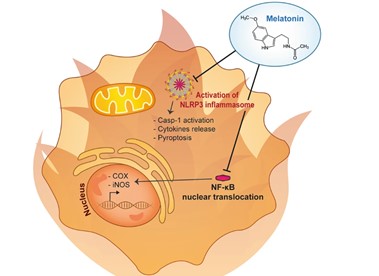
Fig 2. Anti-inflammatory effects of melatonin[2]
This has led to interest in melatonin for:
- Supporting immune function in older adults
- Modulating inflammation in chronic conditions
- Adjunctive use in certain autoimmune models (though clinical evidence is still emerging)
Metabolic and Endocrine Applications
Melatonin also helps regulate metabolism. Studies suggest it influences insulin sensitivity, glucose metabolism, and body weight regulation. Melatonin receptors are present in pancreatic islets, and melatonin may affect insulin secretion.
Additionally, researchers have studied melatonin's effects on reproductive hormones, bone metabolism, and thyroid function, though these areas require further clinical validation.
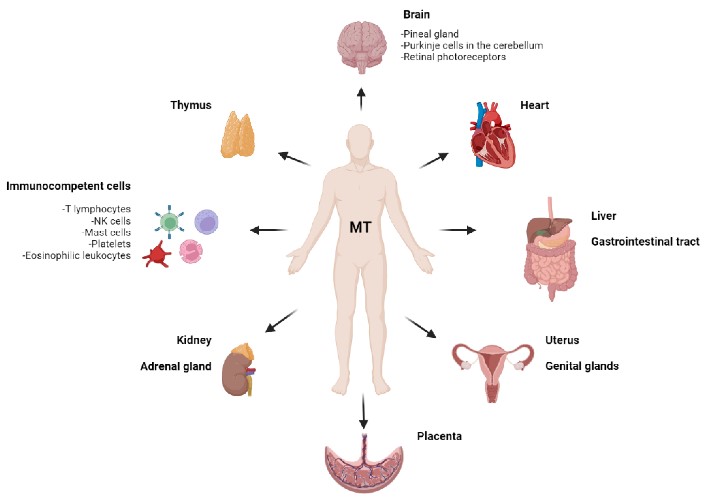
Fig 3. Melatonin localization in the human body. The figure illustrates melatonin have the most widespread localization in the human body, synthesized in various organs.[3]
Melatonin in Gastrointestinal and Liver Health
Emerging research points to melatonin's protective effects in the gastrointestinal tract. It may help:
- Reduce gastric acid secretion
- Protect the gastric mucosa
- Modulate gut motility
- Support liver health through antioxidant and anti-inflammatory pathways
These applications are still primarily preclinical, but they represent promising directions for future product development.
Melatonin in Cancer Research
Melatonin has been investigated as an adjunct in cancer therapy. It may enhance the efficacy of certain chemotherapeutic agents, reduce treatment-related side effects, and improve quality of life in cancer patients. However, melatonin is not a cancer treatment on its own, and clinical evidence remains mixed.
Melatonin in Dermatology and Cosmetic Applications
Topical melatonin is being explored for skin protection. Its antioxidant and anti-inflammatory properties may help protect against UV-induced damage, reduce oxidative stress in skin cells, and support skin barrier function. Some cosmetic formulations now include melatonin as an active ingredient.
Formulation Considerations for Melatonin Powder
For manufacturers and formulators, melatonin powder offers several advantages:
- High purity: Stanford Chemicals supplies 99% pure melatonin powder
- Versatility: Suitable for capsules, tablets, powders, gummies, and functional beverages
- Low dose efficacy: Effective at 0.5–5 mg for most applications
- Stability: Stable when stored properly, away from light and moisture
When formulating with melatonin, consider:
- Dose accuracy: Melatonin is potent; precise dosing is critical
- Release profile: Immediate-release vs. sustained-release for different applications
- Combination products: Melatonin is often combined with other sleep or antioxidant ingredients
- Regulatory status: Melatonin is regulated differently across markets; confirm compliance for your target region
Conclusion
Melatonin powder is far more than a sleep aid. Its applications span antioxidant protection, immune modulation, metabolic support, gastrointestinal health, and beyond. For supplement brands and researchers, this breadth creates opportunities for innovative products, but also demands careful attention to dosing, safety, and regulatory compliance.
Stanford Chemicals Company (SCC) supplies 99% pure melatonin powder alongside a wide range of food and nutraceutical raw materials, including Chondroitin Sulfate, Dihydromyricetin, Magnolol, and more. For inquiries, feel free to reach out.