
After age 40, bone density drops by 0.5% to 1% every year, and joint fluid decreases by about 5% annually. That makes maintaining bone health a pretty important topic. So we looked at data from the DSID database to break down the most common ingredients in bone density supplements on the market today.
1. Ingredient Distribution Across 5,608 Products
According to the Dietary Supplement Ingredient Database (DSID), there are currently 5,608 supplements on the U.S. market that make some kind of "bone density" claim. We analyzed 5,608 bone-density-related products currently on the market from the DSID database. Here's how often each major ingredient appears (data current as of May 19, 2026.):
|
Ingredient |
Number of Products |
Percentage |
|
Vitamin D |
3,445 |
61.4% |
|
Vitamin E |
3,184 |
56.8% |
|
Calcium (all forms) |
2,993 |
53.4% |
|
Collagen |
2,450 |
43.7% |
|
Vitamin C |
2,306 |
41.1% |
|
Chondroitin sulfate |
1,222 |
21.8% |
|
Calcium carbonate |
1,215 |
21.7% |
|
Vitamin K₂ |
1,057 |
18.9% |
|
Glucosamine |
993 |
17.7% |
|
Kudzu (Pueraria) |
100 |
1.8% |
|
Soy isoflavones |
73 |
1.3% |
Note: A single product can contain multiple ingredients, so the numbers add up to more than 5,608.
2. Breaking Down the Most Common Ingredients
1. Vitamin D Takes the Top Spot – Over 60% Coverage
Vitamin D shows up in 3,445 products—61.4% of the total. That makes it the most common ingredient in bone density supplements, which matches global consensus. Vitamin D is essential for calcium absorption in the gut and for maintaining bone mineralization. Without enough vitamin D, your calcium absorption drops, and even if you're getting plenty of calcium, it won't effectively end up in your bones. That's why nearly all bone health supplements include vitamin D as a foundational ingredient.
We've also covered vitamin D's benefits for bones in more detail here: Vitamin D: Hype or Hope?
2. Vitamin E Ranks Second – But Here's Why
Vitamin E appears in 3,184 products (56.8%), putting it in second place. That might be surprising since vitamin E is usually associated with antioxidants and heart health, not bones. Its high ranking in bone supplements likely comes from two things:
First, vitamin E helps protect bones indirectly by suppressing osteoclast activity and reducing oxidative stress damage to bone cells.
Second, many formulas add vitamin E as an antioxidant to protect other ingredients that oxidize easily, like unsaturated fatty acids or vitamin A.
3. Calcium Is a Core Ingredient – But the Form Matters
Calcium shows up in 2,993 products (53.4%) and is a foundation of bone density supplements. Of those, calcium carbonate alone appears in 1,215 products, which is about 40.6% of all calcium products. The rest use other forms like calcium citrate, calcium lactate, or calcium phosphate.
Calcium carbonate has two big advantages: it's about 40% calcium by weight and it's cheap. The downside is that it requires stomach acid for absorption. Calcium citrate doesn't need stomach acid, but it has lower calcium content (about 21%). For most formulators, calcium carbonate is still the go-to choice.
4. Collagen Is Growing Fast – Now in 43.7% of Products
Collagen appears in 2,450 products (43.7%), putting it in fourth place and highlighting a clear market trend. Collagen's main role in bone health is providing the organic matrix of bone—mostly Type I collagen—which gives calcium a three-dimensional framework to deposit onto.
If you want to understand the differences between collagen types, check out this article: The Difference Between Fish Collagen Peptides, Bovine Collagen Peptides, and Type II Collagen Peptides
In recent years, multiple studies have shown that hydrolyzed collagen peptides can promote osteoblast activity and inhibit bone resorption, leading to modest improvements in bone density. While the effect isn't as strong as calcium or vitamin D, collagen is increasingly being added to comprehensive formulas as a "bone structure support" ingredient.
5. Vitamin C Works Synergistically with Collagen
Vitamin C shows up in 2,306 products (41.1%). Its main job here is as a cofactor for prolyl hydroxylase, an enzyme involved in collagen synthesis. That's why vitamin C and collagen often appear together in the same product—you get the building material and the catalyst for making it. Vitamin C also has antioxidant properties, which help reduce oxidative damage to bone cells.
6. Glucosamine and Chondroitin Sulfate
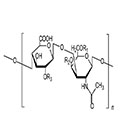
Calcium carbonate is often paired with glucosamine hydrochloride and chondroitin sulfate—sometimes called the "golden triangle." Modern research confirms that combining glucosamine and chondroitin with calcium has a synergistic effect on bone density. They promote Type II collagen synthesis in joint cartilage cells, reduce cartilage cell death, help maintain the balance of the cartilage extracellular matrix, and even improve calcium absorption and utilization.
7. Vitamin K2: The Underrated Powerhouse
Vitamin K2's main role in bone metabolism is activating osteocalcin, which directs calcium to deposit into bone. Out of the 5,608 products, vitamin K2 appears only 1,057 times—just 18.9%. That's far behind vitamin D (61.4%) and calcium (53.4%). But from a physiological and evidence-based perspective, vitamin K2 is one of the most promising ingredients in bone density supplements.
8. Soy Isoflavones and Kudzu: Small But Unique
Soy isoflavones and kudzu (Pueraria) are niche ingredients in bone density supplements, but they have unique mechanisms that nothing else really replicates—especially for postmenopausal women's bone health.
Soy isoflavones work as selective estrogen receptor modulators (SERMs) to inhibit bone resorption. And unlike actual estrogen, soy isoflavones have very weak effects on breast and uterine tissue, so they don't raise the risk of estrogen-dependent cancers.
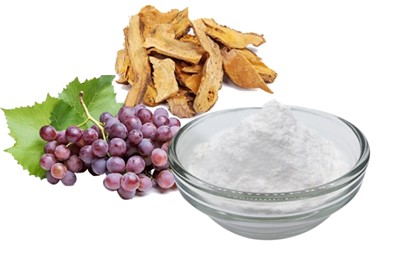
Kudzu works similarly to soy isoflavones but leans more toward osteoclast inhibition. Puerarin, an active compound in kudzu, may have a stronger inhibitory effect on osteoclast differentiation and activity than soy isoflavones. Some of its other active components also help increase intestinal calcium absorption.
Conclusion
Bone density supplements use a mix of ingredients, each playing a different role. Vitamin D and calcium are still the foundation of bone health. Vitamin K₂, collagen, and vitamin C are getting more attention for their synergistic effects. And ingredients like glucosamine, chondroitin, soy isoflavones, and kudzu play unique, irreplaceable roles for specific populations and use cases.
Stanford Chemicals Company has long been committed to providing high-purity, traceable core ingredients and scientific solutions for bone health, joint care, and other functional food applications.