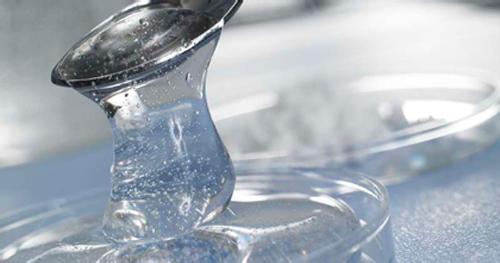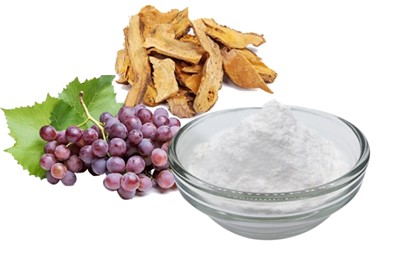

Hyaluronic acid is a water-soluble humectant that can hold a ton of moisture. It's used in skincare for just about every skin type that needs hydration. Because it's pretty gentle and chemically mild, HA plays nicely with most active ingredients without causing trouble. But on its own, it mostly adds surface-level moisture. Pair it with the right ingredients, though, and you get a real "1+1>2" effect. So what can you mix with hyaluronic acid?
Quick Preview
Top Recommended Pairings with Hyaluronic Acid
These ingredients work really well with HA—they either complement it or boost its effects. Definitely worth adding to your routine.
Ceramides
Ceramides are the main building blocks of the lipids between your skin cells. They repair your skin barrier and lock in moisture. HA pulls water in and hydrates; ceramides fix the barrier and seal everything up. Together, they handle both sides of the hydration equation—"add water" and "lock it in."
→ 070-000-264 Ceramide, CAS 100403-19-8
Squalane
Squalane is an oil-based moisturizer that plays great with skin. It forms a protective film on top of your skin to keep water from escaping. HA is water-based, so it needs an oily sealer to prevent evaporation. Put HA on damp skin, then top it with squalane or another occlusive moisturizer, and you'll seriously cut down on water loss while maximizing hydration.
Glycerin
Glycerin is even more common than HA as a humectant. When you pair it with HA, you boost the moisture level in your stratum corneum. Studies show that 0.05–2% sodium hyaluronate mixed with 2% glycerin significantly increases hydration in the outer skin layer. Just watch the concentrations—too much of one can work against the other. Also, a combo of HA, D-panthenol, and glycerin works great in repair-focused formulas.
Recombinant Type III Collagen
HA and recombinant type III collagen don't clash at all. HA gives you instant hydration, while collagen helps repair the barrier. This pair is especially good for post-procedure skin or sensitive skin.
- Type II Collagen Peptide Biovivid-CP
- Bovine Collagen Peptide Biovivid-CB
- Fish Collagen Peptide Biovivid-CF
Copper Peptides
Copper peptides are signal peptides that boost collagen production and tissue repair. Pair them with HA, and you get better hydration and repair. Just be careful: keep copper away from strong oxidizers like high-concentration vitamin C.
→ Copper Peptide GHK-Cu, CAS 49557-75-7
Compatible Pairings with Hyaluronic Acid
These ingredients are safe to use with HA, but they don't necessarily work together in a special "synergistic" way. They're fine to use at the same time, but you don't have to go out of your way to pair them.
Vitamin C
Vitamin C is an antioxidant that fights photoaging. HA keeps your skin hydrated. They do different things, so they work fine together. But pay attention to the order: vitamin C serums (especially L-ascorbic acid) work best at a low pH. Apply your vitamin C first, let it absorb, then put on your HA product. If you use HA first, it can raise your skin's pH and mess with vitamin C absorption. If you're using a vitamin C derivative (like ascorbyl glucoside), pH isn't as picky, so order matters less.
→ Ascorbic Acid Powder CAS No. 50-81-7
Niacinamide
Niacinamide helps your skin barrier, controls oil, and brightens. HA adds moisture. They work through different pathways and don't get in each other's way. They're totally safe together. A good rule of thumb: apply the thinner product first (usually HA), then niacinamide. Or just follow the texture of whatever you're using. Both are gentle and stable, so you can use them long-term.
→ Nicotinamide, Niacinamide, Vitamin B3, C6H6N6O, CAS 98-92-0
Peptides
Peptides boost collagen production, help with wrinkles, and smooth fine lines. HA creates a hydrated environment that helps peptides work better. They're safe to use together. A typical routine: peptide serum first, then HA moisturizer on top. One thing to watch out for: high-concentration acids (pH below 3.5) can break down some peptides, so don't use peptides in the same step as strong AHAs or salicylic acid.
Amino Acids
Amino acids are part of your skin's natural moisturizing factor (NMF). Like HA, they're water-based humectants. Together, they add moisture to the stratum corneum and improve your skin's hydration. You can already find products on the market that mix HA with multiple amino acids for everyday moisturizing.
Retinol
Retinol is a hardworking anti-aging ingredient, but when you first start using it, you often get dryness, peeling, and irritation. HA can act as a buffer—hydrate your skin first to create a damp environment, then apply your retinol. That helps cut down on irritation.
Stanford Chemicals Company offers not only high-purity sodium hyaluronate powder in a wide range of molecular weights, but also ceramides, vitamin C, niacinamide, collagen, copper peptides, and many other skincare ingredients.
See More: Skincare
Ingredients NOT Recommended to Use with Hyaluronic Acid in the Same Step
HA itself gets along with most ingredients just fine. But some high-concentration actives need special timing or order. Here's what you shouldn't use at the same time in the same routine.
High-Concentration Acids (AHAs/BHAs) with HA
AHAs (like glycolic acid) and BHAs (like salicylic acid) are great exfoliators. But if you use them in the same step as HA, you might over-exfoliate, leading to stinging, redness, and sensitivity.
That said, after you exfoliate with acids, your skin's barrier is temporarily thinner. Using HA afterward to hydrate and calm things down is actually fine. Just don't mix them together in one product or layer them back-to-back. Better to space them out (e.g., one in the morning, one at night) or lower the acid concentration to avoid overdoing it.
High-Concentration Alcohol
If alcohol is over 10% or so, it can mess with HA's effectiveness. It can also destabilize other ingredients like collagen and peptides. Products with high alcohol content don't play well with HA serums in the same routine.
Strong Acid / Strong Alkaline Environments
High-concentration acids (pH below 3) or strong bases like sodium hydroxide can break down HA's molecular structure and reduce its ability to hold moisture.
Metal Ions and Strong Oxidizers
Iron and copper ions can speed up the breakdown of HA. Strong oxidizers like hydrogen peroxide can destroy HA's sugar chains. So if you're using a mineral serum with metal ions, using it in the same step as HA might reduce the moisturizing effect.
Benzoyl Peroxide
Benzoyl peroxide is a common acne treatment. It can neutralize HA's hydrating effects and also cause dryness and irritation. Don't use them together in the same routine.
FAQs
Q1: Which goes first—HA serum or moisturizer?
Generally, follow the "thinnest to thickest" rule. HA serums are thin and water-based, so apply them after cleansing and toner but before your cream or lotion. Before putting on HA, keep your skin slightly damp—it helps HA grab onto more water.
Q2: Will HA make my skin drier if I live in a dry climate?
As a humectant, HA pulls water from its surroundings. In low-humidity environments, it can actually draw water from deeper layers of your skin and let it evaporate into the air, leaving your skin drier. The fix: after applying HA, seal it in with an oil-based moisturizer or squalane to stop that water loss.
Q3: Can I use HA every day?
Yes. HA is a substance naturally found in your skin. Topical HA is generally safe and fine for daily use.