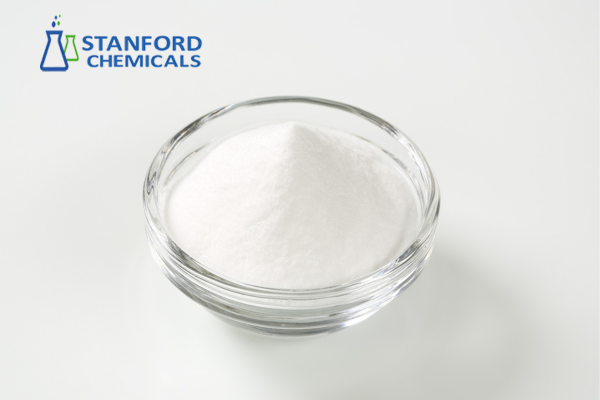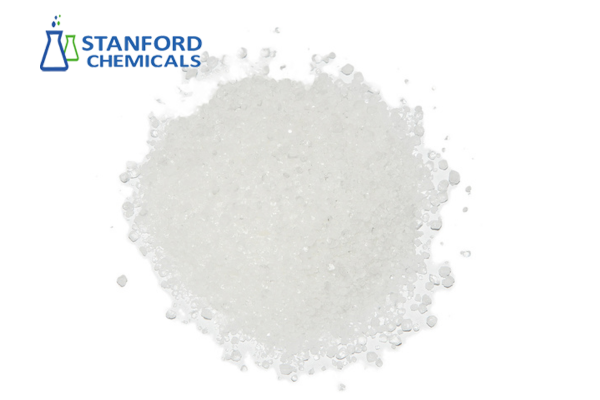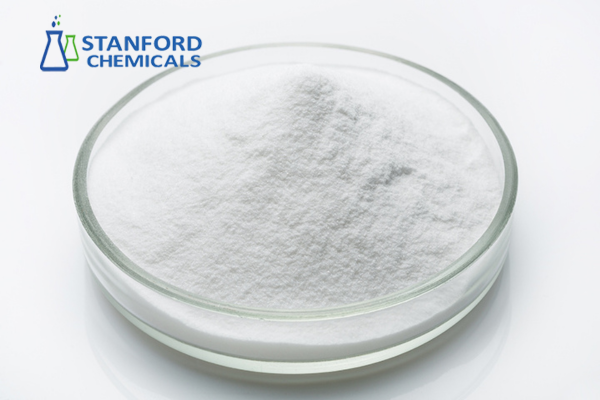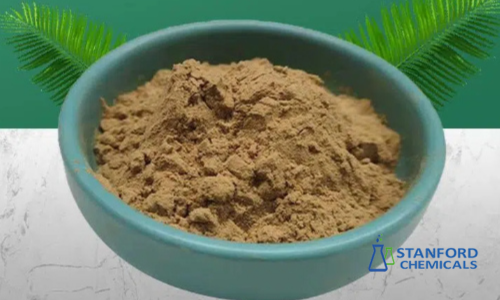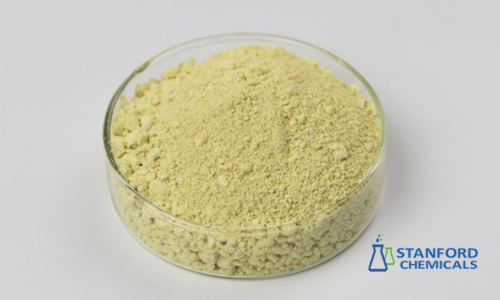













HA5230 Cross-linked Hyaluronic Acid​ Gel HA Powder

Category:
Get A Quote


  I would like to join the mailing list to receive updates from Stanford Chemicals.
*: e-mail address with your company's domain name is preferred. Otherwise, we may not be able to process your inquiry.

Product Name Cross-Linked Sodium Hyaluronate Gel
Product Types • Monophasic Cross-linked HA Gel
• Biphasic Cross-linked HA Gel
• Dermal Filler (Final Product)
Key Features • High Viscoelasticity & Strong Support
• Long-Lasting Effect
• Excellent Biocompatibility & Safety
• Vegan, Low Allergenic Potential
Description

Description

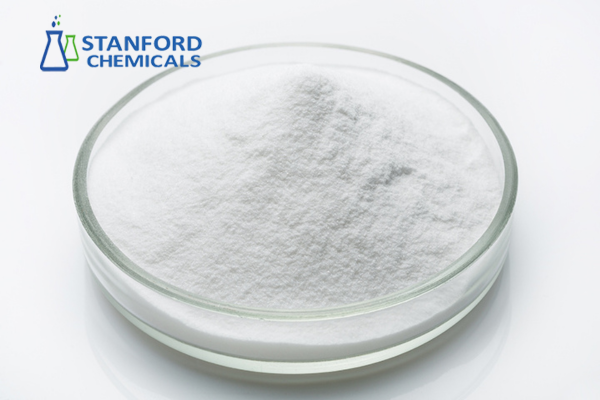
Cross-linked Hyaluronic Acid Gel HA Powder Description

Medically applied cross-linked sodium hyaluronate gel is a hyaluronic acid (HA) formulation modified through chemical cross-linking technology. It possesses high viscoelasticity, strong supportive properties, and long-lasting effects, making it widely used in areas such as medical aesthetics, orthopaedic treatments, and post-operative repair. Its core advantage lies in the enhanced stability achieved through cross-linking technology, which prolongs its metabolic duration within the body while maintaining the biocompatibility inherent to natural hyaluronic acid.

In recent years, composite cross-linked HA has become a research focus, for example, by incorporating amino acids, vitamins, or sustained-release drugs to enhance anti-inflammatory, antioxidant, or tissue regeneration functions. Furthermore, the application of injectable hydrogels in regenerative medicine (such as cartilage repair) is gradually progressing to the clinical stage.

Cross-linked Hyaluronic Acid Gel HA Powder Features

  1. Cross-linking Technology
    Hyaluronic acid is naturally a linear polysaccharide and is rapidly broken down by enzymes in the body. Using cross-linking agents (such as BDDE or DVS) to connect HA molecular chains into a three-dimensional network structure forms a gel-like substance. This extends its degradation time to 6-12 months, while simultaneously enhancing its mechanical properties, making it suitable for filler augmentation or supporting joint cavities.

  2. Biocompatibility
    Cross-linked hyaluronic acid retains the natural HA’s capacity for water retention and lubrication. It integrates well with human tissues, thereby reducing the risk of rejection. Compliant products must undergo rigorous biosafety testing to ensure the absence of cytotoxicity or sensitization.

  3. Safe, Vegan, Diverse Molecular Weights
    Our pure cross-linked hyaluronic acid gel represents a transformative innovation, positioned at the forefront of diverse applications spanning pharmaceuticals, veterinary care, orthopaedics, and aesthetic surgery. It is supplied exclusively in bulk form (MOQ: 10 kg), primarily intended for the production of dermal fillers.

Cross-linked Hyaluronic Acid Gel Manufacturing

Process Steps   Advantages
Microorganism cultivation – High yield compared to extraction from animal sources

– Consistent quality and purity

– Customizable molecular weights for various applications

– Reduced risk of contamination

– Environmentally friendly production

Fermentation under controlled conditions

(temperature, pH, oxygen levels)

Isolation and purification of HA from

the fermentation broth

Post-processing (drying, milling) for powder

Cross-linked Hyaluronic Acid Gel HA Powder Specifications

1. Monophasic Cross-linked HA

  • Material: Monophasic cross-linked HA gel with Lidocaine (Concentration: 20 mg/ml).
  • 1 ml syringe packaging.
  • CE Certificate: Pending approval.

2. Biphasic Cross-linked HA

  • Material: Biphasic cross-linked gel (Concentration: 20 mg/ml).
  • 1 ml syringe packaging.
  • EU CE Certificate; CFDA approved.

3. Dermal Fillers

We also supply the final product in syringe form, with a volume of 1 ml (20 mg: 1 ml). The MOQ is 200 pieces. Currently, the syringe form is available only for European and Asian countries.

Cross-linked Hyaluronic Acid Gel HA Powder Applications

1. Medical Aesthetic Fillers

  • Augmentation and Contouring: Used to improve facial depressions (such as nasolabial folds, temples), for rhinoplasty, or lip enhancement. Injected into the deep dermis or subcutaneous layer, it provides immediate contour improvement.
  • Skin Hydration: Cross-linked HA can lock in moisture and improve skin dryness. It is important to distinguish this from non-cross-linked “hydrating injection” products, which focus on superficial hydration.

2. Orthopaedic Treatment

  • Intra-articular Injection: Used for degenerative joint diseases like knee osteoarthritis. By increasing the viscoelasticity of the synovial fluid, it helps alleviate pain and improve mobility.
  • Post-operative Anti-adhesion: Applied to tissue surfaces during orthopaedic or gynaecological surgeries to reduce the risk of post-operative scar adhesions.

3. Wound Repair: Cross-linked HA gel can create a moist environment, promoting epithelial regeneration in chronic ulcers (e.g., diabetic foot) or burn wounds, thereby shortening healing time.

4. Equine Application: Commonly used in veterinary fields, particularly for managing joint issues or injuries in horses, providing lubrication and support.

Safety and Precautions

Adverse Reactions: Common local reactions include redness, swelling, and bruising, often related to the injection technique, typically subsiding within 1-2 weeks. In very rare cases, allergic reactions or granulomas may occur due to residual cross-linking agents; therefore, it is essential to choose qualified medical institutions and compliant products.

Contraindications

  • Presence of infection or inflammation in the injection area.
  • Individuals allergic to hyaluronic acid or cross-linking agents.
  • Coagulation disorders, or during pregnancy and lactation (caution advised for some uses).

Duration of Effect: Depending on the degree of cross-linking, injection site, and individual metabolic differences, the effects typically last 6-12 months. Periodic touch-up injections are required to maintain results.

Comparison with Other Materials

1. Non-cross-linked Hyaluronic Acid
Primarily used for superficial hydration or joint lubrication. It is metabolized quickly (1-2 weeks) and cannot be used for filling or volumizing.

2. Synthetic Fillers (e.g., Silicone, Poly-L-lactic Acid)
Synthetic materials offer longer-lasting results but carry a higher risk of complications and a greater tendency to feel like a foreign substance. Cross-linked HA is biodegradable, offering a higher safety profile.