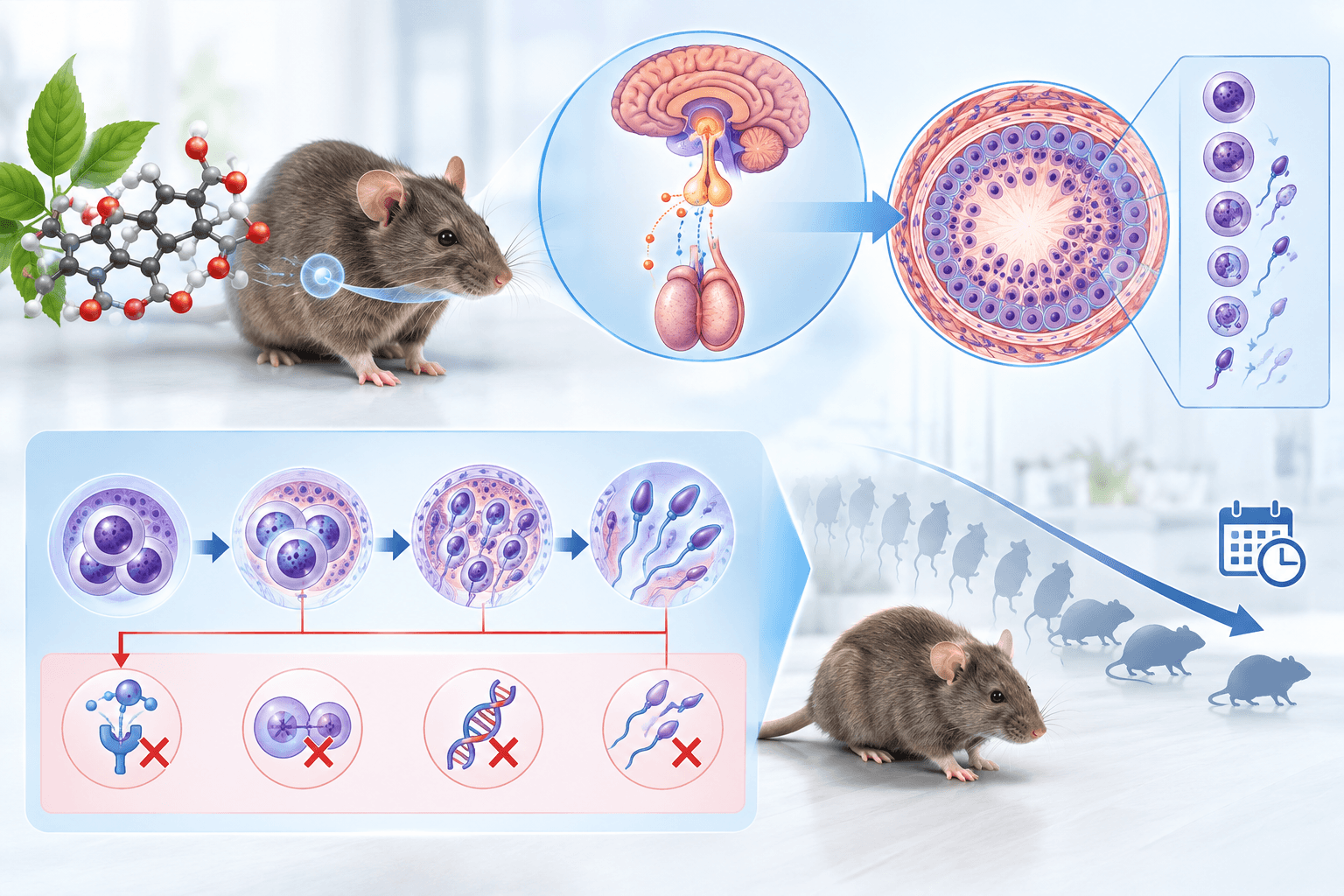
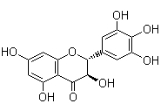
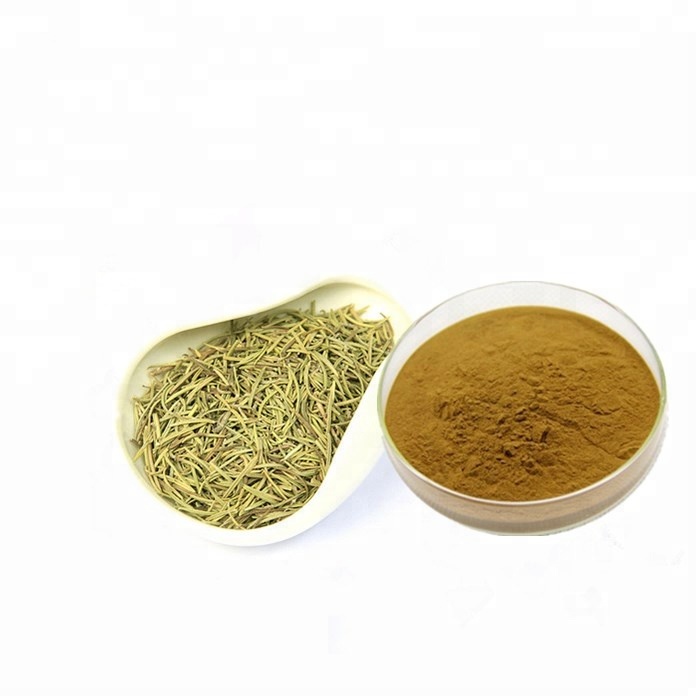

Dihydromyricetin (DHM) is a compound found in vine tea. Over the past few years, scientists have been digging into what it does in the body—particularly around inflammation, oxidative stress, and liver function. A handful of studies have also looked at its impact on blood sugar and fat metabolism. The findings are intriguing, but none of them prove DHM actually treats any of these conditions.
DHM Fights Inflammation
Inflammation is how the body responds to infection, injury, and other irritants. A little of it is usually a good thing—it helps you heal. But when inflammation lingers, it starts damaging healthy tissue.
Studies show DHM has some anti-inflammatory chops. In cell and animal experiments, it can influence inflammation-related signaling pathways such as NF-κB and dial the expression of inflammatory mediators like TNF-α and IL-6 up or down.
There's more: DHM's antioxidant activity may lend a hand here too. Oxidative stress and inflammation go hand in hand, so cutting down the buildup of excess reactive oxygen species can take some of the edge off inflammation-related responses.
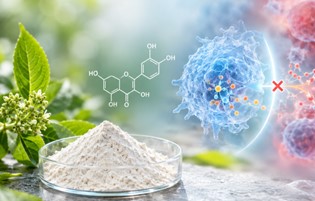
DHM Shows Promise Against Aging
Aging is a tangled biological process—it involves oxidative stress, cell damage, shifts in mitochondrial function, and a whole mix of metabolic changes.
DHM gets attention largely because of its antioxidant activity. Your body makes reactive oxygen species during normal metabolism and usually keeps them in check with its own antioxidant system. But when too much piles up—or your ability to clear it slips—oxidative stress kicks in and starts damaging proteins, lipids, and DNA inside cells.
Researchers have also looked at how DHM affects aging cells. In one study, it helped shield aging fibroblasts from further DNA damage and toned down the senescence-associated secretory phenotype (SASP). That suggests DHM may shape how aging cells behave. The study authors pitched it as a natural anti-aging candidate worth exploring further in age-related conditions, cancer and Alzheimer's included.
DHM Has Antibacterial Properties
Antibacterial activity is another front where DHM has caught researchers' eyes.
Some studies found that DHM can halt the growth of certain bacteria. Under specific lab conditions, it may throw a wrench into normal bacterial activity—disrupting cell membrane integrity, upsetting redox balance, or meddling with other cellular processes.
That said, its antibacterial effects hinge heavily on the bacterial species, the DHM concentration, and the experimental setup. Stopping bacteria in a petri dish is one thing; getting the same result in the human body after swallowing a pill is another.
So for now, it's wiser to treat DHM as a natural compound with potential antibacterial activity—not a proven antibacterial drug. Whether it can genuinely work in antibacterial products, functional materials, or other applications still needs evaluation, based on safety, effective concentration, and real-world conditions.
DHM May Protect the Liver
Liver protection is one of the areas researchers have studied most thoroughly.
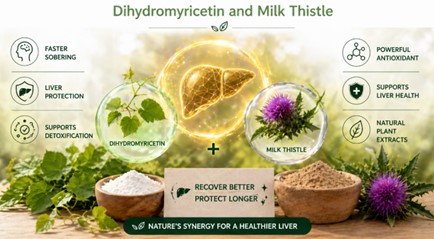
DHM may ease liver damage through several routes. It can affect the antioxidant defense system, regulate inflammation-related signals, and get involved in lipid metabolism. In some experimental liver injury and fatty liver models, DHM supplementation was tied to less lipid buildup in the liver and better readings on some liver function markers.
That's exactly why DHM keeps popping up in hangover products—the pitch is that it eases the oxidative stress or liver damage from drinking. But here's the catch: protecting the liver doesn't mean DHM can wipe out alcohol's harm entirely.
DHM May Help Regulate Blood Sugar and Blood Lipids
Blood sugar and blood lipids are tightly linked to energy metabolism. When either stays out of whack for long, the risk of various chronic diseases climbs. No wonder natural compounds that can sway glucose and lipid metabolism have long held researchers' attention. DHM has shown some promise here.
In cell and animal studies, DHM can influence energy-metabolism signaling pathways like AMPK. It may also play a part in glucose utilization, fat metabolism, and insulin-related processes. Some animal studies saw subjects improve their blood sugar, blood lipid levels, or liver lipid accumulation after DHM supplementation.
DHM Has a Role in Topical Skincare Research
Beyond swallowing it, DHM has also turned heads in skincare research.
Skin hit long-term by UV light and pollution can churn out excess reactive oxygen species, which then take a toll on the skin barrier, collagen, and other extracellular matrix components. Over time, that shows up as sagging skin, more fine lines, and uneven tone.
DHM brings antioxidant and anti-inflammatory activity to the table, so researchers are exploring what it can do in topical skincare. In theory, it could help relieve oxidative stress and influence biological processes tied to skin inflammation and photoaging. In practice, plenty of skincare products already list DHM as an ingredient.
Several Approaches Can Boost DHM's Bioavailability
Bioavailability is the big roadblock for DHM. The compound dissolves poorly in water, isn't very chemically stable, and gets metabolized too fast in the body. Translation: even if you swallow a decent dose, the amount that actually gets absorbed and used may be pretty slim.
To work around this, researchers are trying several technical routes:
(1) Nano-delivery systems
Packing DHM into suitable nanocarriers can improve its dispersion, stability, and absorption. How well it works depends on the carrier material, particle size, encapsulation efficiency, and release properties.
(2) Phospholipid complexes
This technique leans on the interaction between DHM and phospholipids to improve its dispersion or solubility in a lipid environment. It could boost absorption, but the real payoff still needs confirmation from pharmacokinetic studies.
(3) Cyclodextrin inclusion complexes
Cyclodextrins have a distinctive ring-shaped structure with a relatively hydrophobic cavity inside. When a compound slips into that cavity, its solubility or stability often gets better. Researchers are now testing cyclodextrin inclusion for DHM formulations.
(4) Self-emulsifying and micellar delivery systems
Emulsion systems can form fine oil-water dispersions under certain conditions, while micelles help poorly soluble substances disperse in water. These technologies can improve DHM's dissolution and delivery, though results differ from one formulation to the next.
(5) Co-crystals and chemical structure modification
Co-crystal design or well-chosen chemical modification can improve DHM's physicochemical properties. But these methods come with strings attached—researchers must simultaneously check stability, absorption, safety, and metabolic changes in the body. Better solubility doesn't automatically translate into better bioavailability.
The Bottom Line
Dihydromyricetin is a natural flavonoid with a range of biological activities. Research so far points to potential in anti-inflammation, antioxidant action, antibacterial effects, liver protection, and metabolic regulation—and it's being studied for topical skincare too.
Stanford Chemicals Company (SCC) sells high-quality Dihydromyricetin (DHM), rigorously tested for purity and effectiveness.