
First and foremost, it must be clear that no herbal extract can replace the fundamental effects of a healthy diet and regular exercise. Their mechanisms of action are typically mild, indirect, and vary significantly among individuals.
Herbal Extracts with Relatively More Evidence
These herbal extracts have a relatively larger body of clinical research data. 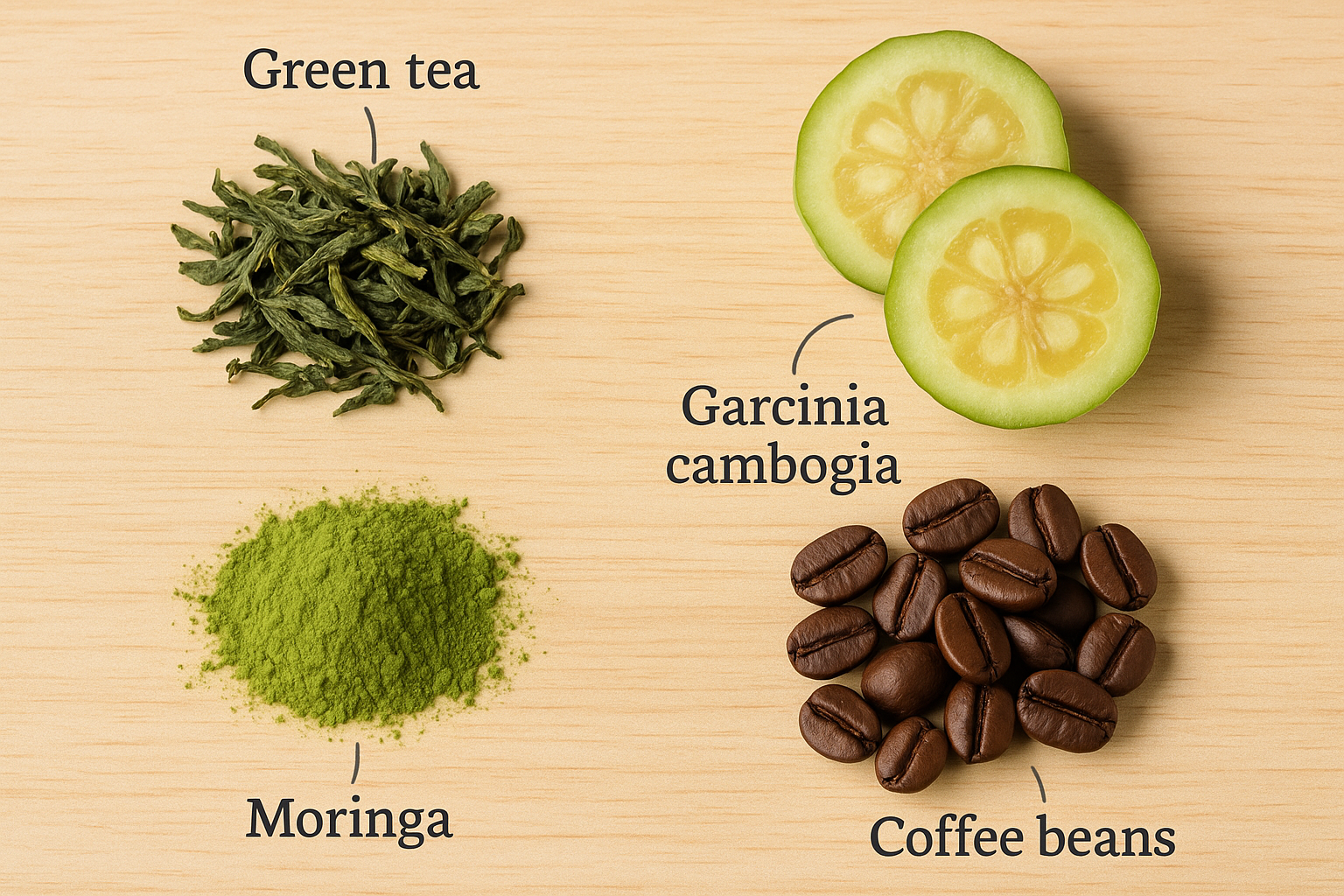
1. Green Tea Extract
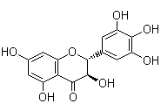
Green tea extract is one of the most scientifically substantiated. Its key active component is catechins, particularly epigallocatechin gallate (EGCG). EGCG works by inhibiting the enzyme that breaks down norepinephrine in the body, thereby prolonging the action of this metabolism-boosting neurotransmitter. This leads to a mild increase in the body's thermogenesis and resting energy expenditure, while prioritizing the mobilization of fat as an energy source. A pooled analysis of multiple randomized controlled trials indicates that consistent intake of green tea extract over weeks to months can help subjects achieve a small but statistically significant reduction in body weight and fat mass. The average effect is approximately an additional loss of 1-2 kg.
2. Garcinia Cambogia Extract
The main active substance in Garcinia cambogia extract is hydroxycitric acid (HCA). Its theoretical mechanism is very clear: it inhibits "ATP-citrate lyase," a key enzyme in the process of converting carbohydrates into body fat. In theory, this could force the body to reduce fat storage and potentially increase liver glycogen synthesis, thereby sending satiety signals to the brain. However, several clinical studies conducted later have been unable to demonstrate a consistent, important reduction in weight compared to previous studies. Although its theory sounds very logical, the intricateness of human metabolism has made the real efficiency of HCA for weight loss extremely controversial. The scientific community currently holds a cautious, even skeptical view of its effectiveness. Common side effects include headache, nausea, and gastrointestinal discomfort.
3. Green Coffee Bean Extract
The star component of green coffee bean extract is chlorogenic acid. Its action has a focus not directly on burning fat, but possibly on the regulation of glucose metabolism. Chlorogenic acid is believed to inhibit glucose absorption in the intestines and affect glucose release in the liver, helping to smooth out blood sugar spikes after meals. Stable blood sugar levels reduce the sharp secretion of insulin, a primary hormone responsible for fat storage. Thus, such indirect metabolic regulation might have an auxiliary effect on weight management. It is important to note that most products of green coffee bean contain caffeine, and their effects result from the combined chlorogenic acid and caffeine.
4. Moringa
The rationale behind the use of Moringa to facilitate weight management is more nutritional in nature, involving the strengthening of general health. Moringa leaf powder contains protein, dietary fiber, vitamins A and C, minerals such as calcium and potassium, and antioxidants in rich amounts. Its action is not in powerful fat burning but rather providing long-lasting satiety, with its high fiber and high protein content, thereby reducing snacking. Simultaneously, its rich nutrient profile helps ensure the body has sufficient "fuel" for metabolic functions during calorie control, avoiding metabolic slowdowns that may come from malnutrition. Additionally, the anti-inflammatory properties may help alleviate chronic inflammation associated with obesity.
Herbal Extracts That Work by Suppressing Appetite or Increasing Fullness
The principle of action for this category of extracts is more direct and physical, primarily affecting digestive tract functions to generate satiety signals, thereby naturally reducing caloric intake.
1. Psyllium Husk
The mode of action for this class of extracts is more direct and physical, acting principally on digestive tract functions to produce satiety signals and hence, naturally decreasing caloric intake. It can absorb many times its weight in water when mixed with water, expanding to form a viscous, gel-like substance. This gel occupies space in the stomach, physically stretching the stomach walls and sending a strong "full" signal to the brain's satiety center. It also significantly delays gastric emptying, prolonging the feeling of fullness. In fact, several studies confirm that an adequate amount of psyllium husk intake with plentiful water before a meal can effectively reduce voluntary food intake at the next meal. Besides appetite control, it also helps regulate bowel movements, improves constipation, and aids in stabilizing blood sugar and lowering cholesterol levels. The golden rule for its safe use is: it must be taken with at least 300 ml of water, and adequate fluids must be consumed throughout the day; otherwise, it may cause intestinal obstruction.
2. Guar Gum
Guar gum works on a similar principle to psyllium husk, also being a potent soluble viscous fiber. The molecular weight of intact guar gum is too large, making it prone to cause bloating and obstruction. Therefore, for use in dietary supplements, it undergoes a specific enzymatic hydrolysis process to become "partially hydrolyzed," making it more soluble and safer while retaining its thickening properties. It forms a viscous solution in the intestines, delaying gastric emptying and the absorption rate of nutrients, thereby extending satiety. Some studies suggest that consuming partially hydrolyzed guar gum before meals can increase satiety and reduce subsequent food intake. Its effectiveness might be slightly less than that of psyllium husk, but its tolerability might be better for some individuals. Similarly, adequate water intake is a prerequisite for its safe and effective use.
Table 1. List of herbal extracts that aid in weight loss
| Herbal Extract | Key Component | Core Mechanism | Efficacy & Notes |
| Green Tea Extract | EGCG (Catechin) | Mildly boosts metabolism, promotes fat mobilization. | Relatively strong evidence; mild effect; requires consistent use. |
| Garcinia Cambogia Extract | Hydroxycitric Acid | Theoretically inhibits fat synthesis. | Highly debated efficacy; potential side effects like headache and nausea. |
| Green Coffee Bean Extract | Chlorogenic Acid | Regulates blood sugar, indirectly affects fat storage. | Effects are a combined result; supportive role. |
| Moringa | Protein, Fiber, Nutrients | Nutritional support, increases satiety. | Not a direct fat burner; aids dietary management. |
| Psyllium Husk | Soluble Fiber | Expands with water, physically increases fullness. | Well-established effect; must be taken with plenty of water to prevent obstruction. |
| Guar Gum | Hydrolyzed Viscous Fiber | Delays gastric emptying, prolongs satiety. | Requires adequate hydration; possibly better tolerated by some. |
A Final Note
When choosing herbal extracts, priority should be given to categories with relatively mild mechanisms of action and a better safety record, such as green tea extract or psyllium husk. It is essential to recognize that the fundamental path to weight management cannot be bypassed by any supplement. That path involves establishing and consistently maintaining a balanced nutritional diet pattern, increasing daily physical activity, ensuring quality sleep, and managing stress levels.