
Why Should We Care about Antioxidants?
Our bodies fight a "silent war" every day. External factors like air pollution, UV radiation, unhealthy eating habits, as well as the body's normal internal metabolism, produce unstable molecules called free radicals. Free radicals are like "rust" inside the body—they attack healthy cells, damaging proteins, DNA, and cell membranes in a process known as oxidative stress.
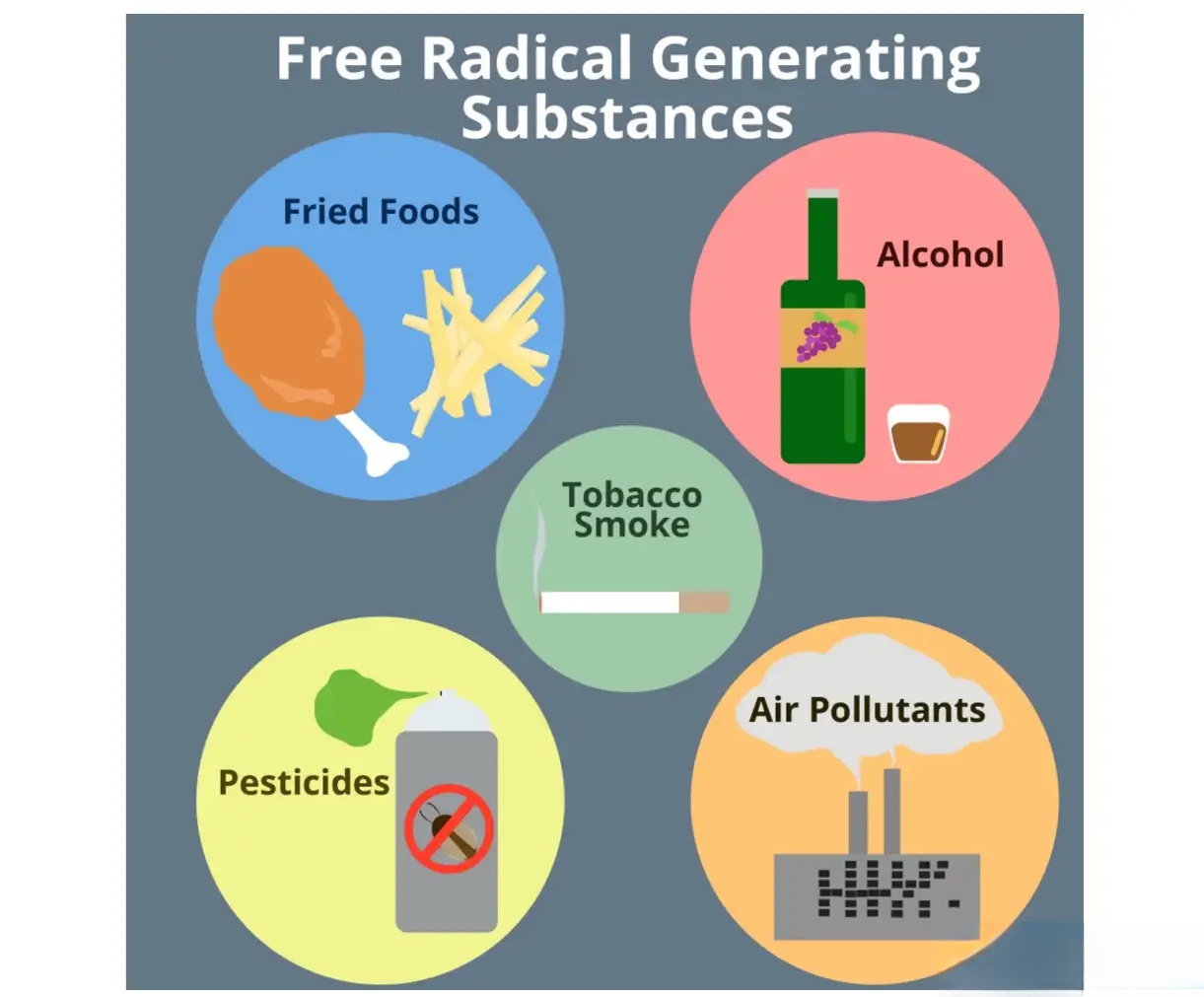
Fig 1. Free radical generating substances
Why should we care about antioxidants?
Because long-term excessive oxidative stress is a key factor that accelerates aging, triggers chronic inflammation, and increases the risk of various chronic diseases, such as cardiovascular disease, certain cancers, and neurodegenerative disorders. Therefore, we need to supply our bodies with adequate antioxidants. The best source of antioxidants is the food gifted to us by nature.
Which Foods are High in Antioxidants?
Nature is the best pharmacy, as many foods are naturally rich in powerful antioxidants.
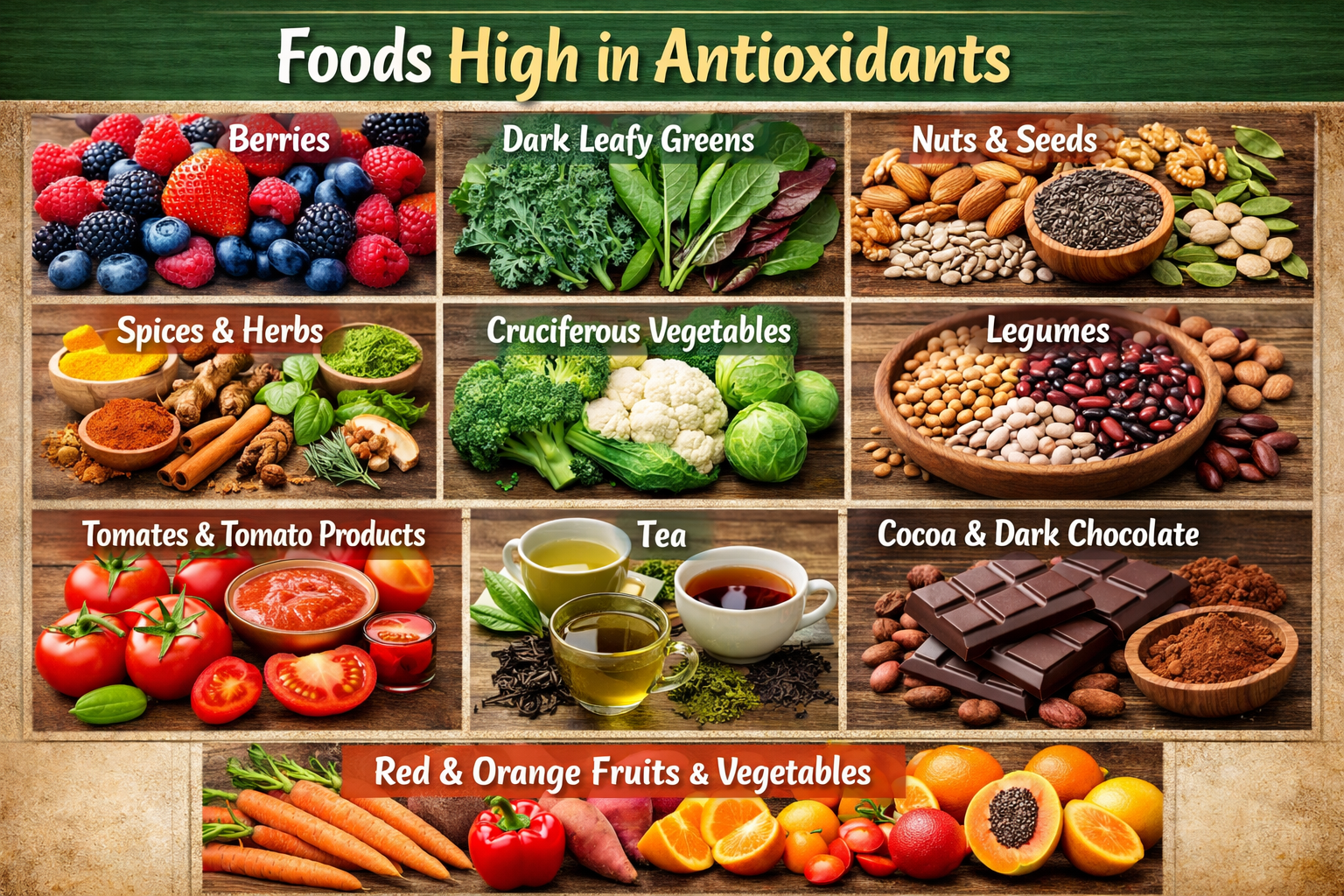
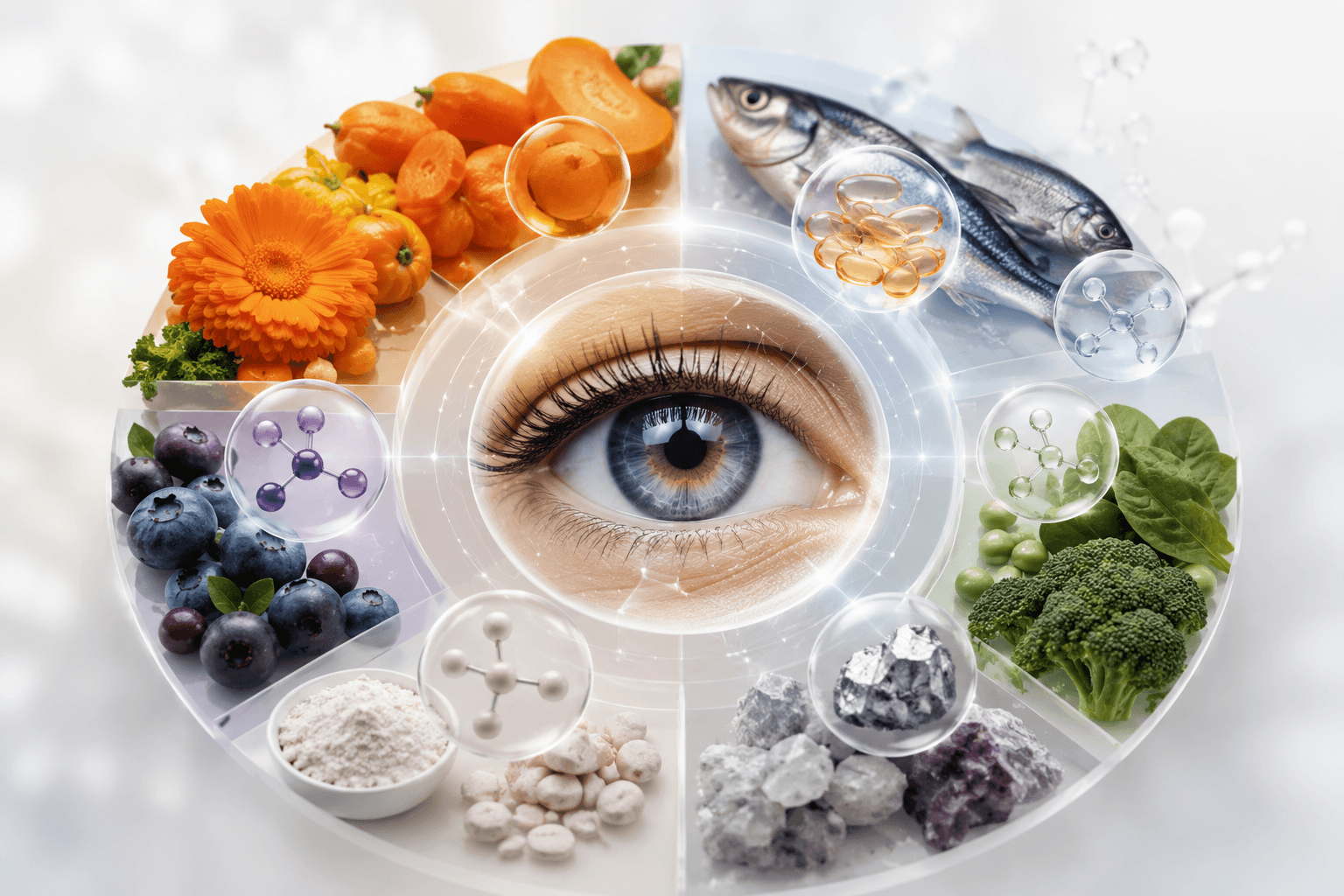
Fig 2. Foods high in antioxidants
1. Berries
Blueberries, blackberries, cranberries, strawberries, raspberries. The deep colors of these berries come from their rich anthocyanin content. Anthocyanins have a strong free radical-scavenging ability.[1] They can pass the blood-brain barrier. This is a major advantage in terms of benefiting the brain and the eyes.
2. Dark Leafy Greens
Kale, spinach, Swiss chard, arugula. The main antioxidant ingredients found in green veggies are lutein, zeaxanthin, vitamin C, vitamin E, quercetin, and kaempferol. Lutein and zeaxanthin, in high concentrations in these veggies, tend to accumulate in the macula of the eye, protecting it from blue light damage. On the other hand, vitamins C and E work as antioxidants, both water-soluble and fat-soluble.
3. Nuts and Seeds
Walnuts, pecans, almonds, sunflower seeds, flaxseeds. They are rich in vitamin E (alpha-tocopherol), selenium, polyphenols, and lignans (flaxseeds). Vitamin E is the main fat-soluble antioxidant for cell membranes, specifically protecting fat structures from oxidation. Walnuts also contain unique plant-based Omega-3 (ALA), which offers synergistic anti-inflammatory benefits.
4. Spices and Herbs
Cloves, turmeric, cinnamon, oregano, rosemary. By weight, many spices have an Oxygen Radical Absorbance Capacity (ORAC) value dozens or even hundreds of times higher than common fruits and vegetables. Curcumin in turmeric not only has strong antioxidant properties itself but can also activate the body's own antioxidant enzyme system. Notably, consuming curcumin with piperine from black pepper can increase absorption by about 20 times.
5. Cruciferous Vegetables
Broccoli, Cauliflower, Cabbage, Brussels Sprouts The major antioxidant compounds in such vegetables include sulforaphane, glucosinolates, vitamin C, and quercetin. When these vegetables are sliced or digested, an enzyme called myrosinase catalyzes an additional conversion of glucosinolates into a form of sulforaphane. The sulforaphane activates an Nrf2 response in human cells, leading to gene expression.
6. Legumes
Black beans, Kidney beans, Chick peas, Lentils. The antioxidants present in the skins of legumes are strong free radical scavengers, whereas the isoflavones present inside the legumes are phyto-estrogens.
7. Tomatoes and Tomato Products
The antioxidant value of tomatoes changes with processing methods.[2] The core compound lycopene exists mainly in the trans form in raw tomatoes, resulting in low bioavailability. However, when heated and processed with fats, it converts to the cis form, increasing bioavailability several times over.
8. Tea
Green tea, white tea, oolong tea. Unfermented teas like green tea and white tea retain the highest levels of catechins, with EGCG (epigallocatechin gallate) being the most notable active compound. EGCG is the most potent polyphenol in green tea, with antioxidant power far exceeding that of vitamins C and E. Studies show it can inhibit oxidative damage and promote cellular health through multiple pathways.
9. Cocoa and Dark Chocolate
Dark chocolate with over 70% cocoa is an excellent source of flavanols. These compounds not only neutralize free radicals but also help improve vascular function.
10. Red and Orange Fruits & Vegetables
Sweet potatoes, carrots, pumpkins, red bell peppers, mangoes. Brightly colored produce is rich in beta-carotene. This compound is a precursor to vitamin A, supporting eye and skin health, while also serving as an effective antioxidant itself. Beta-carotene is particularly adept at functioning in low-oxygen environments, such as the skin’s surface and lung lining, filling gaps left by other antioxidants.
SCC Offers High-Purity Antioxidant Extracts
SCC, as a professional supplier of natural ingredients, leverages advanced extraction, separation, and purification technologies to transform the natural treasures mentioned above into high-purity, high-bioavailability antioxidant extract solutions. Our products include:
- Anthocyanin Extract
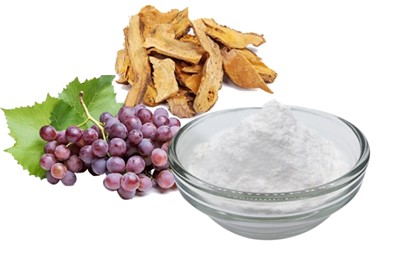
- Resveratrol
- Omega-3
- Green Tea Catechins (EGCG)
- Curcumin
- Broccoli Seed Extract
- Sulforaphane
- Beta-Carotene
- Rosmarinic Acid
- Vitamin C, Vitamin E
- Lutein
- Zeaxanthin